Quick Facts
- The Efficiency Gap: While approximately 86% of American adults take vitamins, only 21% have a clinically confirmed deficiency.
- Top 3 Worth It: Priority should be given to Vitamin D, Magnesium glycinate, and Omega-3 fatty acids due to common dietary gaps.
- The Expensive Urine Rule: Taking water-soluble vitamins like B-complex or C far beyond the Upper Limit is often a waste as the body simply excretes the excess.
- Quality Check: Look for Third-party certification marks such as USP or NSF to ensure purity and label accuracy.
- Synergy Secret: Taking Vitamin C alongside non-heme iron can triple the absorption rate, maximizing the value of your intake.
- 2026 Value Trend: Stick packs and high-bioavailability liquid forms are becoming the preferred choice for consistent daily health routines.
Essential supplements include those that address common nutritional gaps, such as Vitamin D, Magnesium glycinate, and Omega-3 fatty acids. For women in 2026, key nutrients like iron, calcium, and folic acid are prioritized for energy and bone health. Always evaluate supplements based on clinical efficacy and Recommended Daily Allowances to avoid unnecessary spending on low-bioavailability products.

The $30 Billion Gap: Do You Actually Need Supplements?
Walk into any health store today, and you are met with a dizzying wall of promises. Better sleep, thicker hair, and instant immunity are sold in brightly colored bottles. However, the data reveals a stark disconnect between what we buy and what we need. In 2023, global consumer spending on dietary supplements reached an estimated $164.43 billion, with the U.S. market alone accounting for over $30 billion. We are spending more than ever, yet our collective health outcomes are not necessarily following the same upward trajectory.
As an editor focusing on micronutrient science, my philosophy always begins with Nutrient density from whole foods. Supplements should be exactly what the name implies: a supplement to an already sound diet, not a replacement for it. The reality is that many products on the market fall prey to wellness industry marketing, convincing healthy individuals that they need massive doses of vitamins they already get from their meals.
Before opening your wallet, consider a checklist for determining if you need supplements. Are you a smoker? You likely need 35mg more Vitamin C than the average person to combat oxidative stress. Are you a vegan? Vitamin B12 is non-negotiable. Are you over 50? Your ability to absorb certain minerals decreases. Without these specific lifestyle or life-stage indicators, many vitamins become supplements that are a waste of money 2026. Furthermore, dietary supplements are linked to approximately 50,000 adverse reactions in the U.S. annually, often due to unregulated ingredients or poor interactions with prescriptions.
| Supplement Category | Take It (High Value) | Toss It (Marketing Hype) |
|---|---|---|
| Foundational | Vitamin D3, Omega-3s | Mass-market Multivitamins with low bioavailability |
| Minerals | Magnesium glycinate | High-dose Calcium without Vitamin K2 |
| Targeted | Iron bisglycinate (if deficient) | Biotin (unless clinically deficient) |
| Trends | Clinical-grade Probiotics | "Detox" or "Cleanse" tea blends |
The Worth It List: Essential Supplements for 2026
When we talk about most essential supplements for daily health, we look for high clinical efficacy and widespread deficiency. In the 2026 landscape, the focus has shifted away from "more is better" toward "better absorption is better."
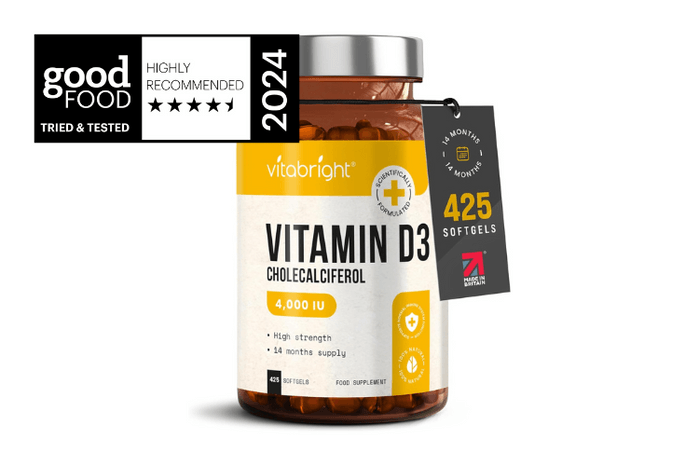
Vitamin D remains the undisputed champion of the worth it list. Modern indoor lifestyles mean that even in sunny climates, many people fail to reach the Recommended Daily Allowance. It is vital for bone density and immune modulation. However, the form matters; Vitamin D3 is significantly more effective at raising blood levels than D2.
Magnesium is another critical mineral, but you must look at the carrier molecule. Magnesium glycinate is the gold standard for those seeking better sleep and stress management because it is bound to the amino acid glycine, which enhances absorption and reduces the laxative effect common in cheaper forms like magnesium oxide. Omega-3 fatty acids, specifically EPA and DHA sourced from high-quality fish or algal oil, provide essential anti-inflammatory support that is difficult to get from a standard Western diet.
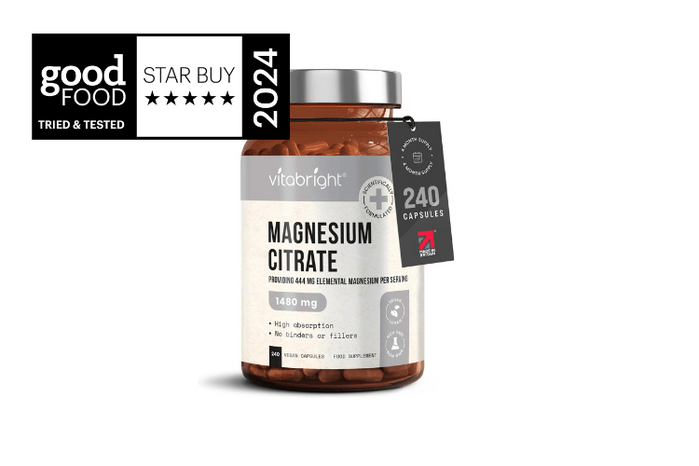
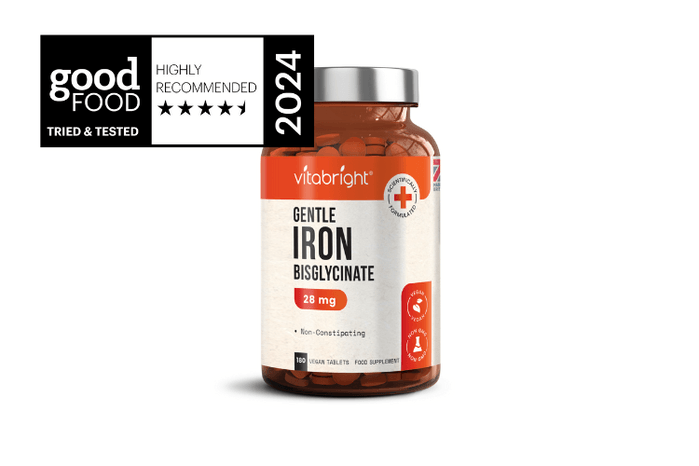
For those looking into essential vitamins for women's health 2026, the narrative has moved toward life-stage precision. Iron is a major focus, but the industry is moving away from harsh salts toward iron bisglycinate. This form is much gentler on the stomach and provides higher bioavailability, making it one of the most cost-effective health supplements for women of childbearing age who struggle with fatigue.

The Waste of Money List: Common Marketing Traps
Not everything in the vitamin aisle deserves a spot in your cabinet. One of the biggest traps in wellness industry marketing is the mega-dose gummy. While they taste great, these products often contain high amounts of sugar and fillers, and the heat used in manufacturing can degrade the active vitamins.
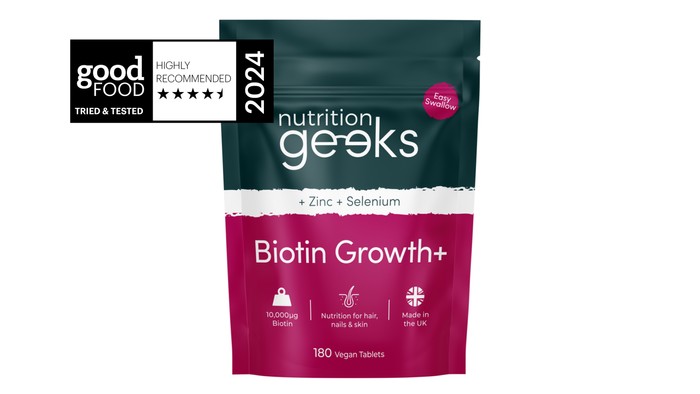
Biotin is a prime example of a supplement that is often unnecessary. Unless you have a specific genetic condition or a rare deficiency, the Biotin you get from eggs, nuts, and seeds is more than enough for hair and nail health. Taking extra won't magically give you a mane if your levels are already normal.
We also see many products labeled as "proprietary blends." This is often a red flag. When a label doesn't disclose the exact dosage of each ingredient, it’s usually because the most expensive, effective ingredients are present in only trace amounts. Furthermore, water-soluble vitamins like Vitamin C are frequently sold in 1000mg or 2000mg doses. Since the body can only absorb about 200mg to 400mg at a time, anything above that reaches the Upper Limit and is simply flushed out of your system. This is the definition of expensive urine.
Quality Control: How to Find Evidence-Based Supplements
To ensure you are buying cost-effective health supplements, you must look past the front of the bottle and scrutinize the Supplement Facts panel. The supplement industry is not regulated by the FDA in the same way as pharmaceuticals, meaning the burden of quality control often falls on the consumer.
Here is your checklist for how to find evidence based supplement guides and high-quality products:
- Look for Third-party certification: Marks from USP (U.S. Pharmacopeia), NSF International, or Informed Choice mean the product has been tested to contain what it says on the label without harmful contaminants.
- Check the Bioavailability: Avoid oxides and carbonates in favor of citrates, malates, or glycinates.
- Transparency: Ensure the label lists all fillers and "other ingredients." Avoid products with excessive artificial colors or hydrogenated oils.
- Storage and Distribution: High-quality Omega-3s and probiotics should ideally be shipped in climate-controlled environments (68°F to 77°F) to prevent oxidation or the death of live cultures.
When following an evidence-based supplement guide, the goal is purity and potency. If a brand cannot provide a Certificate of Analysis (CoA) upon request, it is better to leave it on the shelf. Spending a few extra dollars on a certified product is more cost-effective than spending any amount on a product that doesn't contain the active ingredients promised.
Optimization: Best Timing and Dosage for Results
Even the best necessary vitamins for daily health won't work if they aren't absorbed. Bioavailability is largely determined by when and how you take your pills. Fat-soluble vitamins (A, D, E, K) must be taken with a meal containing healthy fats to be absorbed properly. Conversely, water-soluble vitamins and certain minerals may have specific timing protocols to avoid competition for absorption pathways.
| Nutrient | Best Time to Take | Take With... | Why? |
|---|---|---|---|
| Vitamin D3 | Morning/Afternoon | Meal with fat | Fat-soluble; may interfere with melatonin if taken at night. |
| Magnesium | Evening | Water | Promotes muscle relaxation and supports sleep cycles. |
| Iron | Morning (Empty stomach) | Orange juice (Vit C) | Vitamin C triples absorption; food can hinder it. |
| Omega-3 | With largest meal | Meal with fat | Reduces "fishy burps" and improves fatty acid uptake. |
| Probiotics | Morning | Light meal or water | Minimizes exposure to harsh stomach acid. |
Following these tips for buying cost effective health supplements and taking them correctly ensures you aren't literally flushing your money away. Remember to adhere to the Dietary Reference Intakes and never exceed the Upper Limit unless specifically directed by a healthcare provider.
FAQ
What are the most essential supplements for daily health?
For most people, the most essential supplements for daily health include Vitamin D3, Magnesium, and Omega-3 fatty acids. These address the most common nutritional gaps found in modern diets. However, individual needs vary based on age, sex, and lifestyle, so blood testing is the best way to determine your specific requirements.
Do I really need supplements if I eat a balanced diet?
While a balanced diet is the foundation of health, certain factors like soil depletion, lack of sun exposure, and food processing can make it difficult to get everything you need from food alone. Supplements should be used to fill specific voids identified through a professional consultation rather than as a general insurance policy.
How can I tell if a supplement is high quality?
A high-quality supplement will feature a Third-party certification seal such as USP or NSF on the label. This indicates that the product has been independently tested for purity, potency, and the absence of contaminants. Additionally, check for transparent labeling that avoids proprietary blends and uses bioavailable forms of nutrients.
Is it safe to take supplements every day?
It is generally safe to take supplements every day provided you stay within the Recommended Daily Allowance and do not exceed the Upper Limit. However, some fat-soluble vitamins can build up in the body to toxic levels over time, and some minerals can interfere with prescription medications. Always consult a doctor before starting a long-term daily regimen.
What supplements are most important for immune system support?
Vitamin D, Vitamin C, and Zinc are the most researched for immune support. Vitamin D helps regulate the immune response, while Vitamin C and Zinc are essential for the production and function of white blood cells. In 2026, there is also a growing emphasis on Probiotics and gut health, as a significant portion of the immune system resides in the digestive tract.
By following an evidence-based supplement guide and prioritizing clinical efficacy over marketing trends, you can ensure your health routine is both effective and economical. Stop buying into the hype and start investing in what your body actually needs.