Quick Facts
- FDA Status: No smartwatch or ring is FDA-cleared for non-invasive (needle-free) blood sugar measurement as of 2026.
- Primary Risk: Inaccurate readings leading to life-threatening insulin dosing errors and severe hypoglycemia.
- Safe Brands: Apple Watch and Samsung Galaxy Watch are safe only when displaying data from a separate, authorized CGM.
- Standard for Accuracy: Clinical devices must meet strict MARD percentage benchmarks to ensure patient safety.
- FDA Action: A formal safety communication warns against using any device that claims to measure glucose without piercing the skin.
- Best Practice: Use only FDA cleared glucose monitoring devices that utilize subcutaneous sensors or interstitial fluid.
The FDA warns that smartwatch glucose tracking claiming to work non-invasively—without piercing the skin—is not authorized and can provide dangerously inaccurate readings. Using these unauthorized devices for medical decisions can lead to severe hypoglycemia or death, and users should immediately transition to authorized medical technology.
The FDA Safety Warning: Risks of Unauthorized Wearables
The landscape of health tech wearables has evolved rapidly, but medical safety standards remain the most critical factor for patients. On February 21, 2024, the U.S. Food and Drug Administration (FDA) issued a critical safety communication that remains the definitive guideline for users in 2026. The agency stated clearly that it has not authorized, cleared, or approved any smartwatch or smart ring intended to measure or estimate blood glucose values non-invasively.
This warning specifically targets a "danger zone" of products often found on major online marketplaces. Dozens of companies sell unauthorized devices under various brand names, making bold claims about needle-free monitoring. These manufacturers often bypass the rigorous premarket notification process required for medical devices. For the approximately 37 million Americans living with diabetes, relying on these unverified gadgets is a gamble with their lives.
The risk is particularly acute for insulin-dependent patients. If a smartwatch provides a reading that is higher than the actual blood sugar level, a patient might take an excessive dose of insulin. This error can trigger a rapid drop in blood sugar, leading to a medical emergency. Conversely, a reading that is lower than reality could lead to under-dosing, causing long-term damage from hyperglycemia. The safety of non-invasive blood sugar monitors bought online is virtually non-existent because these devices lack the clinical oversight necessary to prove they work in real-world scenarios.

The Science Gap: Why Non-Invasive Sensors Fail
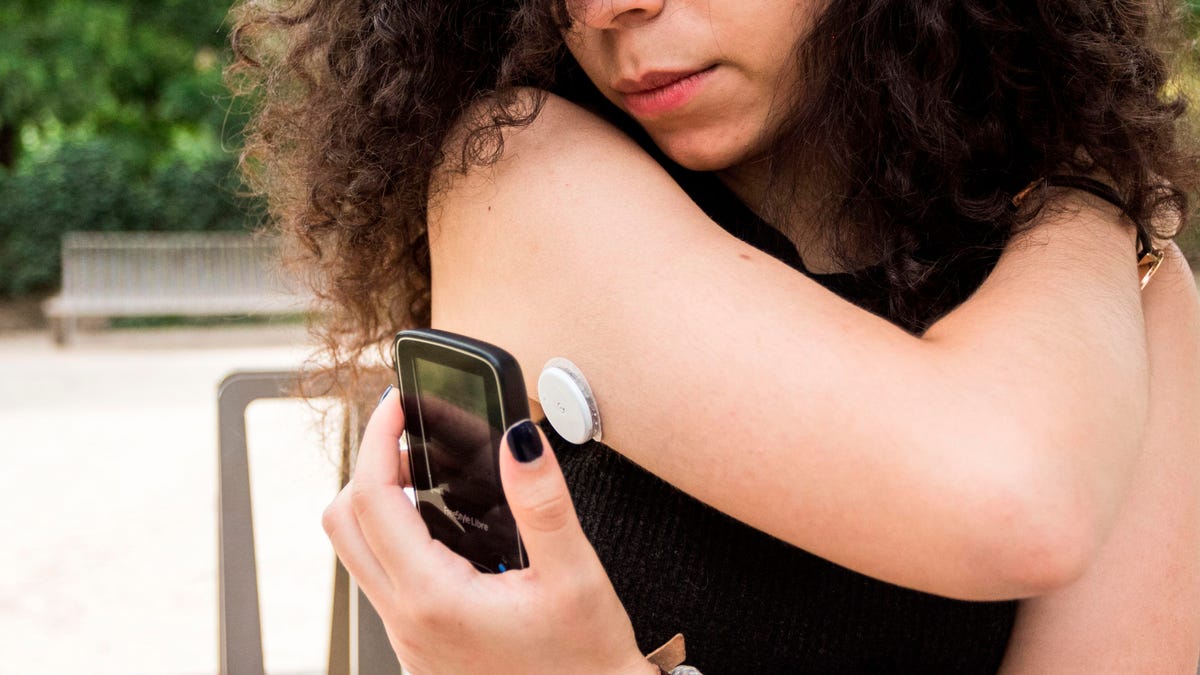
To understand why smartwatch glucose tracking is currently unreliable for medical use, we have to look at the biology of how sugar is measured. Authorized devices typically measure glucose in the interstitial fluid—the fluid surrounding your cells. This requires a subcutaneous sensor that actually enters the skin. While this sounds more invasive than a light-based sensor on a watch, it is the only method currently validated to reflect blood sugar levels accurately enough for dosing decisions.
Non-invasive sensors usually attempt to measure glucose through sweat, tears, or by shining light through the skin (optical sensing). The problem is that these signals are incredibly weak and easily distorted by sweat, movement, skin temperature, and even skin tone. In the medical world, accuracy is measured by the MARD percentage (Mean Absolute Relative Difference). A lower MARD indicates a more accurate device. Authorized CGMs usually have a MARD below 10%, while many unauthorized non-invasive wearables fail to even publish their data or show variations that would be dangerous in a clinical setting.
Heart rate and blood oxygen (O2) sensors are common in health tech wearables, but they cannot be easily repurposed for glucose monitoring. Glucose molecules do not have the same distinct optical signature as oxygenated hemoglobin. Without rigorous clinical validation studies, any "sugar score" provided by a generic smart ring or watch is essentially a guess. This is why the medical device classification for glucose monitors is so strict; there is no room for experimental error when hypoglycemia prevention is the goal. For those seeking alternatives to non-invasive glucose tracking smartwatches, the focus must remain on hardware that has undergone the FDA's rigorous testing.
Safe Alternatives: FDA-Cleared CGMs for 2026
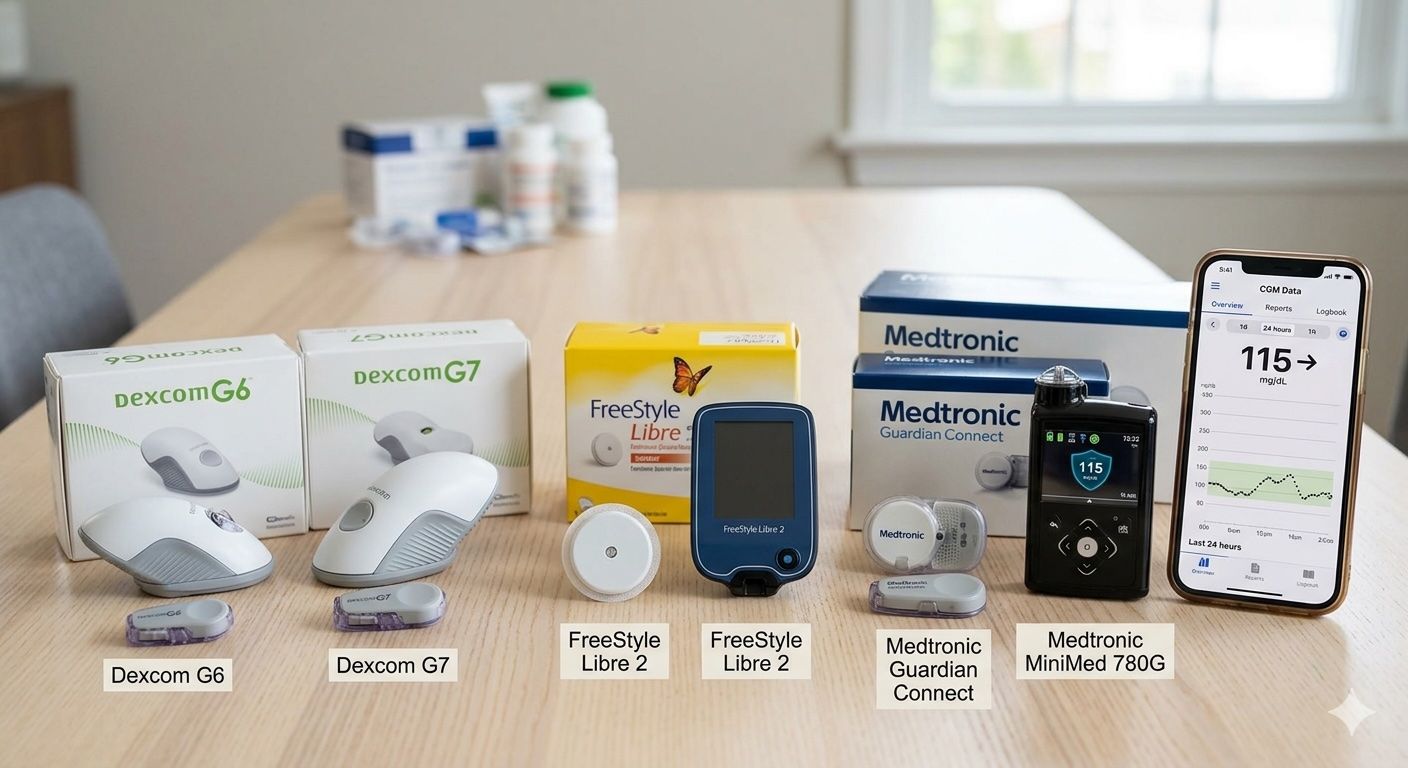
If you want the convenience of seeing your blood sugar on your wrist, there is a safe way to do it. You must separate the "sensor" from the "display." While the Apple Watch and Samsung Galaxy Watch do not measure glucose themselves, they are excellent at showing data from authorized third-party continuous glucose monitors (CGMs).
The following table highlights the best FDA-approved CGMs for 2026, which are clinically validated for accuracy and safety:
| Device | Type | Wear Time | Key Benefit |
|---|---|---|---|
| Dexcom G7 | Prescription CGM | 10 Days | Fastest warm-up; highly accurate MARD. |
| FreeStyle Libre 3 Plus | Prescription CGM | 15 Days | Smallest sensor; integrated with automated insulin pumps. |
| Eversense 365 | Implantable CGM | 1 Year | One-year wear time; requires minor clinical procedure. |
| Dexcom Stelo | Over-the-Counter | 15 Days | For Type 2 diabetics not using insulin. |
When comparing the Dexcom Stelo vs Dexcom G7 for type 2 diabetics, the choice often comes down to medication. The Stelo is the first biosensor cleared for use without a prescription, making it a great tool for those who want to see how diet and exercise affect their sugar. However, for those on insulin, the Dexcom G7 remains the gold standard because it includes the necessary alerts for dangerous lows.
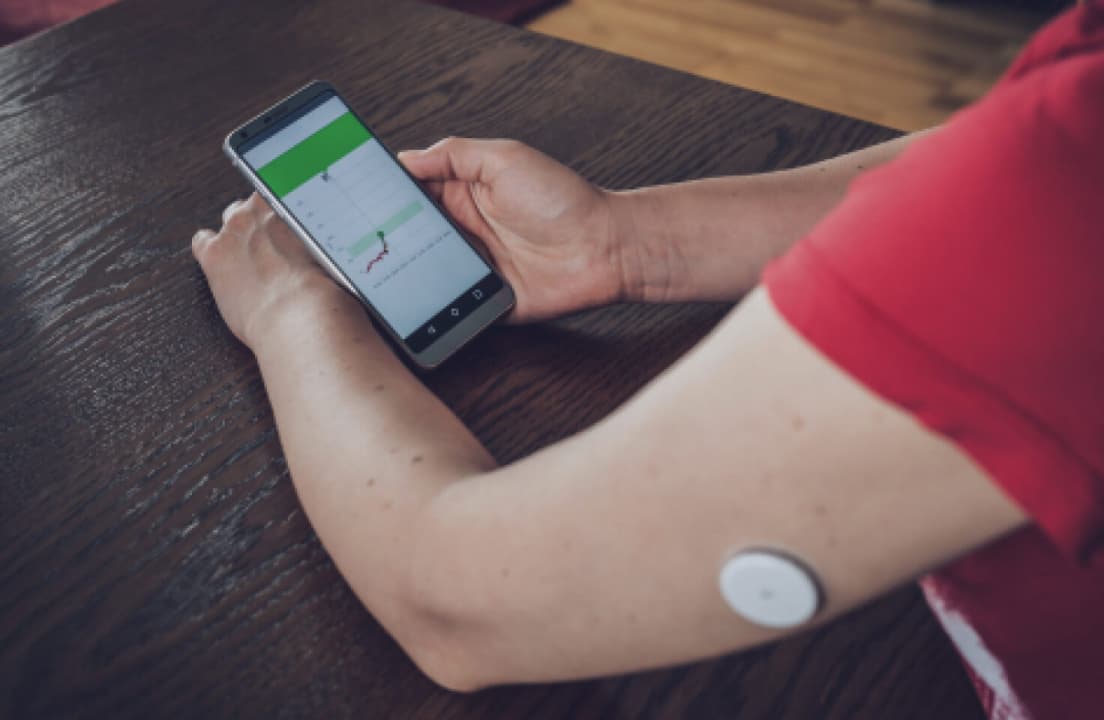
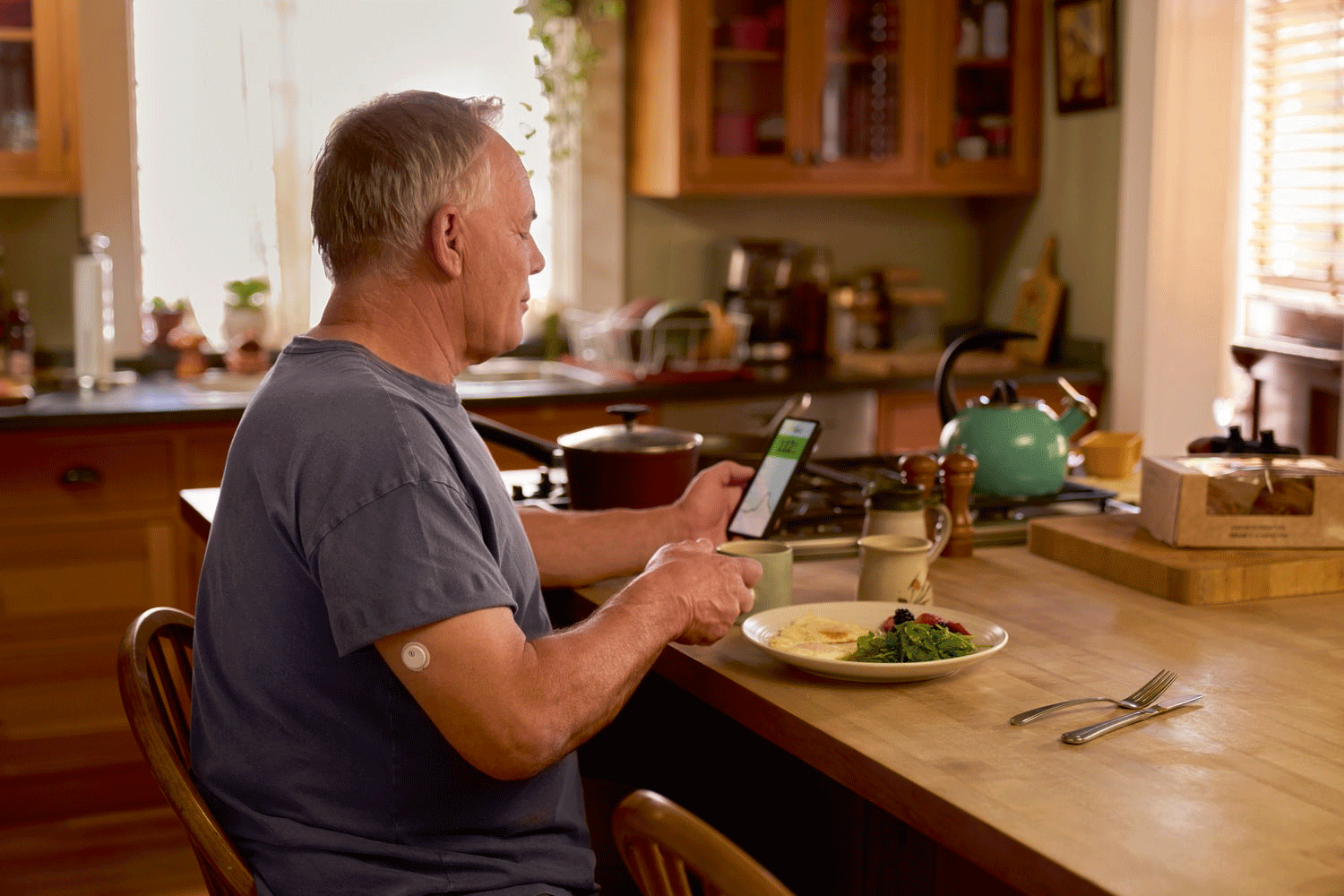
Using apple watch for glucose monitoring with third party cgm integration is the preferred method for tech-savvy patients. You wear an authorized sensor on your arm or abdomen, and the third-party app integration allows the data to sync via Bluetooth to your watch face. This setup ensures you are making decisions based on medical-grade data while still enjoying the convenience of wearable technology.

How to Verify Your Device’s Safety
With so many products flooding the market, it is easy to be misled by clever marketing. Knowing how to check if a glucose tracking watch is FDA cleared is a vital skill for any consumer. The most reliable method is to search the FDA’s Establishment Registration & Device Listing database. If a product claims to be a medical device but doesn't have a 510(k) number or a De Novo classification, it is likely unauthorized for glucose measurement.
Be wary of any product that uses the following "red flag" phrases:
- "No-needle blood sugar monitoring"
- "Non-invasive glucose tracking technology"
- "Measure your sugar with a laser sensor"
If a device claims to measure sugar without a subcutaneous sensor or without needing a skin-piercing calibration, it is not a medical device. If you have purchased an unauthorized device, the FDA recommends you stop using it for medical purposes immediately. You can report any inaccuracies or injuries caused by these devices through the MedWatch Voluntary Reporting Form on the FDA website. This helps the agency track dangerous products and issue further warnings to protect the public.
FAQ
Are glucose-tracking smartwatches FDA approved?
Currently, no smartwatch or smart ring that claims to measure blood glucose non-invasively—meaning without piercing the skin—is FDA-cleared, approved, or authorized. While some watches can display data from external, authorized sensors, the watches themselves do not have the hardware to measure glucose accurately on their own.
Is there a smartwatch that tracks blood sugar without needles?
There is no smartwatch on the market in 2026 that can accurately and safely track blood sugar without some form of sensor that interacts with your body's fluids. While companies are working on transdermal sensing technology, none have met the clinical accuracy standards required by the FDA to replace traditional testing.
Do you need a separate sensor for glucose tracking on a watch?
Yes. To see your glucose levels on a smartwatch, you must use a separate, FDA-authorized continuous glucose monitor (CGM). This sensor is usually worn on the arm or belly. The sensor sends data to your phone or watch via Bluetooth, allowing the watch to act as a display for the medical-grade hardware.
Can a smartwatch replace a traditional glucose meter?
No, a smartwatch cannot replace a traditional finger-stick meter or an authorized CGM. Because smartwatches lack the sensors to measure blood chemistry, relying on them for insulin dosing or medical decisions is dangerous. Always use a clinically validated device for managing diabetes.
Final Thoughts on Wearable Safety
The dream of needle-free glucose monitoring is a powerful one, and technology is moving closer to that reality every year. However, we are not there yet. For the 37 million Americans managing diabetes, the distinction between a gadget and a medical device is a matter of life and death. Smartwatch glucose tracking is a helpful tool for viewing data, but only when that data comes from a trusted, authorized source.
Before you invest in any new health tech, consult with your healthcare provider. They can help you navigate the world of FDA cleared glucose monitoring devices and find a solution that offers both the convenience you want and the safety you need. Stay informed, stay skeptical of "miracle" sensors, and always prioritize clinical accuracy over marketing promises.