Quick Facts
- Safety Status: As of 2026, the FDA has not authorized, cleared, or approved any smartwatch or smart ring to measure blood glucose levels on its own.
- The Danger: Inaccurate readings from unauthorized devices can lead to life-threatening errors in insulin dosing or delayed medical care.
- Clinical Standard: Medical-grade monitors are held to a rigorous Mean Absolute Relative Difference of 10% or less to ensure clinical reliability.
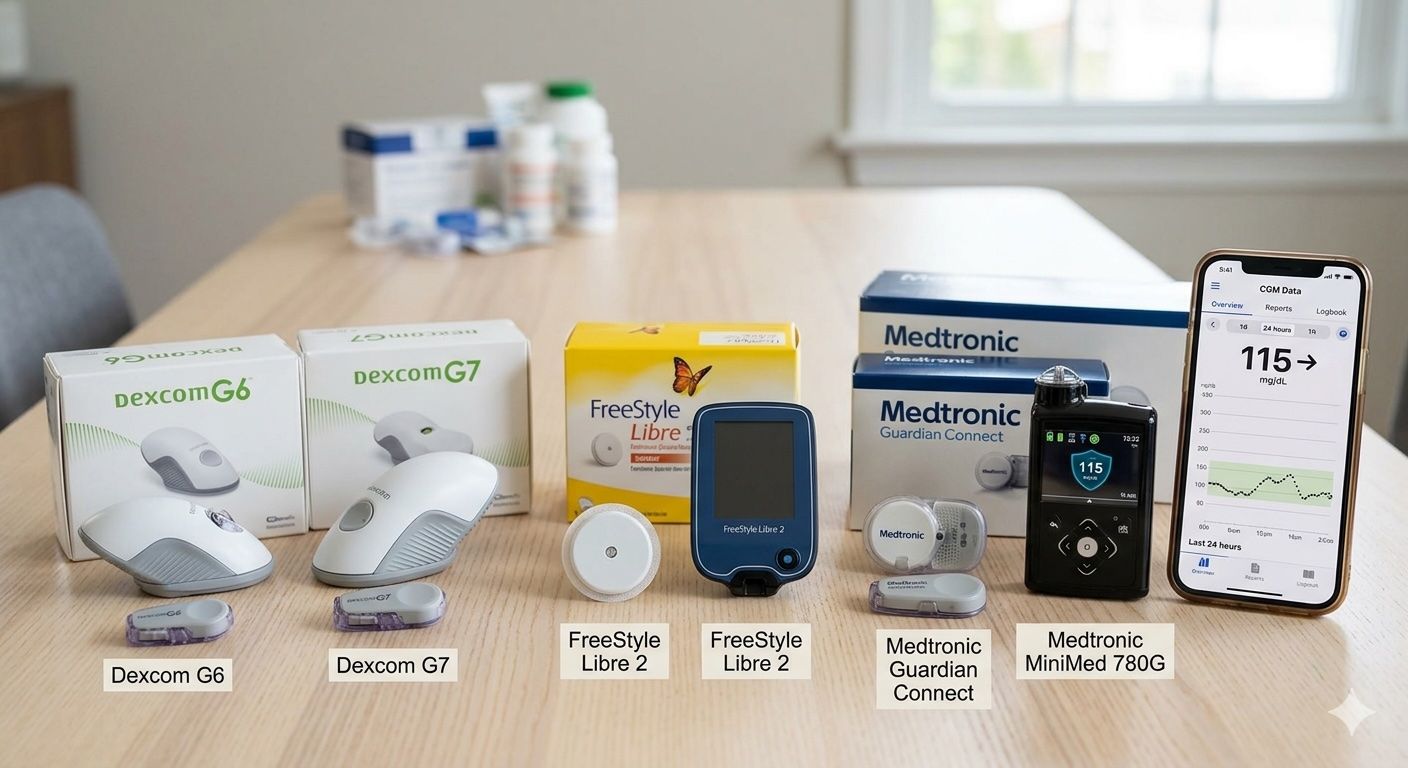
- Top Safe Alternative: Patients should look toward FDA-cleared systems like the Dexcom Stelo for over-the-counter use or the Dexcom G7 for clinical management.
- Verification Tip: Always verify the regulatory status of a health wearable by searching the FDA 510(k) database for cleared medical devices.
- Direct Answer: Currently, there is no FDA-cleared non-invasive glucose monitoring device that measures blood sugar without skin penetration; authorized apps only display data from separate, skin-piercing CGM sensors.
As of 2026, the FDA remains firm: no smartwatch or smart ring is currently cleared for non-invasive glucose monitoring. While the promise of needle-free tracking is high, relying on unverified wearables for medical decisions poses life-threatening risks. This guide explores the latest FDA warnings, the science behind the accuracy gap, and the only FDA cleared non-invasive glucose monitoring alternatives currently available for safe blood sugar management through the established 510(k) regulatory pathway.
The FDA Safety Communication: No Authorization for Wearables
The conversation around wearable health tech took a serious turn when the U.S. Food and Drug Administration (FDA) issued a definitive safety communication. On February 21, 2024, the agency stated that it has not authorized, cleared, or approved any smartwatch or smart ring intended to measure or estimate blood glucose values independently. This warning specifically targets devices that claim to track metabolic health without any skin penetration—a technology often touted as the "holy grail" of diabetes management but one that has not yet met the mark for medical device classification.
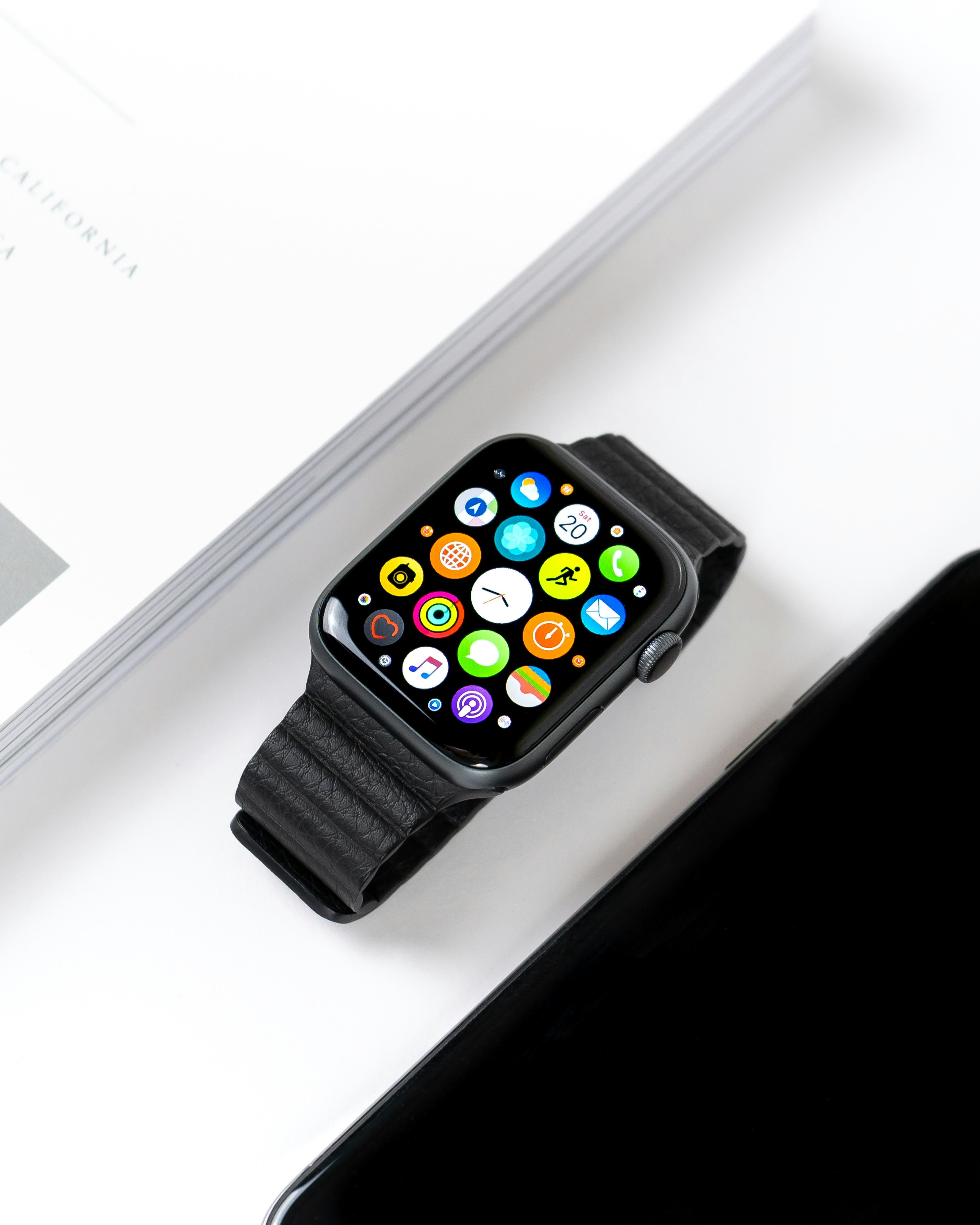
The FDA warnings for glucose wearables highlight a critical distinction: there is a massive difference between a watch that "measures" blood sugar using built-in sensors and a watch that simply "displays" data from an external, FDA-cleared continuous glucose monitor (CGM). Many consumer smartwatches are marketed through online marketplaces and crowdfunding campaigns, promising revolutionary needle-free tech. However, the agency warns that these devices lack the necessary clinical evidence to support their claims. Under current wearable tech marketing regulations, selling a device as a medical diagnostic tool without the proper 510(k) regulatory pathway clearance is illegal and, more importantly, dangerous for the consumer.
When you see a new "blood sugar ring" on a social media ad, you need to know how to verify if a glucose wearable is FDA cleared. Authentic medical devices must undergo extensive testing to prove they are safe and effective for their intended use. For the approximately 37 million Americans living with diabetes, the stakes of using unauthorized tech are incredibly high. The agency's alert applies to dozens of companies that bypass traditional medical channels, often leaving users with a false sense of security regarding their metabolic health tracking.
The Accuracy Gap: MARD and Optical Spectroscopy
The technological hurdle standing in the way of true non-invasive glucose monitoring is the complexity of the human body. Medical-grade monitors typically use a tiny filament to perform interstitial fluid analysis, which measures glucose levels in the fluid between cells. This method is highly accurate and closely mirrors blood sugar levels. In contrast, many unverified consumer wearables attempt to use optical spectroscopy—using light to look through the skin at blood vessels—to estimate glucose. While this sounds futuristic, skin thickness, sweat, and even tattoos can cause significant interference, leading to wildly inconsistent results.
To understand the difference in medical grade vs consumer glucose monitors, we must look at the Mean Absolute Relative Difference, or MARD. This is the gold standard for measuring the accuracy of glucose sensors. A lower MARD percentage indicates higher accuracy. For a device to be used for making medical decisions, such as dosing insulin, the clinical validation standards generally require a MARD of 10% or less. Most consumer-grade wearables that claim to track glucose do not publish their MARD data, or if they do, the numbers often hover far above the 15-20% range, making them unsuitable for medical use.
| Feature | Medical-Grade CGM (e.g., Dexcom/Libre) | Consumer "Non-Invasive" Wearable |
|---|---|---|
| FDA Status | FDA Cleared (510(k)) | Not Authorized |
| Technology | Interstitial fluid analysis (Filament) | Optical spectroscopy (Light-based) |
| Primary Use | Medical dosing & treatment | General wellness/experimental |
| MARD Accuracy | Typically ≤ 10% | Unverified/Often > 20% |
| Regulatory Risk | Low (Clinically Validated) | High (Safety Alerts Issued) |
When evaluating medical grade vs consumer smartwatch glucose accuracy, it becomes clear that consumer devices are often better suited for general trend tracking rather than clinical intervention. Even if a watch can show a "trend" of rising or falling sugar, the lack of precision means it cannot be used to manage a chronic condition. For those interested in biohacking trends, it is tempting to adopt the newest tech, but the gap between "lifestyle data" and "medical data" is a chasm that currently can only be bridged by FDA-cleared biosensors.
Risks of Relying on Unverified Glucose Wearables
The risks of relying on unverified blood sugar wearables are not just theoretical; they are life-threatening. For a person with Type 1 or Type 2 diabetes, a blood sugar reading is the compass used to navigate daily life. If a smartwatch provides a reading that is falsely high, a patient might take a dose of insulin they don't actually need. This can lead to rapid hypoglycemia, resulting in mental confusion, loss of consciousness, or even a coma. Conversely, if the device shows a falsely low or "normal" reading when the sugar is actually dangerously high, the patient may miss a life-saving dose, leading to ketoacidosis.
Beyond the immediate physical dangers, there is a growing concern regarding how people use this tech for metabolic health tracking and prediabetic monitoring. Many healthy individuals or those with prediabetes are turning to these unverified devices as part of broader biohacking trends. While the desire to optimize health is positive, using inaccurate sensors can lead to unnecessary anxiety or dangerous dietary restrictions based on "phantom" glucose spikes that aren't actually occurring. The FDA emphasizes that there is no substitute for clinical-grade precision when it comes to blood chemistry.
Red Flags for Unverified Devices
- Claims of "No Needles": If a device claims to measure glucose without piercing the skin or using a patch, and it isn't a well-known brand like Dexcom or Abbott, be extremely skeptical.
- Crowdfunding Only: Devices that are only available through Indiegogo or Kickstarter often haven't undergone any clinical validation standards.
- Vague Health Language: Watch for phrases like "estimates glucose trends" or "wellness support" which are often used to evade medical device classification.
- Missing 510(k): If the manufacturer cannot provide an FDA 510(k) clearance number, the device is not approved for medical use.
Safe Alternatives: FDA-Cleared Continuous Glucose Monitors (CGMs)
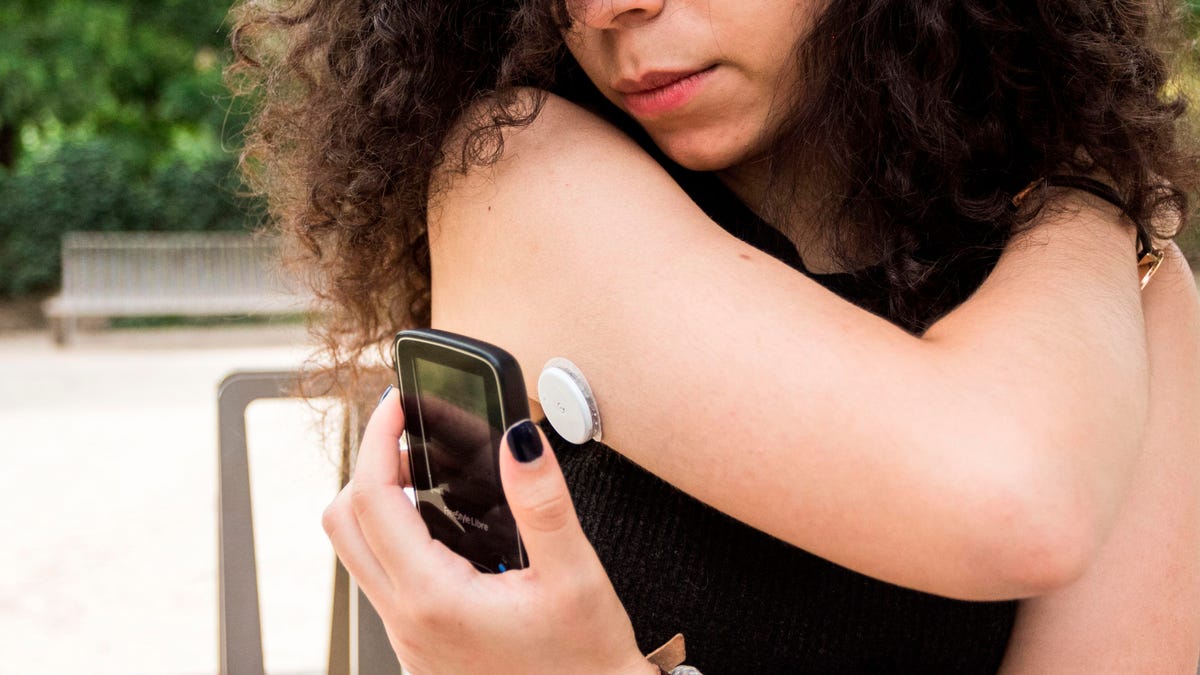
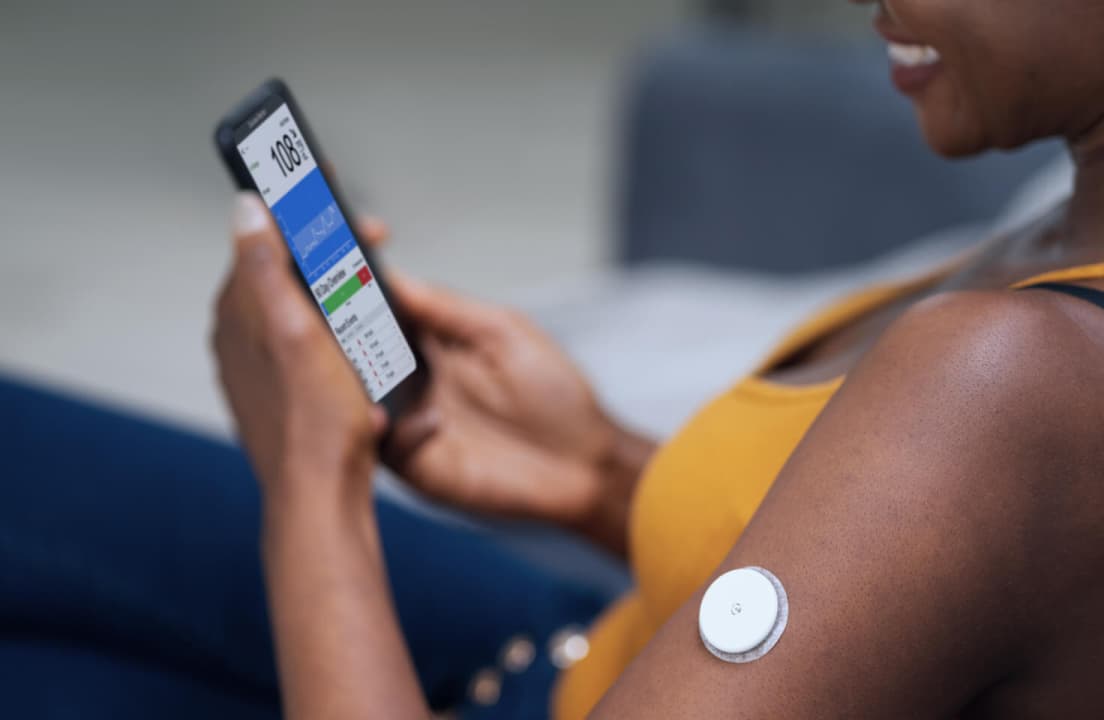
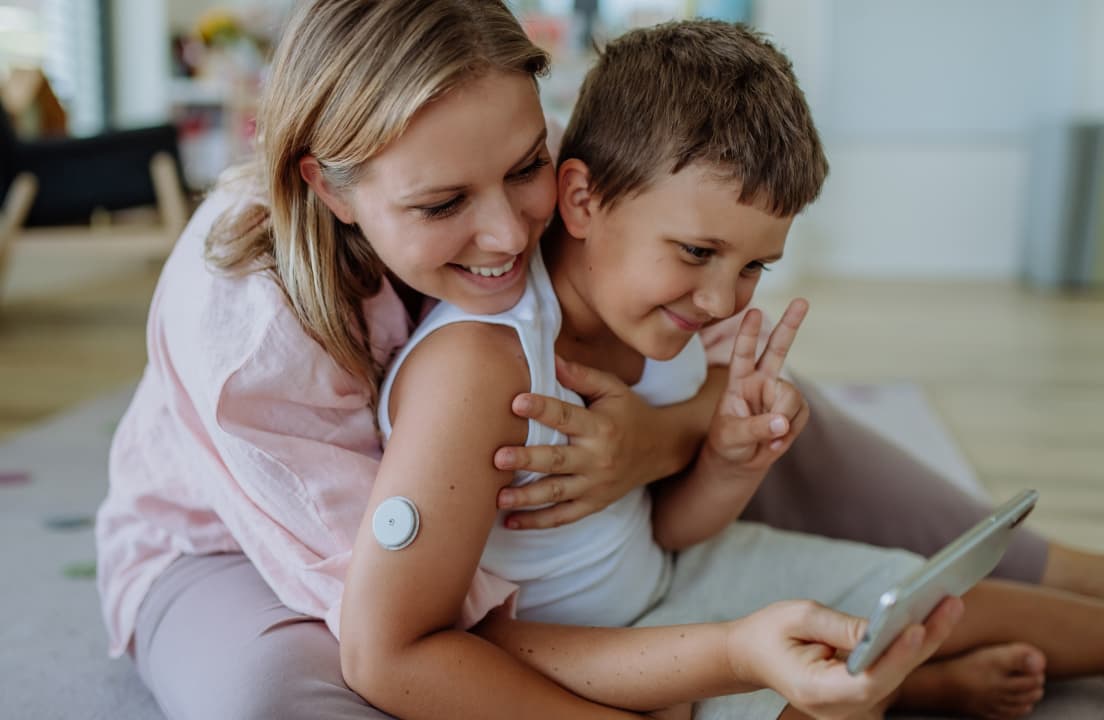
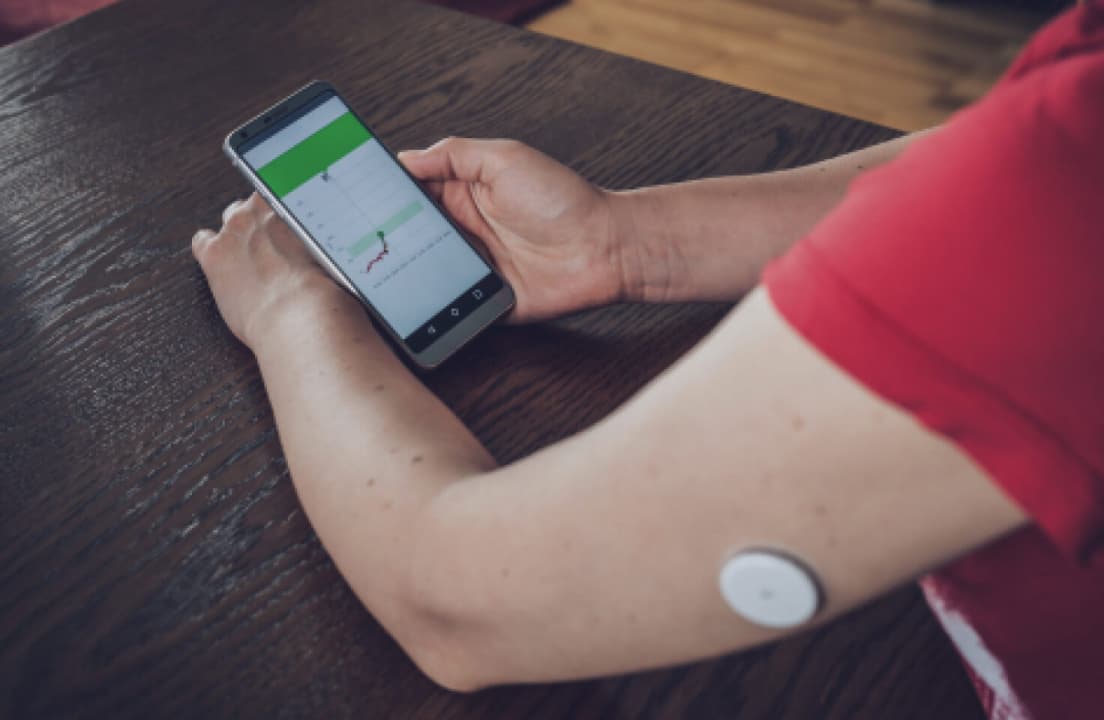
While a truly non-invasive watch doesn't exist yet, there are excellent FDA cleared non-invasive glucose monitoring alternatives that are minimally invasive and highly accurate. These systems typically involve a small wearable sensor that sticks to the skin and uses a tiny, painless filament to monitor sugar levels 24/7. The data is then sent wirelessly to your smartphone or smartwatch.
Leading the market are devices like the Dexcom G7 and the FreeStyle Libre 3 Plus. These are prescription-grade monitors that offer real-time biofeedback loops for those managing diabetes. For those without a prescription who are interested in metabolic health, the FDA recently cleared the Dexcom Stelo, the first over-the-counter (OTC) glucose biosensor. This allows users to engage in interpreting glucose trend data for lifestyle impacts—such as seeing how a specific meal or exercise affects their levels—without needing a doctor’s note.
Another breakthrough in authorized tech is the Eversense 365. This is a transdermal biosensing system that uses a small sensor implanted under the skin of the upper arm. It is the first FDA-cleared one-year implantable sensor, meaning users only have to think about their sensor once a year rather than every 10 to 14 days. These authorized systems provide the clinical accuracy needed to stay safe while offering the convenience that modern patients crave.

FAQ
Is there a non-invasive way to check glucose levels?
Currently, there is no fully non-invasive (needle-free) device that has been cleared by the FDA for accurate glucose monitoring. All reliable systems currently require a small filament to sit just under the skin to analyze interstitial fluid.
How accurate are non-invasive glucose monitors?
The unauthorized non-invasive monitors found on smartwatches and rings are generally not considered accurate for medical use. They lack clinical validation and often fail to meet the standard Mean Absolute Relative Difference of 10% required for clinical safety.
Are there any FDA-approved non-invasive glucose monitors?
No, as of 2026, the FDA has not approved any fully non-invasive glucose monitors. Only minimally invasive continuous glucose monitors, which use a tiny sensor under the skin, have received FDA clearance for medical decision-making.
Can a smartwatch measure blood sugar without a needle?
A smartwatch cannot currently measure blood sugar accurately without a needle or sensor. While some watches claim to use optical sensors, these are unverified and the FDA has issued safety warnings against using them for health management.
How do needle-free glucose monitors work?
Experimental needle-free monitors often use optical spectroscopy or radio frequency to estimate glucose through the skin. However, these methods are currently plagued by interference and have not yet proven consistent enough to replace traditional sensors.
Next Steps for Health Monitoring
If you are looking to improve your metabolic health tracking or manage a condition like diabetes, the first step is to speak with your healthcare provider. They can help you determine if a CGM is right for you and whether your insurance covers FDA-cleared devices. For those interested in the lifestyle benefits of glucose tracking, over-the-counter options like the Dexcom Stelo provide a safe, validated entry point into biofeedback without the risks of unverified tech.
The world of health technology moves fast, but safety must always come first. By sticking to the 510(k) regulatory pathway and verified medical devices, you ensure that the data you are using to make life-changing health decisions is accurate, reliable, and backed by science. Keep an eye on the FDA database for new clearances, as researchers continue to work toward the goal of a truly non-invasive future. Until then, trust the sensors that have passed the test.