Quick Facts
- Standard Accuracy: FDA-cleared models typically maintain an accuracy range within 2% to 3% compared to professional arterial blood gas tests.
- Normal Range: A healthy reading for most individuals falls between 95% and 100% SpO2.
- Hypoxia Warning: Readings that consistently drop below 92% indicate a need to consult a healthcare professional.
- Emergency Threshold: Any reading of 88% or lower is considered a medical emergency requiring immediate attention.
- Best For: Essential for COPD management, sleep apnea monitoring, high-altitude training, and proactive senior health tracking.
- Market Outlook: The global pulse oximeter market is projected to reach $6.76 billion by 2034, reflecting a massive shift toward home-based health monitoring.
A finger pulse oximeter is worth it for daily health tracking because it provides a non-invasive, reliable way to monitor oxygen saturation levels and pulse rate from the comfort of home. By utilizing infrared sensors and plethysmography, these devices offer early detection of hypoxemia, providing peace of mind and actionable data for those managing chronic conditions or optimizing athletic performance.
Tracking your 'fifth vital sign' is easier than ever in 2026. But is a finger pulse oximeter worth it for the average person? Understanding SpO2 monitoring at home is key to proactive health management. While once reserved for hospital wards, these small clips have become a staple in the modern medicine cabinet, alongside the digital thermometer and blood pressure cuff. Whether you are recovering from a respiratory illness or simply want to keep an eye on your cardiovascular health, these tools bridge the gap between clinical visits and daily life.
The Technology: How Does a Finger Pulse Oximeter Work?
At its core, a finger pulse oximeter is a marvel of optical physics. The device uses a process called plethysmography to detect changes in blood volume in the microvascular bed of the tissue. When you slide your finger into the clip, the device emits two different wavelengths of light—red and infrared. Hemoglobin, the protein in your blood that carries oxygen, absorbs these wavelengths differently depending on how much oxygen it is holding. Oxygenated hemoglobin absorbs more infrared light, while deoxygenated hemoglobin absorbs more red light.
The sensors on the opposite side of the clip measure the light that passes through your finger. High-tech algorithms then calculate the ratio of these light levels to determine your oxygen saturation levels. For many users, the Perfusion Index is an equally important metric provided by modern devices. This value represents the pulse strength at the sensor site; a low index might suggest that your hands are too cold or your circulation is too restricted for a reliable reading.
It is vital to distinguish between medical-grade devices and those sold for recreational use, such as for pilots or mountain climbers. The U.S. Food and Drug Administration (FDA) states that FDA-cleared pulse oximeters typically have an accuracy within 2% to 3% of arterial blood gas values. While recreational devices can give you a general idea of your status, those managing serious health conditions should always prioritize clinical accuracy and look for the FDA-cleared label.
Interpreting the Numbers: Is Your SpO2 Level Normal?
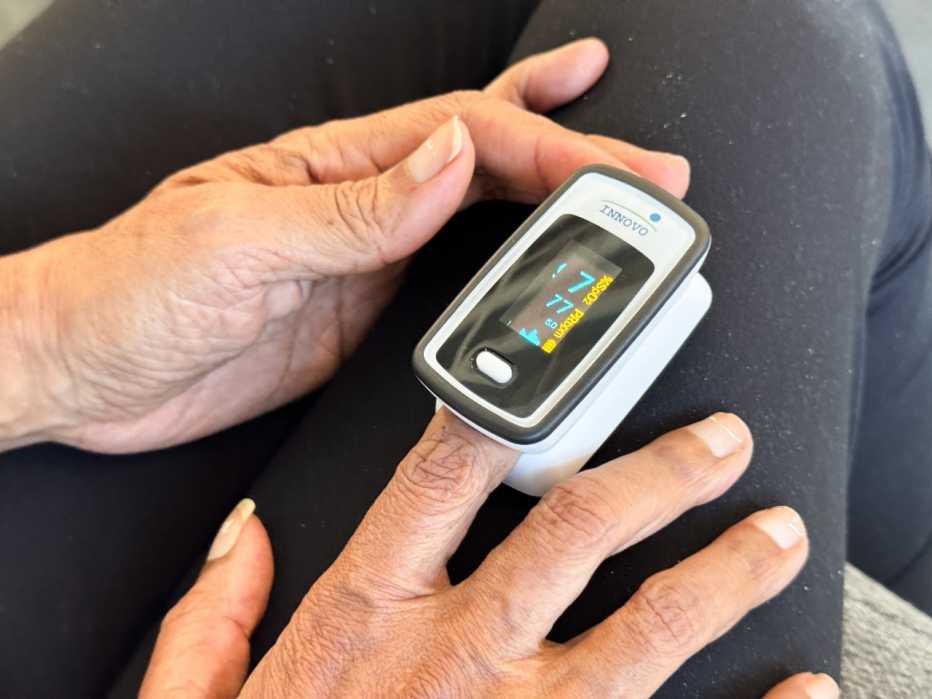
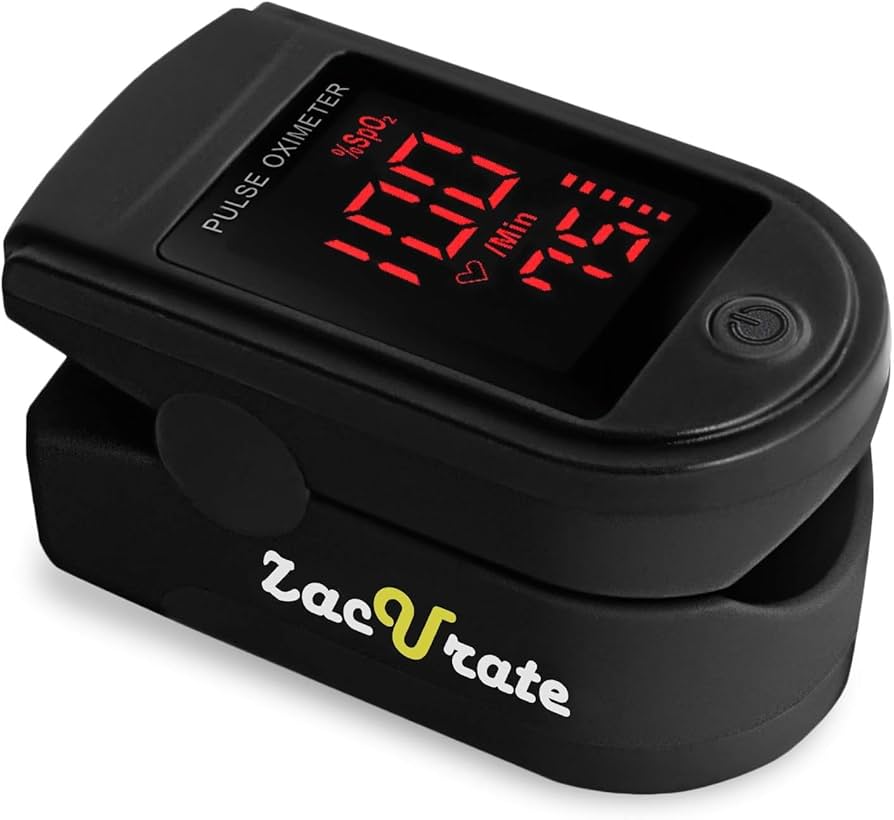
Once the device stabilizes, you will typically see two numbers on the screen: SpO2 and PR. The PR stands for Pulse Rate, measured in beats per minute, while SpO2 represents the percentage of oxygen-saturated hemoglobin in your blood. In the medical community, oxygen saturation is often called the fifth vital sign because it provides an immediate snapshot of how well your heart and lungs are working together to deliver oxygen to your tissues.
For a healthy adult at sea level, a normal reading usually sits between 95% and 100%. If you notice your numbers dipping into the low 90s, it may be a sign of underlying respiratory stress. However, interpretation must be nuanced. A person with chronic lung issues might have a baseline that is naturally lower than a marathon runner. This is why tracking SpO2 levels for respiratory health management is more about observing trends over time rather than obsessing over a single spot-check.
Safety Alert: Oxygen Thresholds
- 95% - 100%: Normal range for most healthy individuals.
- 92% - 94%: Potential concern; monitor closely and consult a physician if symptoms like shortness of breath occur.
- Below 92%: Signs of hypoxemia; seek medical advice promptly.
- 88% or Lower: Critical level; seek emergency medical intervention immediately.
Understanding interpreting pulse oximeter readings and when to see a doctor is the most important skill for a home user. If you feel dizzy, confused, or have a blue tint to your lips or fingernails, do not wait for the device to confirm your symptoms—seek help. Data logging via a smartphone app can help you present a clear picture of these trends to your physician during your next check-up.
Persona Analysis: Who Benefits from Daily Tracking?
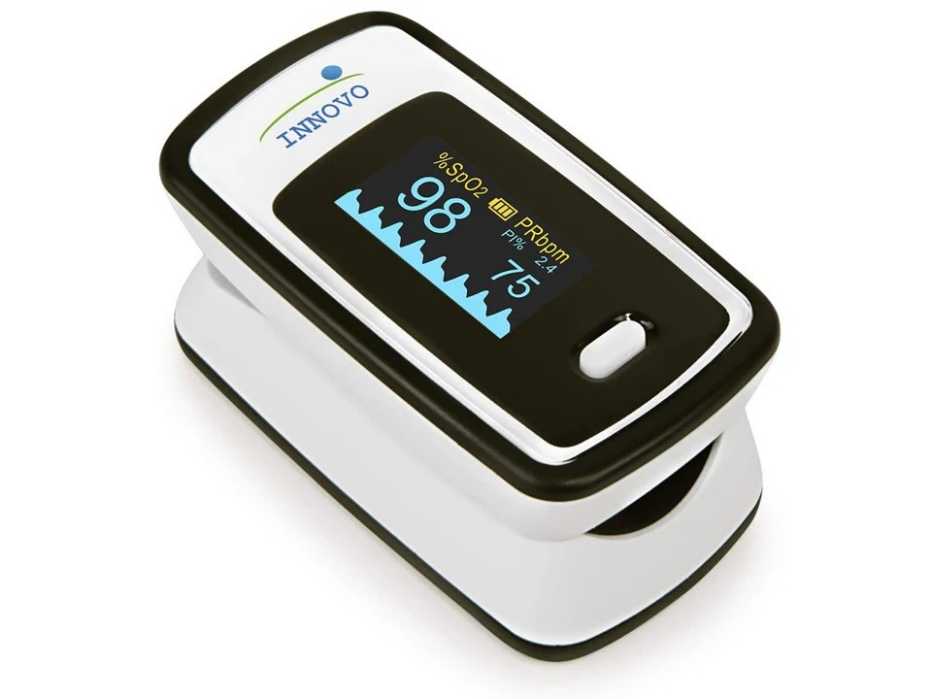
The question of whether a finger pulse oximeter is worth it depends heavily on your specific health profile. We can generally categorize the primary beneficiaries into three distinct groups.
First are the individuals dealing with chronic respiratory or cardiac conditions. For these users, pulse oximetry is a lifeline. In the context of COPD management, a sudden drop in oxygen levels can signal an impending flare-up before physical symptoms become severe. Similarly, those diagnosed with Sleep Apnea may use these devices to monitor how effectively their CPAP machine is maintaining their oxygen levels throughout the night.
Second, we see a growing segment of healthy adults and seniors who engage in proactive monitoring. As we age, our lung capacity naturally decreases, and having a baseline for your oxygen levels makes it much easier to identify when a common cold might be turning into something more serious like pneumonia. Research suggests that top-selling consumer-grade pulse oximeters can achieve sensitivities of at least 96% for detecting low oxygen levels, making them excellent early-warning tools.
Finally, athletes and high-altitude adventurers find significant benefits of pulse oximeters. When training in thin air, monitoring how your body acclimatizes to lower oxygen availability is crucial for both performance and safety. By observing their SpO2, climbers can decide if they need to slow their ascent to avoid high-altitude pulmonary edema.
For those on Medicare Part B, it is worth noting that a finger pulse oximeter may be covered as durable medical equipment if your doctor deems it medically necessary for home use. This underscores the device's role as a legitimate medical tool rather than just a gadget.
Accuracy Pitfalls: Common Home Monitoring Errors
To get the most out of your device, you must understand how to avoid common errors that compromise clinical accuracy. While home devices are sophisticated, they are sensitive to external factors.
- Movement Interference: Keeping your hand perfectly still is the most effective way of how to improve pulse oximeter accuracy at home. Even slight tremors can cause the device to miscalculate the pulse wave.
- Circulation Issues: If your hands are cold, the blood flow to your fingertips is reduced. Rub your hands together to warm them up before taking a measurement.
- Ambient Light Interference: Bright sunlight or strong overhead fluorescent lights can "wash out" the infrared sensors, leading to erratic readings. Try to take measurements in a shaded or dimly lit area.
- Nail Polish and Artificial Nails: Dark nail polish, especially black, blue, or green, can block the light transmission entirely. If you wear polish, consider using a toe or turning your finger sideways, though removing the polish is the best solution.
An important conversation in modern medicine involves physiological equity. Studies have shown that some pulse oximeters may overestimate oxygen levels in individuals with darker skin pigmentation. This happens because melanin can absorb some of the light intended for the hemoglobin. If you have a darker skin tone, it is even more critical to focus on the change in your readings relative to your own personal baseline rather than a single number.
Choosing Your Device: 2026 Market Trends
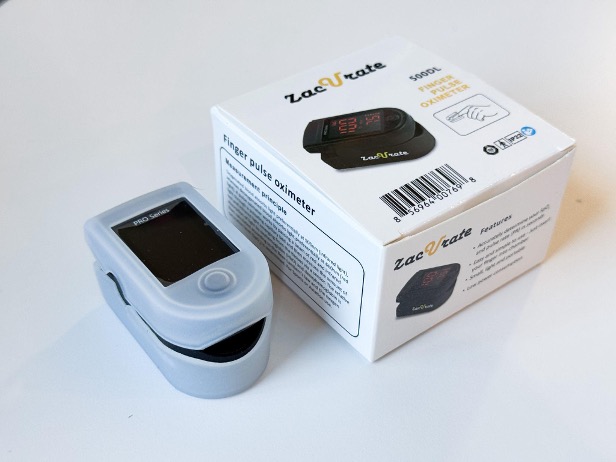
The market for SpO2 monitoring at home has evolved rapidly. In 2026, the primary choice for consumers is between the classic fingertip model and the newer wearable ring styles.
| Feature | Fingertip Pulse Oximeter | Wearable Ring Oximeter |
|---|---|---|
| Best Use Case | Quick spot-checks during the day | Continuous overnight monitoring |
| Comfort | Moderate (clips on finger) | High (worn like jewelry) |
| Data Storage | Usually limited on-device | Extensive smartphone app integration |
| Alerts | Visual display only | Vibration alerts for low oxygen |
| Battery Life | Replaceable AAA batteries | Rechargeable internal battery |
When looking for the best pulse oximeters with smartphone app integration 2026, look for features like Bluetooth synchronization. This allows the device to automatically log your data to an app on your phone, creating easy-to-read charts that highlight benefits of daily pulse oximetry for healthy adults by showing long-term stability.
For those on a budget, a fingertip pulse oximeter remains the gold standard for value. They are portable, easy to share among family members, and provide the essential data needed for spot-checking. However, if you suspect you have sleep issues, the ring model's ability to stay secure during movement makes it the superior choice for tracking overnight trends.
FAQ
How does a finger pulse oximeter work?
The device works by shining red and infrared light through your fingertip. It measures how much of each wavelength is absorbed by the hemoglobin in your blood. Since oxygen-rich blood absorbs more infrared light, the device can calculate the percentage of oxygen saturation based on the light that reaches the sensor on the other side.
What is a normal oxygen level on a pulse oximeter?
For most healthy adults, a normal oxygen saturation reading falls between 95% and 100%. People with chronic lung diseases like COPD may have a lower normal range (often 88% to 92%), which is why it is important to discuss your specific target range with a doctor.
Which finger should you use for a pulse oximeter?
Research suggests that the middle finger of the dominant hand often provides the most accurate results. The thumb is also a viable option. Regardless of which finger you choose, ensure it is clean, warm, and inserted fully into the device for a stable reading.
How accurate are home pulse oximeters?
Most high-quality home oximeters are accurate within 2% to 3% of a hospital-grade arterial blood gas test. However, accuracy can be affected by poor circulation, movement, or skin temperature. It is always best to look for devices that have received FDA clearance for medical use.
What can cause an inaccurate pulse oximeter reading?
Several factors can interfere with the light sensors, including excessive movement, poor circulation (cold hands), very low blood pressure, or tobacco use which increases carbon monoxide levels in the blood. Additionally, the device may struggle to provide an accurate reading if it is exposed to very bright ambient light during the test.
Does nail polish affect pulse oximeter readings?
Yes, nail polish—especially dark colors like black, blue, or dark red—can interfere with the light waves passing through the fingernail. This often results in a falsely low reading or the device failing to register a pulse at all. It is recommended to remove polish from at least one finger for testing or use a toe if necessary.
The Bottom Line
Is a finger pulse oximeter worth it? For the vast majority of households, the answer is a resounding yes. The ability to monitor your oxygen saturation levels at home provides a layer of security that was previously unavailable. Whether you are managing a chronic condition, training for a high-altitude hike, or simply want to be better prepared for the next flu season, these devices are a low-cost investment in your long-term health.
When shopping, prioritize models with FDA clearance to ensure you are getting data you can trust. By understanding the technology, recognizing the pitfalls of accuracy, and knowing how to interpret your numbers, you turn a simple plastic clip into a powerful tool for proactive health management.