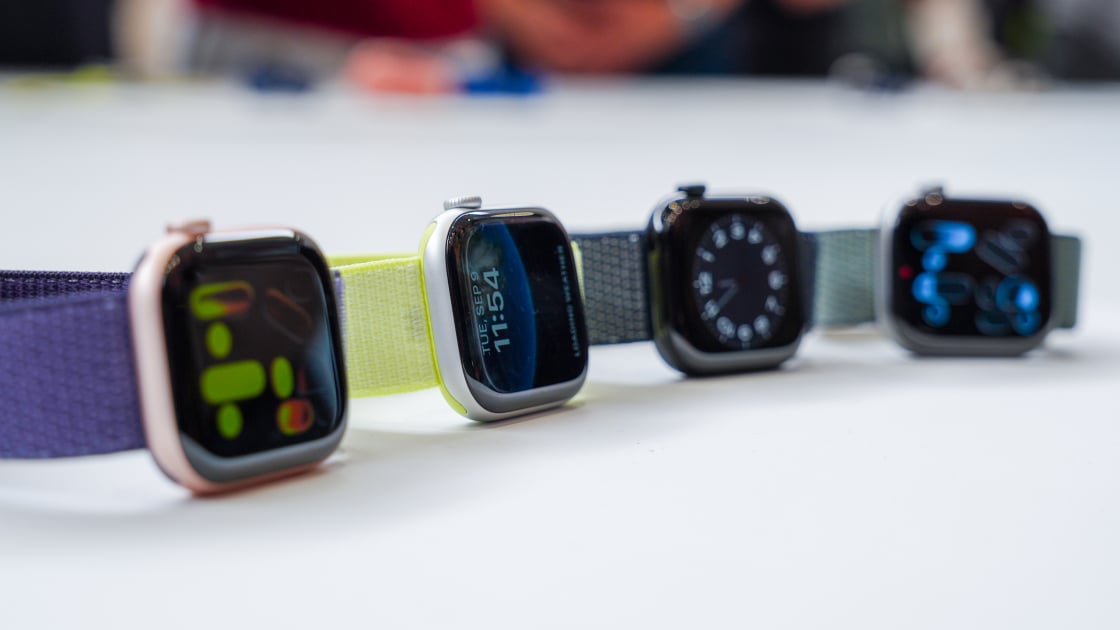
Quick Facts
- Best for Battery: Fitbit wins with 6-10 days of endurance compared to 18-36 hours for Apple.
- Best for Accuracy: Apple Watch leads with a lower heart rate error rate during intense movement.
- Ecosystem: Apple is exclusive to iPhone; Fitbit offers cross-platform integration for Android and iOS.
- Sleep Tracking: Fitbit provides deeper insights into sleep architecture and long-term recovery metrics.
- Entry Price: Fitbit trackers start around $60, while the Apple Watch entry point is roughly $200.
- The Verdict: Fitbit is the top choice for wellness-focused users who hate daily charging, while Apple Watch is the ultimate extension of the iPhone for power users and serious athletes.
Fitbit devices offer significantly longer battery life, often lasting up to 7-10 days, while the Apple Watch leads in health and fitness tracking accuracy and smart features but requires daily charging. The choice between Fitbit vs Apple Watch ultimately depends on your smartphone OS and how often you want to charge your device.
Ecosystem Compatibility: The Deciding Factor
The first question any prospective buyer must ask is not about heart rate sensors or step counts, but about the phone in their pocket. The smartwatch ecosystem compatibility of these two brands represents a fundamental philosophical divide in wearable technology. The Apple Watch remains a strictly iPhone-exclusive device. You cannot set it up, update it, or utilize its primary features without a modern iOS device. This makes it a seamless extension of your phone, but it is a total non-starter for the billions of Android users globally.
In contrast, Fitbit wearables are compatible with both Android and iOS smartphones. This flexibility is a major selling point for families with mixed-device households or individuals who might switch brands in the future. However, there is a caveat for the 2026 landscape: since Google’s acquisition of the brand, a Google account is now required for all new Fitbit devices. While this allows for deeper integration with services like Google Maps and YouTube Music, it moves Fitbit away from its standalone roots.
For those looking for Fitbit vs Apple Watch compatibility for Android smartphone users, Fitbit is the clear and only choice among these two. It operates as a fitness-tracker-first device that bridges the gap between different mobile operating systems, ensuring your health data stays with you even if you swap your phone.
Health and Fitness Tracking Accuracy: Lab Results
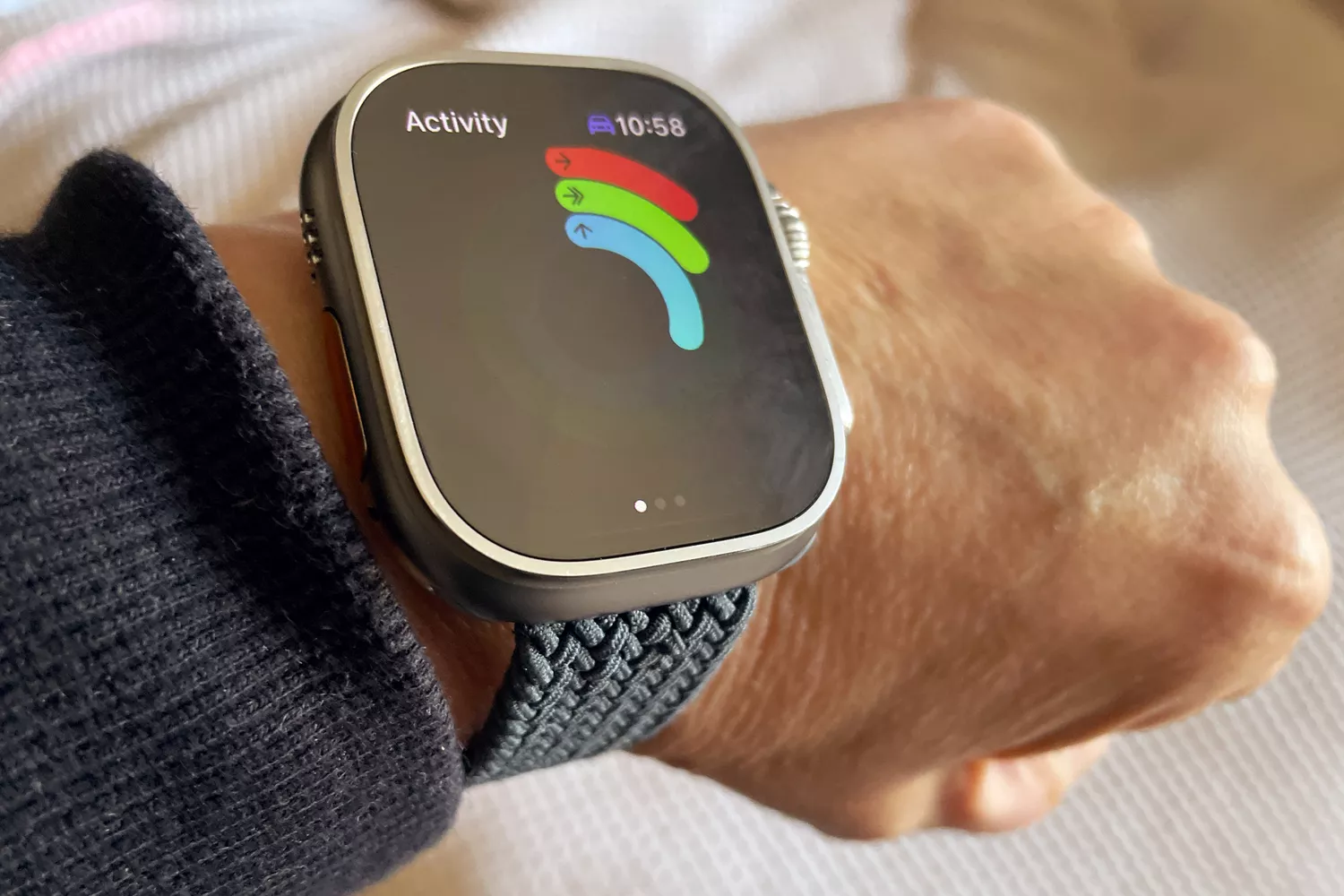
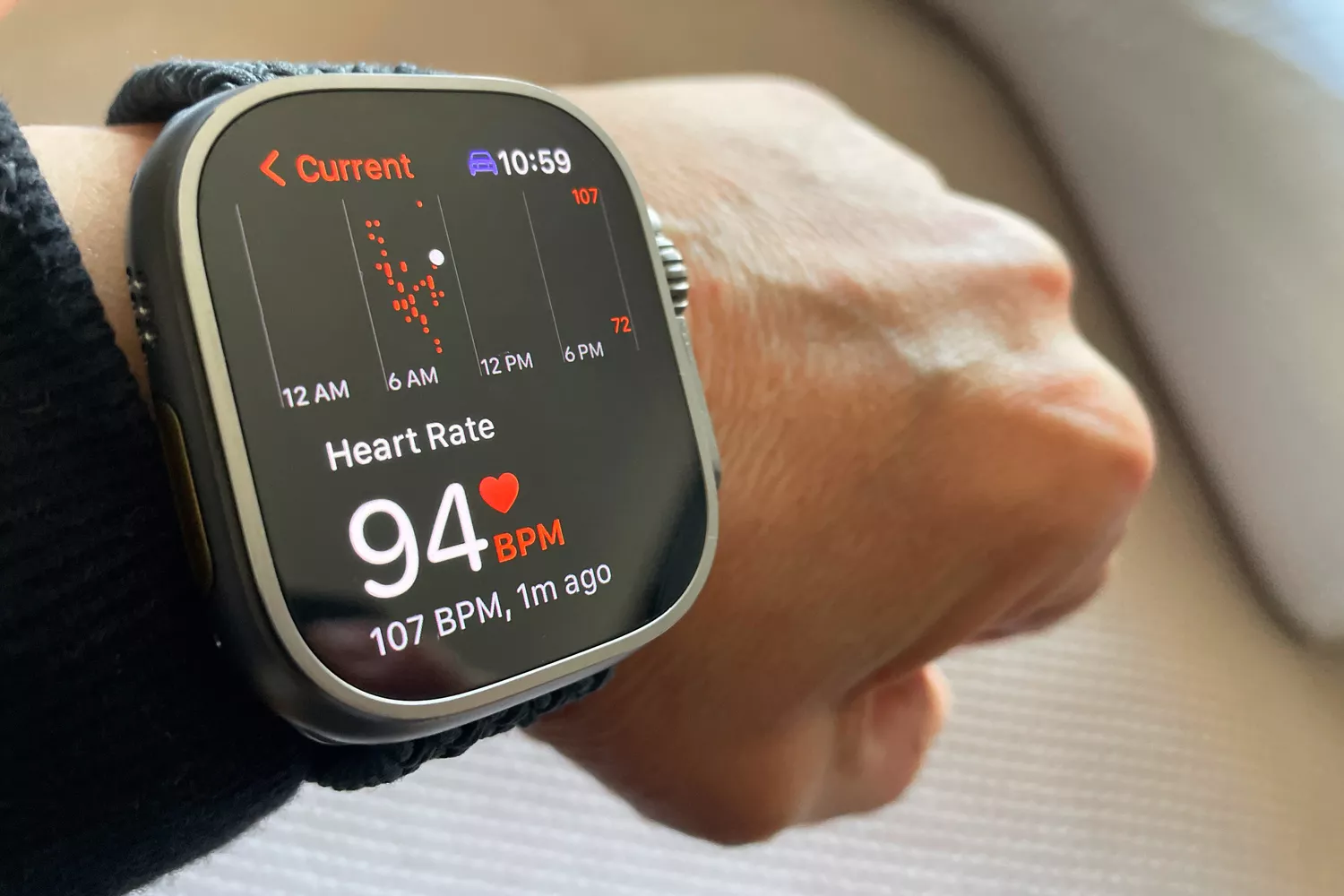
When we look beyond the marketing gloss, the raw data reveals a performance gap in biometric monitoring. Clinical research comparing wrist-worn wearables has found that the Apple Watch consistently demonstrates higher heart rate accuracy during exercise, with an error rate of 2.4% to 5.1%. Fitbit devices, while excellent for resting metrics, showed a wider error range of 3.9% to 13.5% during high-intensity training.
| Metric | Apple Watch Series 11 / Ultra 3 | Fitbit Sense 2 / Charge 6 |
|---|---|---|
| Heart Rate Accuracy (High Intensity) | High (Verified 2.4% - 5.1% error) | Moderate (Verified 3.9% - 13.5% error) |
| GPS Tracking | Dual-Frequency (Ultra 3) | Built-in / Phone-tethered |
| Sleep Tracking | Advanced (Stages & Respiratory) | Industry-Leading (Sleep Architecture) |
| Recovery Metrics | Vitals App / Training Load | Daily Readiness Score |
For serious athletes, the Apple Watch Series 11 vs Fitbit Sense 2 for serious athletes debate usually swings toward Apple. The inclusion of dual-frequency GPS in the Ultra series and the refined algorithms in the Series 11 make it a more reliable tool for marathon training or competitive cycling. However, Fitbit excels in long-term health trends. Their platform is designed to visualize wellness over months rather than just minutes. Fitbit’s ability to track sleep architecture—breaking down light, deep, and REM stages with high precision—remains a gold standard for users focused on recovery and lifestyle adjustment.
Battery Life Comparison: 24 Hours vs. 7 Days
The most significant pain point for most wearable users is power management. The Fitbit vs Apple Watch battery life comparison for 2026 models shows that the gap remains wide. The Apple Watch Series 10 and Series 11 provide a battery life of up to 18 hours under normal use. Even with the Low Power Mode, most users find themselves charging their watch every single morning or evening.
Fitbit occupies a different reality. The Fitbit Charge 6 offers a significantly longer runtime of up to 7 days on a single charge. More basic models like the Inspire 3 can even stretch toward 10 days.
- Apple Watch Series 11: 18-24 hours (Daily charging required)
- Apple Watch Ultra 3: 36-60 hours (Every 2-3 days)
- Fitbit Charge 6: 7 days (Weekly charging)
- Fitbit Sense 2: 6 days (Weekly charging)
This difference changes how you use the device. Because Fitbit doesn't need to be on a charger every night, it provides more consistent health and fitness tracking accuracy for sleep. When a device spends several hours a day on a nightstand, you lose vital data on resting heart rate and recovery biometrics. For many, the convenience of weekly charging outweighs the more frequent updates and flashier screen of the Apple Watch.
Price and Value: From Budget Trackers to Premium Flagships
Price is often the ultimate filter for consumers. The two brands compete at very different price tiers, though there is some overlap in their flagship models.
The Entry Level In the battle of the Fitbit Inspire 3 vs Apple Watch SE 3 price and value, Fitbit wins on affordability. The Inspire 3 is a dedicated fitness tracker that provides all the essential metrics—steps, heart rate, and sleep—for a fraction of the cost of an Apple Watch. The Apple Watch SE 3, while more affordable than the flagship Series 11, still demands a premium for its smart features and ecosystem integration.
The Flagships When comparing the Fitbit Sense 2 vs Apple Watch Series 11 for serious athletes, the prices get closer, often sitting within $100 of each other. Here, you are paying for two different philosophies. With Apple, you pay for a powerful computer on your wrist that happens to track fitness. With Fitbit, you pay for a sophisticated health sensor that happens to tell the time.
Subscription Services Don't forget the hidden costs. Fitbit Premium offers advanced "Daily Readiness" scores and detailed sleep breakdowns for a monthly fee. Apple Fitness+ offers high-production workout videos and deep integration with the Apple ecosystem. Both brands are increasingly moving toward a "hardware + service" model.
User Interface and Daily Experience
The daily experience of wearing these devices is shaped by their displays and software. Apple Watch features a stunning, high-brightness display (often reaching 2,000 to 3,000 nits) that is easily readable in direct sunlight. The interface is fluid, powered by custom silicon that makes navigating apps feel as snappy as an iPhone. In 2026, the introduction of the Apple Intelligence "Workout Buddy" has further personalized the experience, providing real-time coaching based on your historical performance.
Fitbit takes a more minimalist approach. Its user interface is designed to stay out of the way. It prioritizes quick glances at your stats rather than deep app interaction. For many, this is a benefit. Fitbit vs Apple Watch user interface and display for beginners often highlights that Fitbit feels less like another "distraction" and more like a tool.
What you'll love about Apple Watch:
- Incredibly smooth haptic feedback.
- Ability to take calls and respond to texts with a full keyboard or voice.
- Deep integration with Apple Music and Apple Pay.
What you'll love about Fitbit:
- Lightweight form factor that is more comfortable for sleeping.
- Simple, wellness-oriented interface that doesn't overwhelm with notifications.
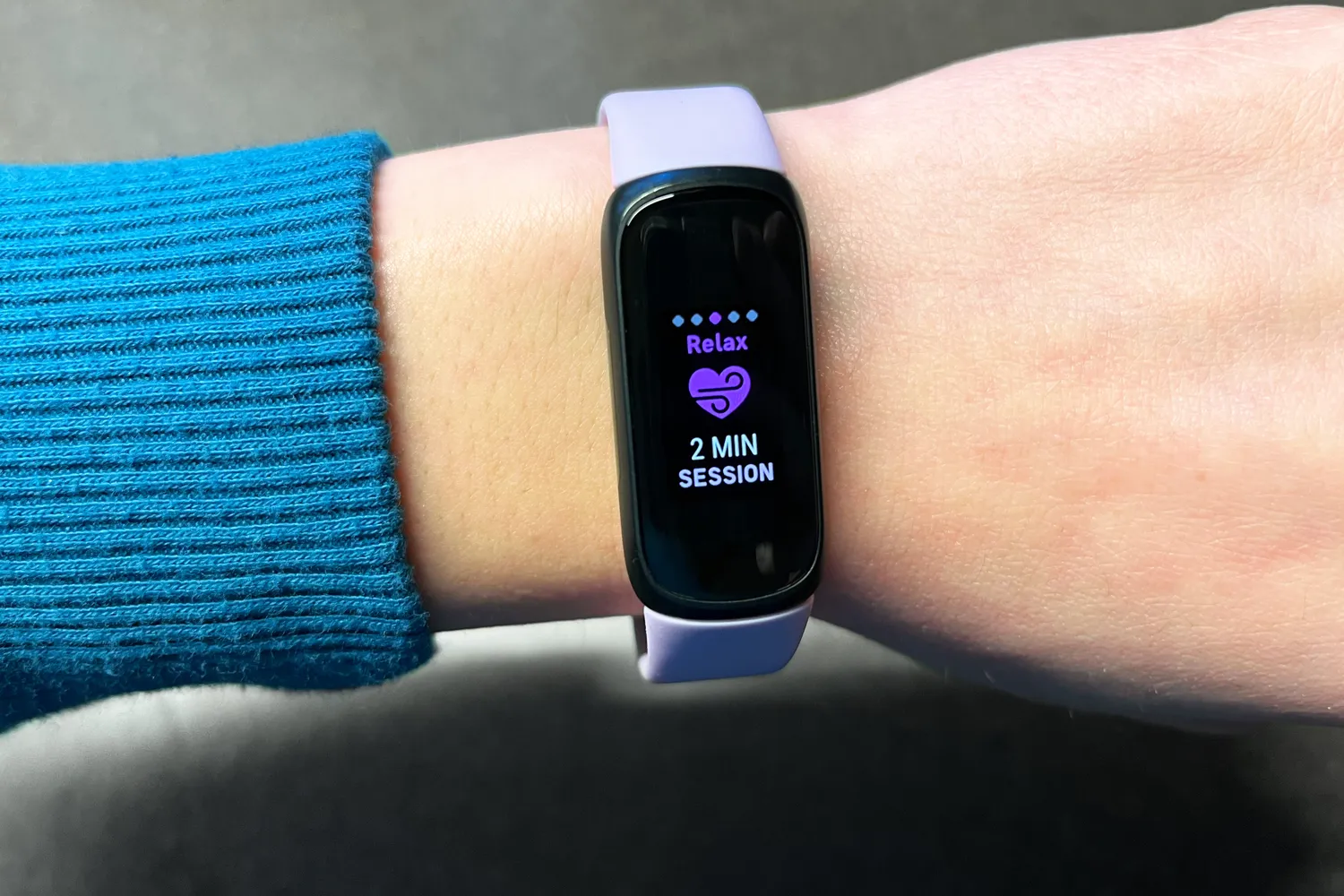
- Dedicated "Relax" and mindfulness sessions built into the core experience.
FAQ
Is Apple Watch better than Fitbit for fitness tracking?
It depends on your goals. Apple Watch is superior for high-intensity training accuracy and GPS reliability. Fitbit is often considered better for holistic wellness, long-term health trends, and those who want a simple way to monitor their daily activity without complex smartwatch features.
Which has a longer battery life, Fitbit or Apple Watch?
Fitbit has a significantly longer battery life. Most Fitbit models last between 6 and 10 days, while the standard Apple Watch requires charging every 18 to 24 hours. Even the rugged Apple Watch Ultra only lasts about 2 to 3 days.
Can I use a Fitbit with an iPhone?
Yes, Fitbit is fully compatible with the iPhone. You simply need to download the Fitbit app from the App Store. You will receive call and text notifications on your wrist, though you cannot reply to them as easily as you can with an Apple Watch.
Does the Apple Watch work with Android phones?
No, the Apple Watch does not work with Android phones. It requires an iPhone for setup, syncing, and most of its core functionality.
Which is better for sleep tracking: Fitbit or Apple Watch?
Fitbit is generally considered better for sleep tracking due to its superior battery life and detailed sleep architecture analysis. Because you don't have to charge it every night, it captures more consistent data, and its "Sleep Score" is widely regarded as one of the most intuitive metrics in the industry.
Is Fitbit cheaper than Apple Watch?
Generally, yes. Fitbit's entry-level trackers start at a much lower price point than the Apple Watch SE. Even Fitbit’s most expensive smartwatches are typically priced lower than the latest flagship Apple Watch models.