Quick Facts
- Prevalence: Approximately 20 million people in the United States between the ages of 20 and 74 are affected by gallstones.
- Risk Factor Mnemonic: Clinicians often use the 5 F's (Female, Forty, Fertile, Fair, and Fat) to identify high-risk profiles.
- Common Procedure: Cholecystectomy is a leading surgical intervention, with 700,000 to 1.2 million surgeries performed annually in the U.S.
- Key Symptom: The most definitive sign is biliary colic, a steady and intense pain in the upper right abdomen.
- Primary Treatment: Management focuses on dietary adjustments or surgical removal via robotic-assisted or laparoscopic methods.
- Healthcare Impact: Gallstone-related issues result in 2.2 million ambulatory care visits every year.
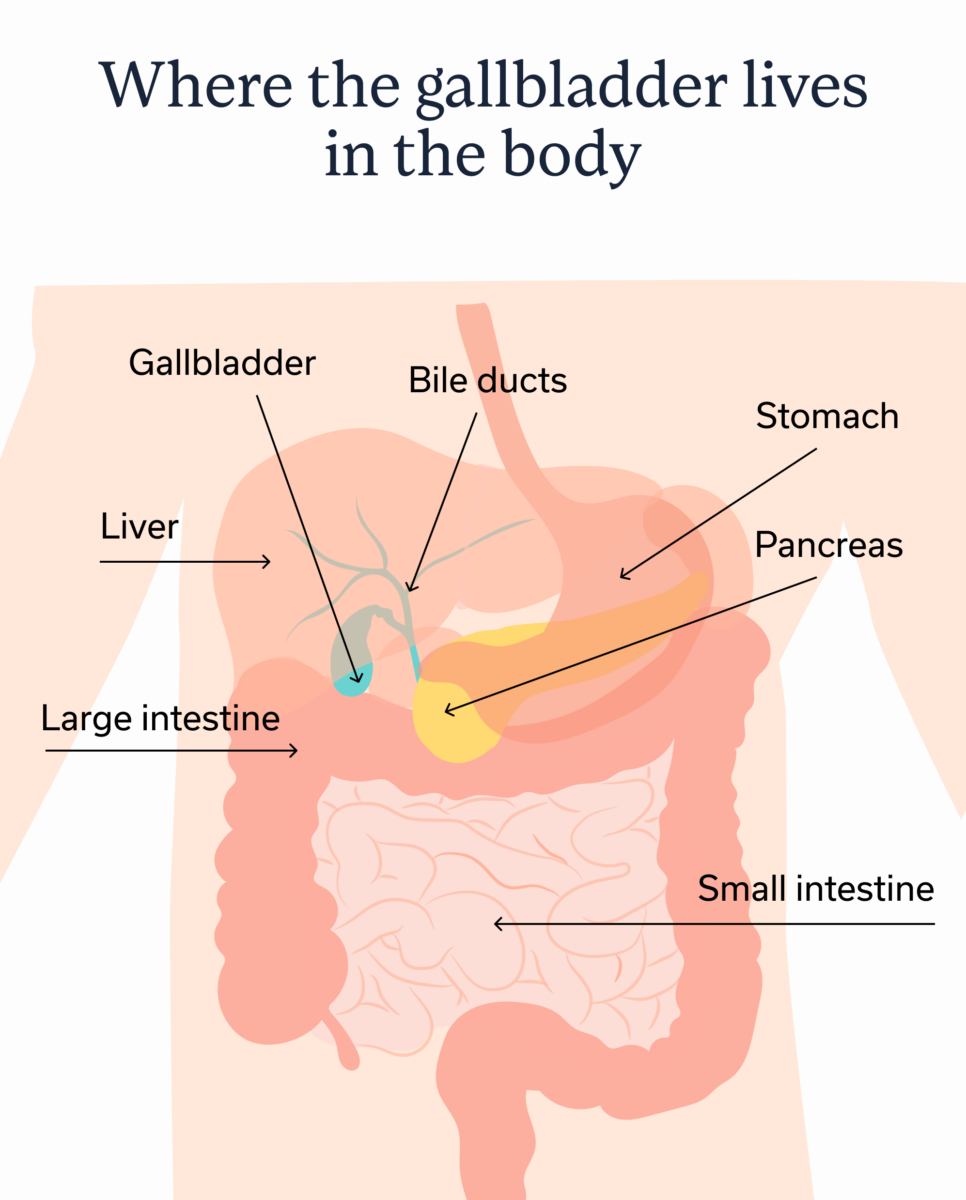
Gallbladder disease refers to a variety of conditions that interfere with the normal function of the gallbladder, often presenting as gallbladder disease symptoms like intense pain in the upper right abdomen known as biliary colic, nausea, and RUQ pain typically triggered by the consumption of high-fat foods. This condition encompasses issues ranging from Cholelithiasis to inflammation of the gallbladder wall, requiring timely medical intervention to prevent complications like a blocked bile duct or infection.
Understanding the Symptoms: From Biliary Colic to Blockages
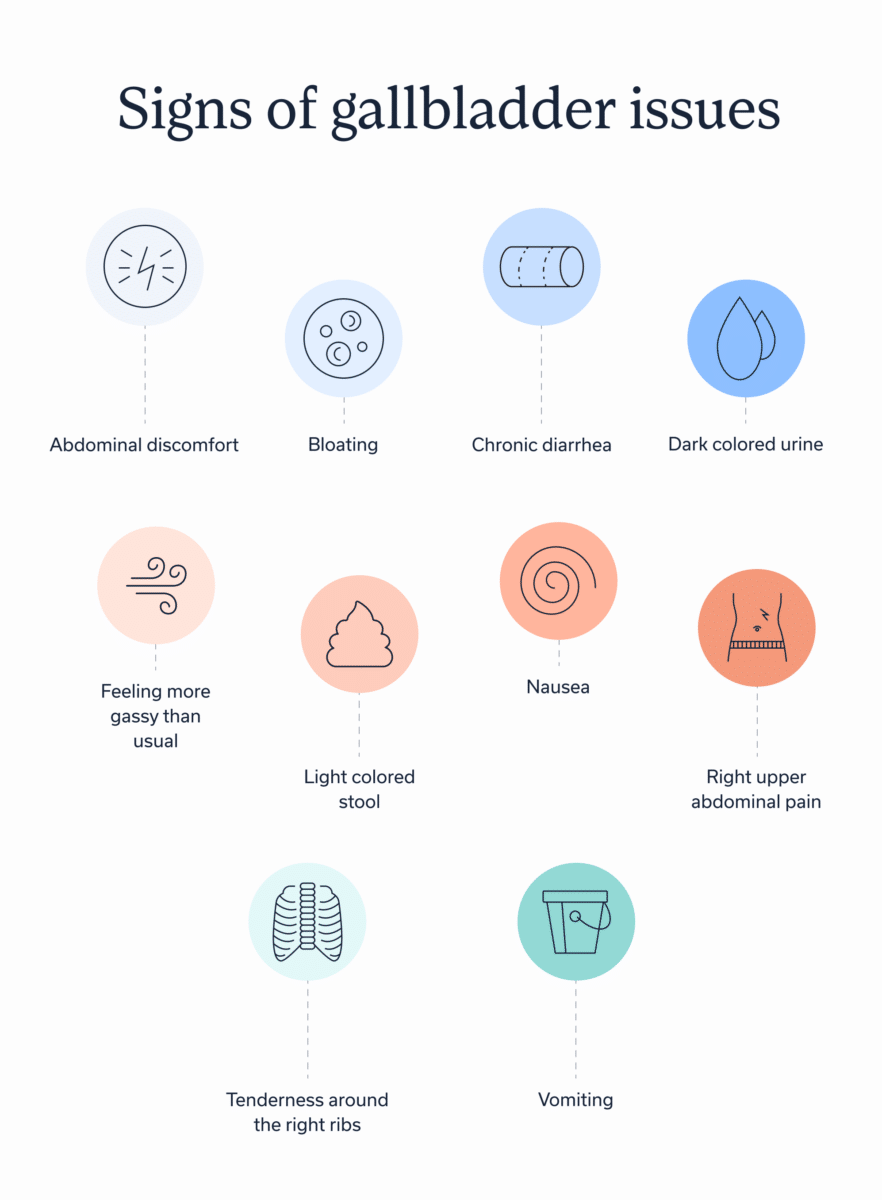
When we talk about gallbladder disease, the conversation usually starts with pain. However, not all abdominal pain is created equal. The hallmark of gallbladder issues is biliary colic. This is not the sharp, stabbing sensation of a muscle cramp; rather, it is a steady, deep ache located in the upper right quadrant of the abdomen. For many patients, this pain begins shortly after a meal—particularly one high in saturated fats—and can last anywhere from thirty minutes to several hours.
While the primary pain is felt in the abdomen, many patients report that the sensation radiates to the right shoulder or between the shoulder blades. During a physical examination, a physician might look for RUQ tenderness or a specific clinical indicator called Murphy's sign. This involves the patient catching their breath when the doctor applies pressure to the gallbladder area during a deep inhale.
Beyond the standard ache, there are gallbladder disease early warning signs that are often overlooked. Chronic indigestion, excessive gas, and persistent bloating are common, but more specific warning signs involve changes in waste elimination. If a stone moves and causes a blockage, you might notice clay-colored stool or dark urine. These "weird" symptoms occur because bile, which gives stool its brown color, is being backed up into the bloodstream or excreted through the kidneys instead of the digestive tract. If a patient develops jaundice—a yellowing of the eyes and skin—along with a fever, it suggests a more dangerous situation like Choledocholithiasis or Biliary pancreatitis.
| Symptom Feature | Gallstones (Biliary Colic) | Cholecystitis (Inflammation) |
|---|---|---|
| Pain Duration | 1–5 hours, then subsides | Persistent, often lasting >6 hours |
| Fever | Usually absent | Common sign of infection |
| Movement | Patient often paces to find comfort | Patient stays very still; movement hurts |
| Nausea/Vomiting | Occasional | Frequent and severe |
| Pain Location | RUQ or Epigastric | RUQ with rebound tenderness |
Who Is at Risk? The 5 F's and Beyond
Medical students have long used the 5 F's to remember the primary gallbladder disease risk factors: Female, Forty, Fertile, Fair, and Fat. While this mnemonic is helpful for identifying a classic demographic, modern science shows that the risk landscape is much broader. Obesity is a significant driver, as it can lead to higher cholesterol levels in the bile, which eventually crystallize into stones.
Interestingly, it is not just weight gain that poses a threat. Rapid weight loss is a major trigger for gallbladder issues. When the body breaks down fat quickly during a crash diet or after bariatric surgery, the liver secretes extra cholesterol into the bile. Studies suggest that individuals undergoing rapid weight loss see a 30% to 71% increase in the risk of developing gallstones. This is often due to the formation of Biliary sludge—a thick mixture of cholesterol crystals and calcium salts that can eventually harden into stones.
Metabolic syndrome, characterized by high blood pressure, high blood sugar, and unhealthy cholesterol levels, also creates a perfect storm for gallbladder disease risk factors for rapid weight loss and stone formation. While genetics and ethnicity play a role that we cannot change, managing metabolic health through nutrition remains one of the most effective ways to lower individual risk.
Diagnosing Gallbladder Issues: Clinical & Functional Approaches
If you present with RUQ tenderness, your diagnostic journey will likely involve a combination of blood work and imaging. When diagnosing gallbladder issues, the first step is often a series of blood tests for diagnosing gallbladder issues. These tests check for elevated liver enzymes, such as ALP or ALT, and bilirubin levels. High levels of these markers can indicate that a stone is obstructing the bile duct or that the gallbladder is severely inflamed.
Imaging remains the gold standard for confirmation. An abdominal ultrasound is usually the first line of defense because it is non-invasive and highly effective at spotting Cholelithiasis and measuring the thickness of the gallbladder wall. However, ultrasound has its limits; it might miss very small stones or functional issues.
When the gallbladder looks normal on an ultrasound but the patient still has classic symptoms, a HIDA scan is often ordered. This is a functional test where a radioactive tracer is injected to track the flow of bile. It allows doctors to calculate the gallbladder's ejection fraction—essentially how well it squeezes. A low ejection fraction may indicate Biliary dyskinesia, a condition where the gallbladder doesn't empty properly. In more complex cases involving the common bile duct, an ERCP procedure may be used to both visualize and potentially remove a blockage.
Modern Treatment: Robotic vs. Laparoscopic Surgery
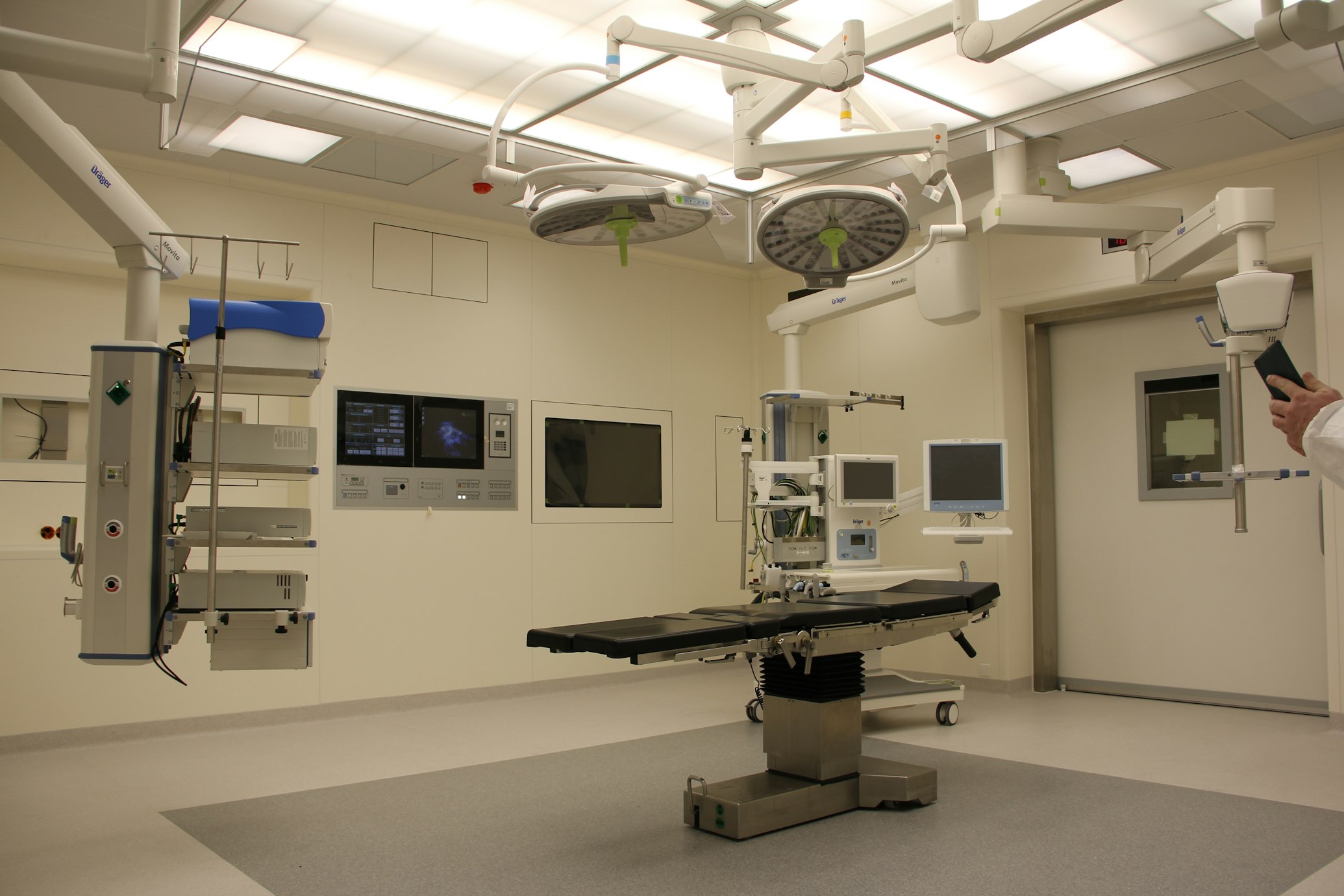
Once gallbladder disease is confirmed and symptoms are recurrent, the standard recommendation is usually gallbladder removal, or cholecystectomy. The gallbladder is not an essential organ; the liver continues to produce bile, which then drips directly into the small intestine. For decades, the laparoscopic cholecystectomy has been the mainstay. This involves several small incisions through which a camera and tools are inserted.
However, many modern surgical centers now offer robotic-assisted surgery. Robotic gallbladder surgery benefits and recovery are often cited as superior due to the increased precision and 3D visualization available to the surgeon. The robotic platform allows for a greater range of motion than human hands in tight spaces, which can minimize trauma to the surrounding tissues.
| Feature | Laparoscopic Cholecystectomy | Robotic-Assisted Surgery |
|---|---|---|
| Incision Size | Several small (0.5–1 cm) cuts | Similar small incisions |
| Visualization | 2D Monitor | 3D High-Definition |
| Precision | Manual tool manipulation | Computer-enhanced dexterity |
| Recovery Time | 1–2 weeks | 1–2 weeks (often with less pain) |
| Complexity | Standard for most cases | Ideal for complex anatomy or scarring |
For those who are not candidates for surgery, doctors may suggest how to prevent gallbladder attacks naturally or use medications like Ursodeoxycholic acid to slowly dissolve cholesterol stones. However, these nonsurgical options are usually less effective and stones often return once the medication is stopped.
Post-Surgical Care and Management
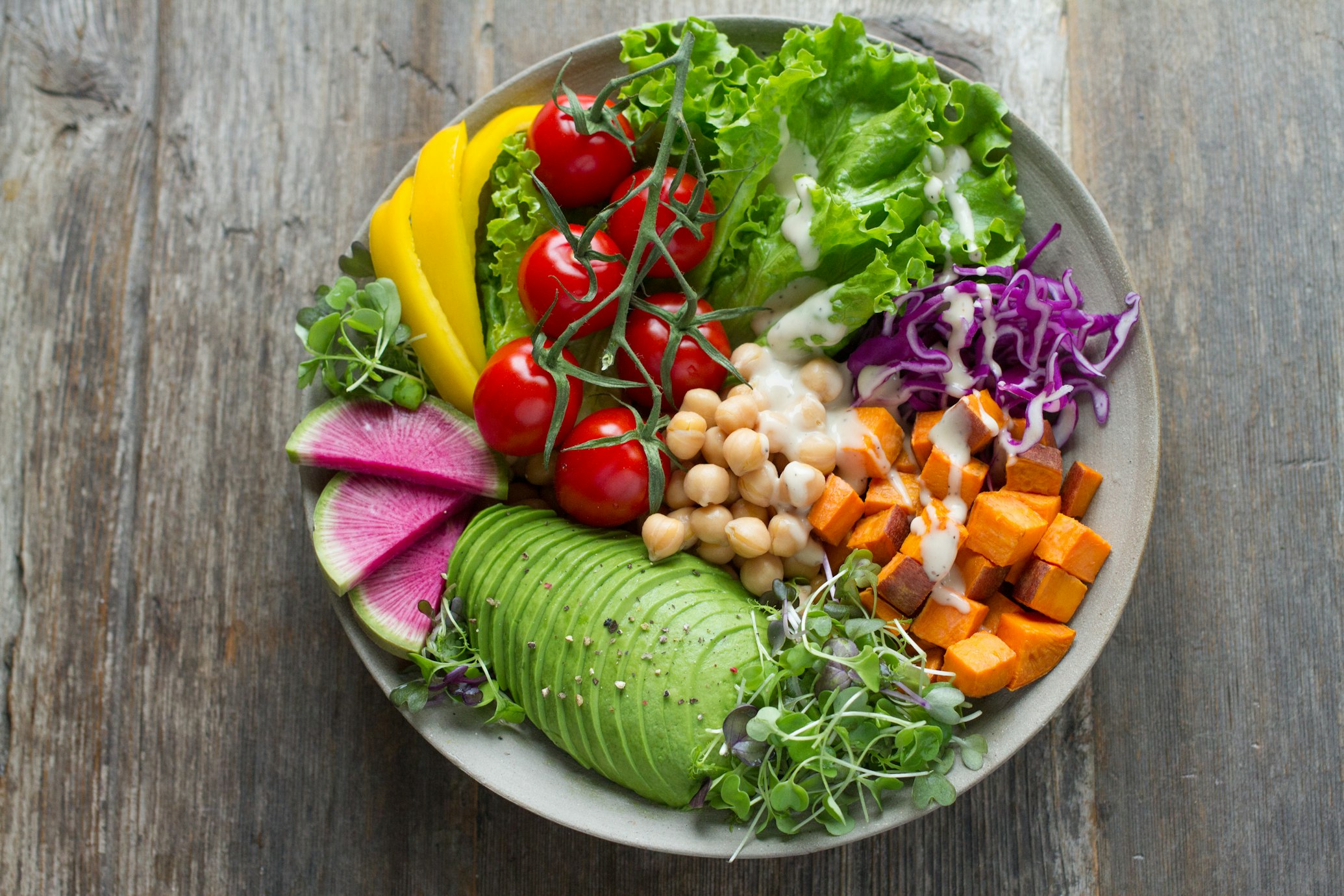
Life after gallbladder removal requires a period of adjustment for the digestive system. Without a storage tank for bile, your body may struggle to process large amounts of fat at once. Implementing specific dietary changes for gallbladder disease management can prevent common post-op issues like diarrhea or bloating.
In the first few weeks, focus on low-fat proteins and small, frequent meals. Gradually increasing your intake of soluble fiber is also beneficial, as it helps regulate bowel movements and binds to excess bile. Some patients find that taking supplemental bile salts helps them digest fats more efficiently if they continue to experience discomfort. While most people return to a normal diet within a month, it is important to monitor for Post-Cholecystectomy Syndrome, a condition where gallbladder-like pain persists even after the organ is gone. Maintaining post-gallbladder removal digestive health tips, such as staying hydrated and avoiding heavy, fried foods, is key to long-term comfort.
FAQ
What are the first signs of gallbladder disease?
The earliest signs often include a feeling of fullness or bloating after eating, particularly after a heavy or greasy meal. You may experience mild nausea or a dull ache in the upper right side of your stomach that comes and goes, which is often a precursor to more intense biliary colic episodes.
Where is gallbladder pain usually located?
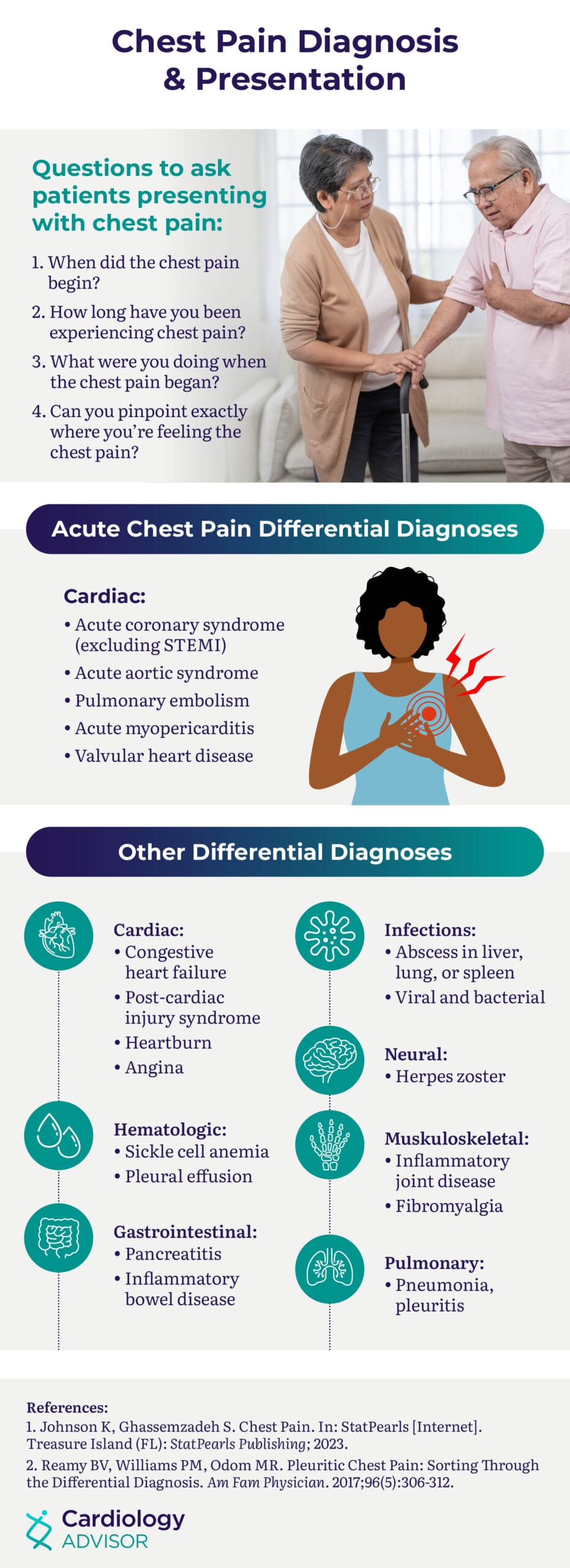
Gallbladder pain is typically concentrated in the upper right quadrant of the abdomen, just below the ribs. It is not uncommon for this pain to radiate to the right shoulder blade or even the center of the chest, which sometimes causes patients to mistake a gallbladder attack for a heart attack.
Can gallbladder disease be treated without surgery?
In some cases, yes, though it depends on the severity. If the stones are small and cholesterol-based, medications can be used to dissolve them. Additionally, strictly following dietary changes for gallbladder disease management—such as a low-fat, high-fiber diet—can manage symptoms, but surgery is usually the only permanent cure for recurrent attacks.
What triggers a gallbladder attack?
The most common trigger is a high-fat or large meal. When you eat fat, the body releases a hormone that tells the gallbladder to contract and release bile. If stones are present, these contractions can push a stone against the opening of the gallbladder or into a duct, causing the intense pain associated with an attack.
What foods should I avoid if I have gallbladder issues?
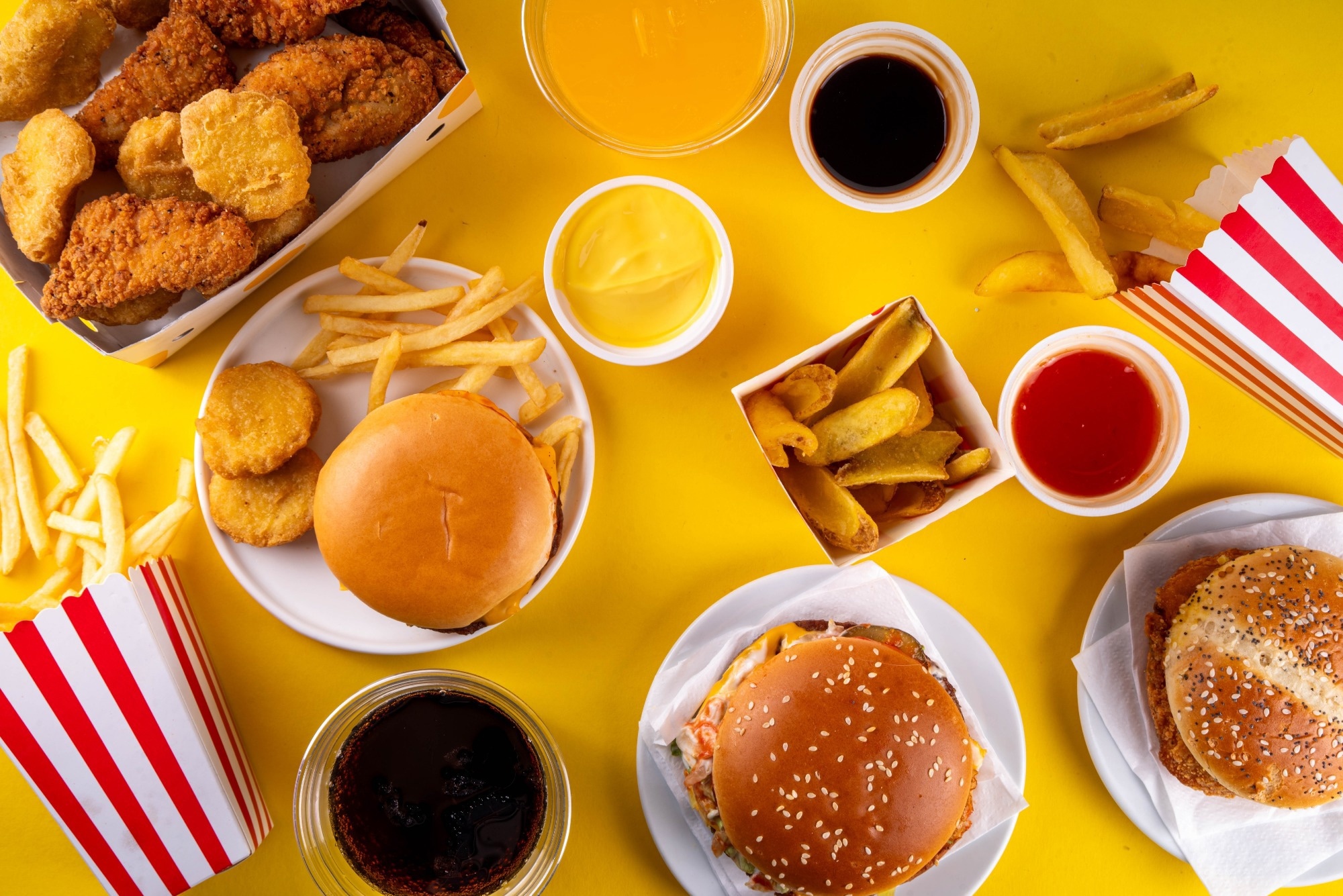
You should primarily avoid high-fat foods, including fried items, fatty cuts of meat, heavy creams, and highly processed snacks. Many patients also find that gas-producing foods like cabbage or very spicy dishes can exacerbate their discomfort during an active flare-up.
How do doctors test for gallbladder disease?
Physicians use a multi-step approach beginning with a physical exam to check for RUQ tenderness. This is usually followed by an abdominal ultrasound to look for stones and blood tests for diagnosing gallbladder issues to check liver function. If those are inconclusive, a HIDA scan may be performed to evaluate how well the gallbladder is functioning.
If you are experiencing persistent RUQ pain or have noticed symptoms of a blocked bile duct like jaundice, it is vital to consult a Gastroenterologist. Early intervention can prevent the progression from simple stones to more serious conditions like Biliary pancreatitis or infection. Understanding your risk factors and seeking the right diagnostic tests is the first step toward reclaiming your digestive health.