Quick Facts
- Primary Cause: Biliary supersaturation where cholesterol levels exceed the solubility limit of bile salts in the fluid.
- Prevalence: Gallstone disease currently affects an estimated 10% to 15% of the United States adult population, which accounts for nearly 25 million people.
- Common Type: Approximately 75% to 80% of gallstones in adults in the United States are cholesterol stones.
- Silent Stones: Approximately 80% of individuals with gallstones are asymptomatic and may never require clinical intervention.
- Pigment Stones: While cholesterol stones dominate, pigment gallstones composed of bilirubin account for about 20% of cases.
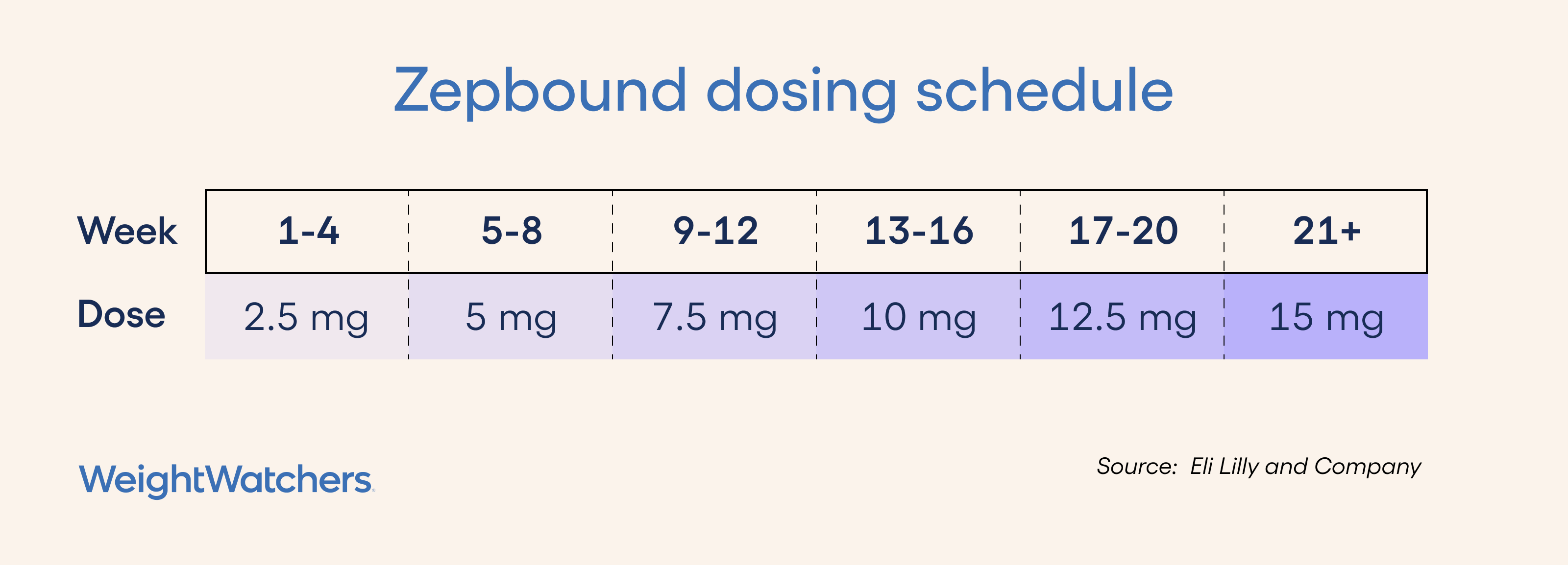
- Top Risk Factor: Rapid weight loss exceeding 1.5kg per week significantly increases the risk of stone formation.
- Actionable Insight: Regular physical activity and exercise can reduce the risk of developing symptomatic gallstones by as much as 34%.
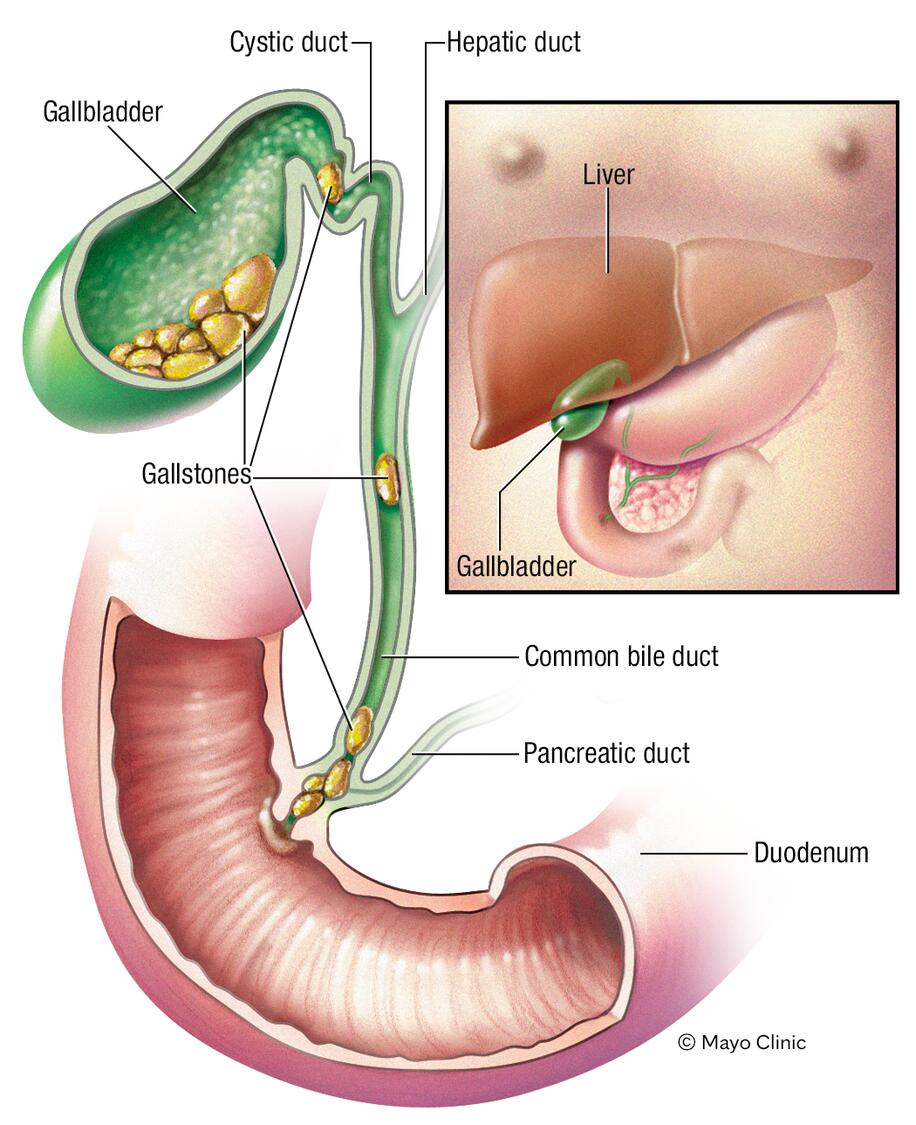
Gallstone causes are primarily linked to a chemical imbalance in the bile, specifically when the liver secretes more cholesterol than bile salts can dissolve. This state of biliary supersaturation leads to the formation of microscopic crystals that eventually aggregate into solid stones within the gallbladder.
The Chemistry of Bile: Cholesterol vs. Bile Salts
To understand why gallstones form, we have to look at the gallbladder not just as a storage pouch, but as a complex chemical processing plant. Bile is a digestive fluid produced by the liver, consisting of about 84.3% water, 12% bile salts, and a small but critical 0.7% cholesterol. Its primary job is to emulsify fats, making them absorbable by the small intestine. Think of bile salts as a high-quality detergent; they keep cholesterol, which is naturally oily and insoluble in water, dissolved in a liquid state.
This "Solubility Solution" works perfectly as long as the ratios remain balanced. However, when the liver begins to hypersecrete cholesterol—often derived from high-density lipoprotein (HDL) pathways—the bile becomes "lithogenic," or stone-forming. When the cholesterol concentration exceeds what the bile salts and lecithin can hold in suspension, we reach a state of biliary supersaturation.
The difference between cholesterol and pigment gallstone causes lies in the "solute" that crashes out of the liquid. While cholesterol stones are the result of fatty imbalances, pigment stones are formed from excess bilirubin, often seen in patients with liver cirrhosis or chronic blood disorders. For the average consumer, however, the focus remains on the cholesterol gallstone formation process, which is heavily influenced by metabolic health and the lithogenic index of the bile.
From Sludge to Stone: The Mechanism of Formation
The journey from healthy bile to a painful gallstone involves a four-stage progression: hypersecretion, supersaturation, crystal nucleation, and stasis. Once the bile is supersaturated with cholesterol, the excess molecules begin to clump together. This process, known as crystal nucleation, occurs when microscopic solid particles form within the fluid.
These crystals don't immediately become stones. Instead, they often get trapped in a thick, sticky layer of mucin glycoproteins on the gallbladder wall. This mixture of mucus and microscopic crystals is what medical professionals call gallbladder sludge. If the gallbladder functions correctly, it regularly flushes this sludge out into the digestive tract.
However, when gallbladder emptying becomes sluggish—a condition known as biliary stasis—the sludge remains in the organ for too long. This stagnation provides the necessary window for crystals to grow, fuse, and harden into macroscopic stones. Factors that impair gallbladder motility, such as hormonal shifts or prolonged fasting, are major contributors to this mechanical failure. Furthermore, certain lytic enzymes in the gallbladder wall can alter the chemical environment, making it even easier for crystals to precipitate.
Understanding Risk Factors: Why Stones Form
The development of gallstones is rarely the result of a single event; rather, it is the culmination of various unmodifiable and modifiable risk factors. Clinicians often refer to the "Five Fs" to identify the classic high-risk profile: Female, Forty, Fertile, Fat, and Fair (or Family history). While this mnemonic is a simplified tool, the underlying science supports these categories.
Unmodifiable Biological Factors
Age and genetics play a significant role in determining your susceptibility. As we age, the liver tends to secrete more cholesterol while bile acid synthesis naturally slows down. Genetic heritage is also a powerful predictor; for instance, certain populations like the Pima Indians have a remarkably high prevalence of gallstones due to genetic predispositions in hepatic cholesterol secretion.
For women, the risk is significantly higher due to the influence of estrogen and progesterone. Estrogen increases the amount of cholesterol in the bile, while progesterone can reduce gallbladder motility by relaxing the smooth muscles of the gallbladder wall. This explains why pregnancy and hormone replacement therapy are often associated with gallstone causes.
Modifiable Metabolic Factors
Metabolic syndrome is perhaps the most significant modifiable driver of stone formation. There is a profound connection between insulin resistance and gallstones; high insulin levels signal the liver to ramp up cholesterol production while simultaneously interfering with the bile acid sequestration process. Truncal obesity, characterized by excess abdominal fat, further compounds this risk by altering the chemical composition of bile.
Paradoxically, how you lose weight matters as much as how much you weigh. Many people wonder why rapid weight loss causes gallstones. When the body breaks down fat rapidly during a "crash diet," the liver secretes extra cholesterol into the bile. Simultaneously, if the diet is extremely low in fat, the gallbladder doesn't receive the hormonal signal to contract and empty, leading to the perfect storm of supersaturation and stasis.
Prevention and Proactive Care
While you cannot change your genetics or your age, there are natural ways to improve gallbladder motility and maintain a healthy bile balance. Maintaining a consistent, moderate pace of weight loss (no more than 1-1.5kg per week) is essential for preventing the surge in biliary cholesterol.
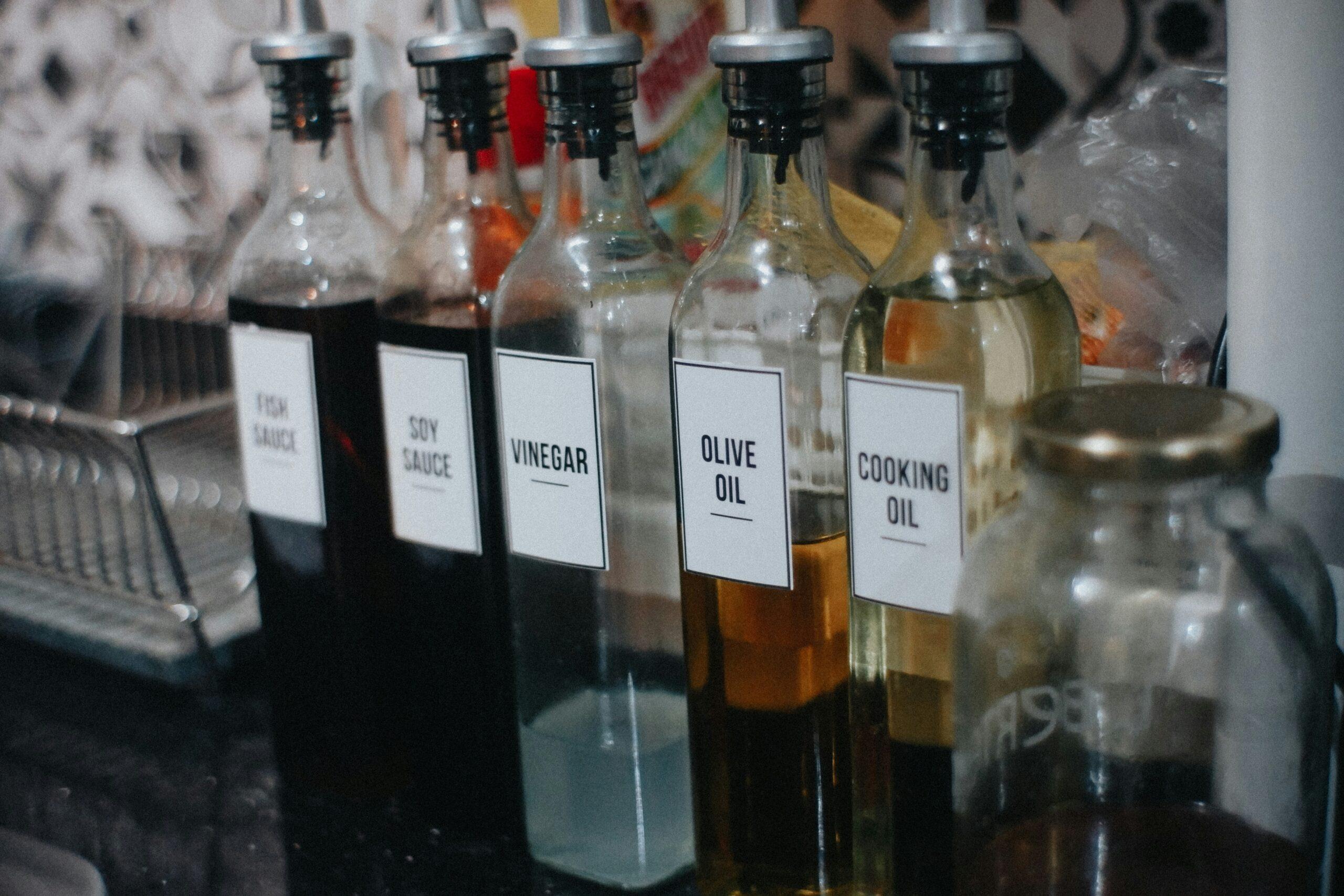
Dietary fiber is another powerful tool; it binds to bile acids in the gut, encouraging the liver to use up more cholesterol to create new bile salts. Additionally, healthy fats—like those found in olive oil or nuts—are necessary to trigger the release of cholecystokinin (CCK), the hormone responsible for gallbladder emptying. This ensures that bile is regularly cycled and doesn't have time to form gallbladder sludge.
If you are at high risk due to metabolic syndrome or a family history of gallstone causes, consulting with a healthcare professional about your lithogenic index and metabolic health is a vital step in long-term prevention.
FAQ
What is the main cause of gallstones?
The primary cause of most gallstones is a chemical imbalance in the bile where the liver secretes more cholesterol than the available bile salts can dissolve. This leads to a state called biliary supersaturation, where excess cholesterol forms crystals that eventually harden into stones.
Can a high-fat diet cause gallstones?
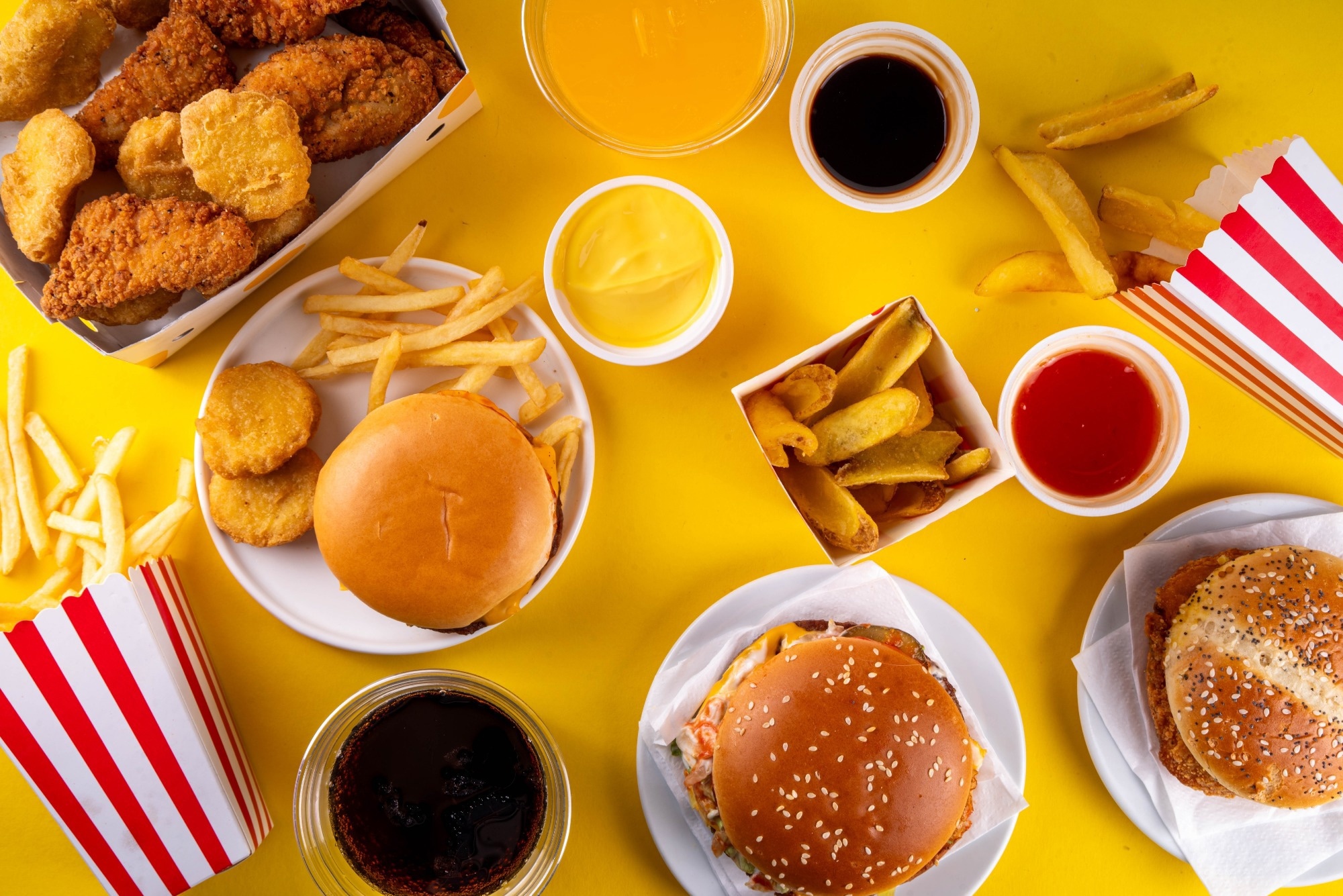
A high-fat diet can contribute to gallstones by increasing cholesterol levels and promoting obesity, both of which raise the concentration of cholesterol in bile. However, a diet that is too low in fat can also be problematic because it prevents the gallbladder from contracting and emptying, which leads to bile stagnation and stone formation.
Who is most at risk for developing gallstones?
Individuals most at risk include those over the age of 40, people assigned female at birth (due to estrogen's effect on cholesterol), and those living with obesity or metabolic syndrome. Genetics and a family history of gallstone disease also significantly increase an individual's susceptibility.
Does rapid weight loss lead to gallstones?
Yes, rapid weight loss is a major trigger for stone formation. When the body burns fat quickly, the liver releases extra cholesterol into the bile. If the weight loss is achieved through a very low-calorie or fat-free diet, the gallbladder may not empty frequently enough, allowing that extra cholesterol to form crystals and stones.
Are gallstones hereditary?
There is a strong genetic component to gallstone disease. If a first-degree relative has had gallstones, your risk of developing them is significantly higher. Certain ethnic groups also have genetic variations that cause their livers to naturally secrete higher levels of cholesterol into the bile.