Quick Facts
- Risk Factor: A 9.09 times higher risk of pancreatitis compared to other weight loss medications.
- Gastroparesis Rate: Affects approximately 5.1% of users, characterized by severe stomach paralysis.
- Diagnosis Gold Standard: The Gastric Emptying Study (GES) is required for a definitive diagnosis of stomach paralysis.
- Critical Targets: Maintaining 64oz of hydration and consuming 80-120g of protein daily helps manage digestive strain.
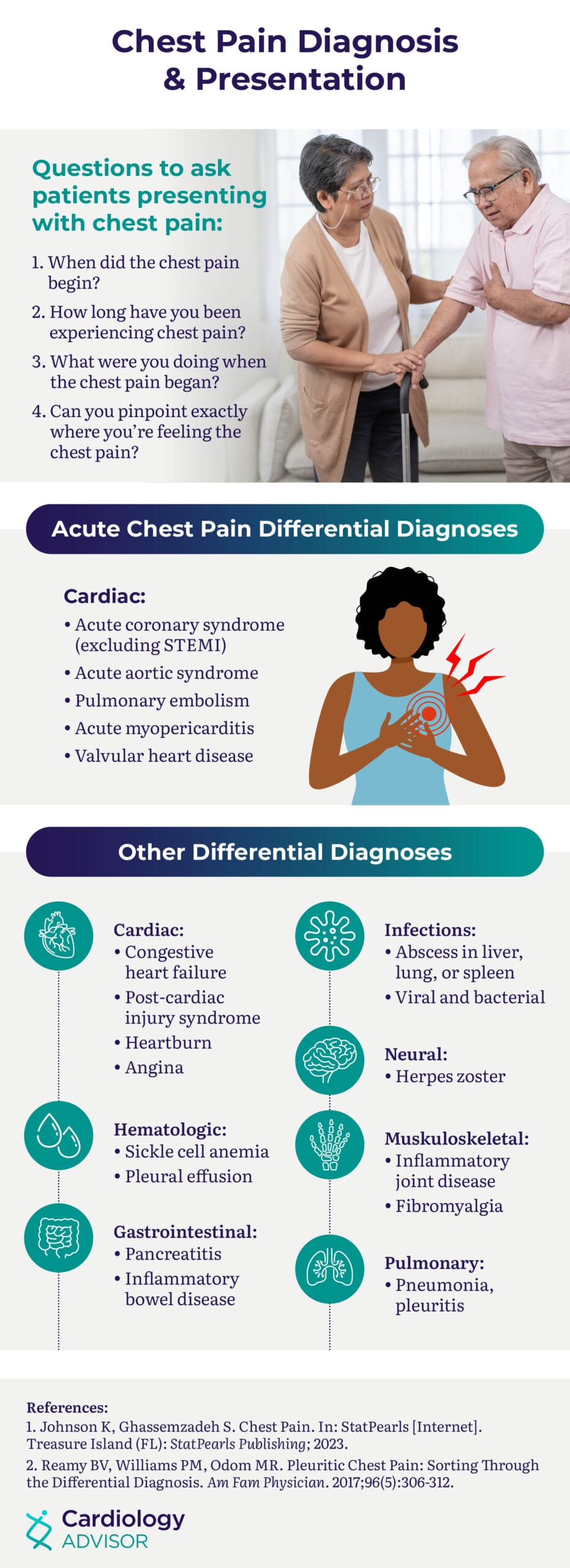
- Emergency Symptoms: Severe abdominal pain radiating to the back or an inability to pass gas requires immediate ER evaluation.
While common glp-1 side effects like nausea are well-known, serious glp-1 gastrointestinal complications like gastroparesis and pancreatitis require immediate attention. Understanding the emergency signs of glp-1 side effects is critical for safe weight loss and maintaining long-term digestive health while using these powerful medications.
Serious gastrointestinal complications associated with GLP-1 medications include gastroparesis, acute pancreatitis, gallbladder disease, and bowel obstructions. While common side effects like nausea and bloating are often mild and temporary, these four conditions require immediate medical evaluation due to their potential severity and impact on long-term digestive health.
Understanding the Risk: Common vs. Serious GI Effects
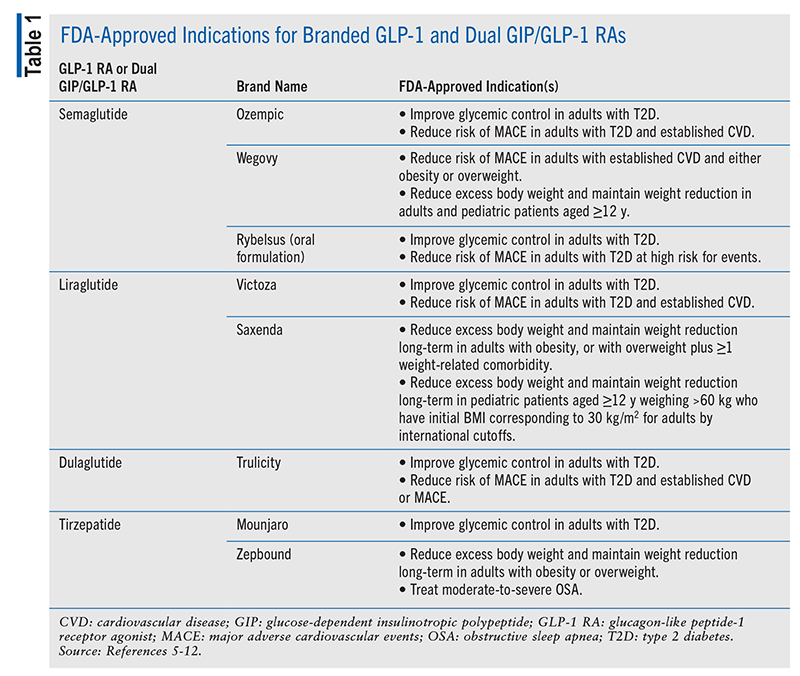
As a gut health editor, I often see patients confuse the "normal" effects of weight loss drugs with the red flags of a serious medical emergency. These medications, known as incretin mimetics, work by mimicking hormones that tell your brain you are full while simultaneously slowing down your gastric motility. This slowed digestion is actually a feature of the drug, not a bug. However, there is a fine line between a stomach that is moving slowly and a stomach that has stopped moving entirely.
Data suggests that while up to 43.9% of users may experience some level of nausea during the titration period, most of these symptoms are manageable and dissipate as the body adjusts. The danger arises when the digestive system becomes pathologically compromised. We are moving beyond the realm of simple dietary changes to reduce glp-1 nausea and bloating and into the territory of structural or inflammatory damage.
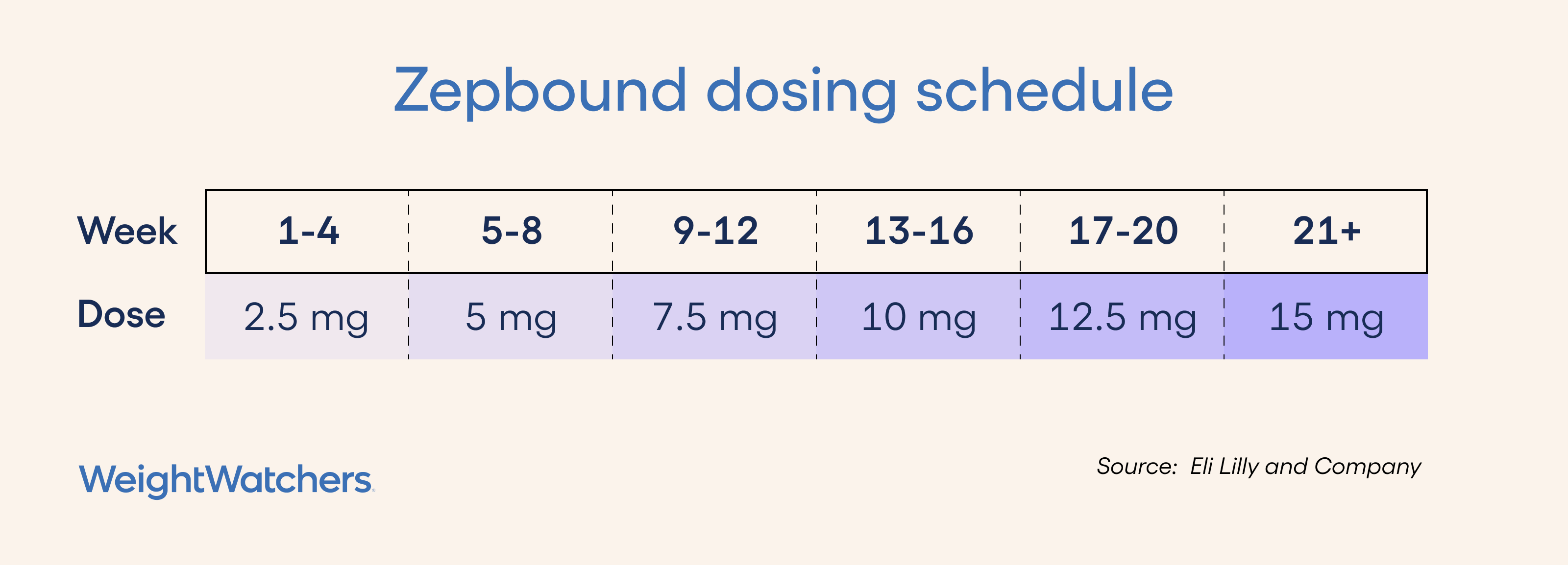
Monitoring your body’s response during the initial dose escalation is vital. It is during these early weeks that your healthcare provider can determine if your body is tolerating the medication or if the drug is placing too much stress on your pancreas or gallbladder.
1. Gastroparesis (Stomach Paralysis)
One of the most concerning glp-1 gastrointestinal complications is gastroparesis, a condition where the stomach muscles become partially paralyzed. While semaglutide and tirzepatide are designed to delay gastric emptying to keep you full longer, gastroparesis occurs when this delay becomes extreme and the stomach can no longer move food into the small intestine at all.
Recent research indicates that GLP-1 users face a 3.67 times higher risk of gastroparesis, with incidence rates reaching approximately 10 cases per 1,000 users for semaglutide and 7 cases per 1,000 users for liraglutide. For some, this "paralysis" can persist even after the medication is discontinued, leading to the 2025 Ozempic label update that warns of these risks.
The gastroparesis symptoms while taking weight loss drugs often include:
- Vomiting undigested food eaten many hours (or even days) prior.
- A feeling of extreme fullness after only a few bites of food.
- Persistent, severe nausea that does not improve with time or dose stabilization.
If you suspect this condition, a gastroenterologist will typically order a Gastric Emptying Study (GES). During this test, you eat a meal containing a tiny amount of radioactive material, and a camera tracks how quickly the food leaves your stomach. If a significant portion remains after four hours, a diagnosis of gastroparesis from weight loss drugs is likely.
2. Acute Pancreatitis
The pancreas is a vital organ that produces digestive enzymes and regulates blood sugar. When it becomes inflamed, it results in a condition called acute pancreatitis. This is perhaps the most documented of the serious glp-1 side effects, as these medications stimulate the pancreas in a way that can occasionally trigger a dangerous inflammatory response.
A study published in JAMA found that individuals using GLP-1 agonists for weight loss had a 9.09 times higher risk of pancreatitis compared to those taking bupropion-naltrexone. This is a staggering statistic that underscores the need for vigilant monitoring.
Identifying pancreatitis symptoms vs normal glp-1 stomach pain is a matter of location and intensity. Typical glp-1 side effects usually manifest as a dull ache or general "queasiness" in the mid-stomach. In contrast, acute pancreatitis causes a sharp, stabbing pain in the upper abdomen that often radiates through to the back. This pain is frequently accompanied by fever and a rapid pulse. If you experience these symptoms, it is considered one of the emergency signs of glp-1 side effects and warrants an immediate trip to the emergency room.
3. Gallbladder Disease and Biliary Issues
Rapid weight loss is a known trigger for gallstones, but GLP-1 medications may add an additional layer of risk. These drugs can decrease the contraction of the gallbladder, allowing bile to sit and crystallize into stones. This category of biliary disease includes cholecystitis (inflammation of the gallbladder) and blocked bile ducts.
While many patients focus on semaglutide, clinical data suggests that tirzepatide may have a slightly different risk profile regarding gallbladder health, often due to the more rapid weight loss seen in clinical trials. Patients taking GLP-1 receptor agonists for weight management were found to have an approximately 1.5 times higher risk of biliary disease, although this specific finding did not reach statistical significance in every analysis.
Common gallbladder pain symptoms on glp-1 medications include:
- Sudden, intensifying pain in the upper right portion of your abdomen.
- Pain in the right shoulder or between the shoulder blades.
- Yellowing of the skin or eyes (jaundice), which indicates a bile duct blockage.
Monitoring these symptoms is essential, as a gallbladder attack can quickly lead to infection or the need for emergency surgery.
4. Intestinal Obstruction (Bowel Blockage)
Perhaps the most physically dangerous complication is a complete intestinal obstruction. This occurs when the digestive tract becomes blocked, preventing food, gas, and fluids from passing through. The biological cause is often a severe ileus, where the muscular contractions (peristalsis) of the intestines slow down so much that a blockage forms.
Research indicates that GLP-1 users face a 4.22 times higher risk of bowel obstruction compared to those on other weight loss therapies. This risk is particularly high for those who already have a history of slow gastric motility or previous abdominal surgeries.
Recognizing the signs of bowel obstruction on weight loss medication is a life-saving skill. Unlike standard constipation, an obstruction usually causes:
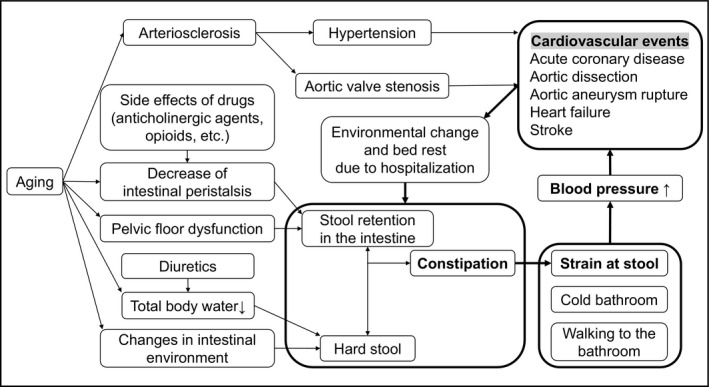
- An absolute inability to pass gas or stool.
- Severe abdominal distention (bloating so extreme the stomach feels hard to the touch).
- Cramping pain that comes in waves.
- Projectile vomiting.
This is a medical emergency. A blockage can cut off blood flow to the intestines, leading to tissue death and a life-threatening infection known as sepsis.
Mitigation: How to Reduce Risks
While these risks are serious, they are also rare. Most patients can successfully navigate their weight loss journey by following a strict risk-mitigation protocol. Managing glp-1 side effects during dose escalation requires a proactive approach to gut health and close communication with your medical team.
Actionable Prevention Checklist:
- Strict Titration Schedule: Never skip a dose or "double up" to speed up weight loss. Follow the gradual titration period recommended by the manufacturer to allow your digestive enzymes and gut microbiome to adapt.
- Hydration is Non-Negotiable: Aim for at least 64oz of water daily. GLP-1 medications can mask thirst cues, and dehydration significantly worsens gastric motility and increases the risk of gallstones.
- Prioritize Protein: Aim for 80-120g of protein daily. This helps maintain muscle mass during rapid weight loss and provides the amino acids necessary for the gut lining to repair itself.
- Monitor Your Output: If you go more than two days without a bowel movement, contact your healthcare provider. Do not wait for severe pain to manifest.
- Consult a Professional: If you have a history of pancreatitis or gastroparesis, these medications may not be right for you. Always discuss your full GI history with your gastroenterologist before starting treatment.
By staying informed and vigilant, you can harness the benefits of these breakthrough medications while protecting your long-term digestive wellness.
FAQ
What are the most common side effects of GLP-1 medications?
The most common side effects are mild to moderate gastrointestinal issues, including nausea, vomiting, diarrhea, and constipation. These typically occur during the titration period as the body adjusts to the medication and often subside over time. Many users also report a feeling of early satiety or a change in how certain foods taste.
What are the serious risks associated with GLP-1 therapy?
The most serious risks include acute pancreatitis, gastroparesis (stomach paralysis), bowel obstructions, and gallbladder disease. While these complications are rare, they are significantly more common in GLP-1 users than in those taking other types of weight loss medications. These conditions require immediate medical intervention and can have long-term health implications.
Is stomach pain a normal side effect of GLP-1?
Mild stomach discomfort, cramping, or a feeling of "heaviness" can be normal as the drug slows down gastric motility. However, severe, sharp, or persistent pain is not normal. Pain that radiates to the back or is concentrated in the upper right quadrant of the abdomen should be evaluated by a healthcare professional immediately to rule out pancreatitis or gallbladder issues.
Why do GLP-1 medications cause digestive issues?
These medications work by mimicking the GLP-1 hormone, which naturally slows down the rate at which the stomach empties into the small intestine. This delayed gastric emptying is intended to increase feelings of fullness. However, in some individuals, this effect is too pronounced, leading to extreme constipation, nausea, or in severe cases, a total cessation of digestive movement known as gastroparesis or ileus.
Are there long-term side effects of GLP-1 drugs?
Since many of these medications are relatively new for weight loss, long-term data is still being collected. However, potential long-term risks include a persistent slowing of the digestive tract and a possible increased risk of thyroid C-cell tumors, based on animal studies. Ongoing research is also looking at the impact of long-term use on the gut microbiome and overall nutrient absorption.