Quick Facts
- Yield: 12 muffins
- Prep Time: 10 mins
- Bake Time: 15-18 mins
- Fiber: 5g per serving
- Protein: 11-16g per serving
- Storage: 3 months in freezer
- Gut Health Focus: High fiber and probiotic-rich ingredients
Start your day with these gut-healthy savoury breakfast muffins. Packed with whole grains and probiotic-rich yogurt, they are the ultimate gut health breakfast recipes for busy mornings. Savoury breakfast muffins promote gut health when made with fiber-rich ingredients like wholemeal flour and seasonal vegetables. Adding natural yogurt to the batter provides beneficial probiotics while ensuring a moist texture. These muffins offer complex carbohydrates and dietary fiber, which support a healthy digestive system and provide sustained energy throughout the morning.

The Gut-Health Connection: Why These Ingredients Work
As someone who spends most of my day looking at microbiome data and supplement efficacy, I cannot stress enough how much your first meal of the day dictates your digestive success. Most traditional breakfast options are either too sugary, which can cause bacterial overgrowth, or too processed, lacking the roughage your gut bacteria crave. These savoury breakfast muffins are designed to be a functional food.
The backbone of this recipe is wholemeal flour. Unlike refined white flour, whole grain flour contains the bran and germ, providing a steady stream of dietary fiber. This fiber acts as a prebiotic, essentially the fuel for the "good" bacteria living in your large intestine. A major study involving over 380,000 participants found that individuals in the highest 20% of dietary fiber intake had a 22% reduced risk of death from all causes compared to those in the lowest 20%. By choosing wholemeal savoury breakfast muffins for gut health, you are making a long-term investment in your longevity.
Furthermore, we swap out heavy vegetable oils for probiotic-rich yogurt. While the heat of the oven will diminish the live cultures, the fermentation process of yogurt changes the protein structure, making it easier to digest. It also helps maintain a perfect moisture balance without the need for saturated fats. When you choose savoury breakfast muffins with yogurt for better digestion, you are creating a more bioavailable nutrient profile for your body to absorb.
Master Recipe: High-Protein Savoury Muffins
Creating the perfect batch requires a balance of wet and dry components. This is not just about flavor; it is about creating a nutrient-dense vessel that keeps you full until lunch. Research has shown that a high-protein breakfast containing at least 30 grams of protein can reduce spontaneous daily calorie intake by an average of 260 kcal by increasing satiety hormones like PYY and GLP-1.
The Ingredients
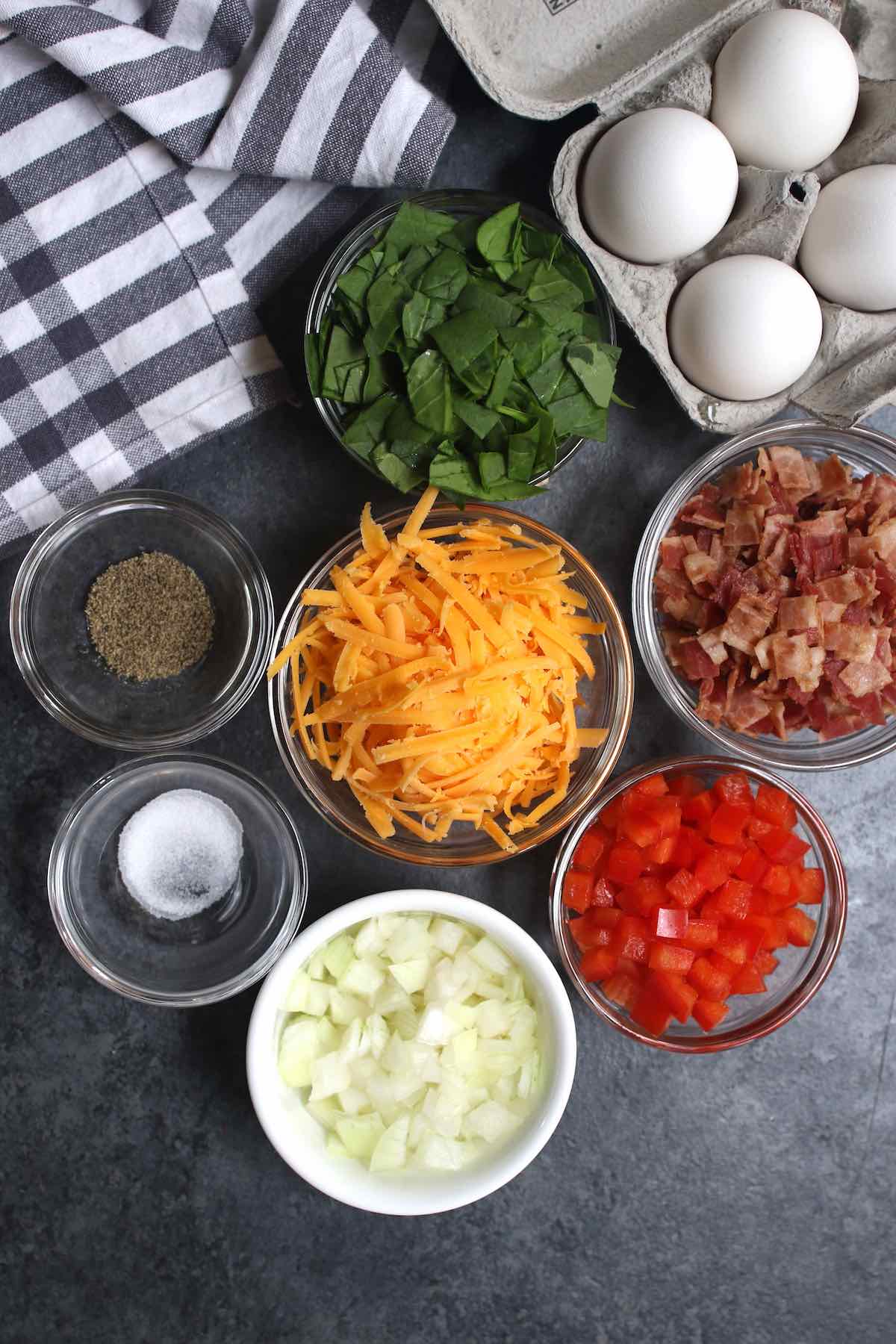
To hit those protein and fiber goals, you will need:
- 250g wholemeal flour (or a gluten-free blend for an easy gluten free savoury breakfast muffins recipe)
- 2 teaspoons baking powder
- 1/2 teaspoon baking soda
- 3 large eggs, beaten
- 200g probiotic-rich yogurt (plain, unsweetened)
- 50ml extra virgin olive oil
- 120g of finely chopped seasonal vegetables (spinach, courgettes, or peppers)
- 100g crumbled feta or lean ham for extra protein
- A pinch of sea salt and cracked black pepper
Step-by-Step Instructions
- Prep the base: Preheat your oven to 180°C (350°F). Line a muffin tin or use silicone muffin molds for easy, non-stick removal.
- Mix dry ingredients: In a large bowl, whisk together the whole grain flour, baking powder, baking soda, and seasoning.
- The Well Technique: Create a well in the center of the flour mixture. This is essential for even hydration and prevents over-mixing, which can lead to a tough texture.
- Combine wet ingredients: In a separate jug, whisk the eggs, yogurt, and olive oil until smooth.
- Fold and Combine: Pour the liquid mixture into the well of the dry ingredients. Gently fold them together until just combined.
- Add the Fillings: Stir in your seasonal vegetables and your choice of protein. Keep your vegetable total to around 120g to ensure the muffins hold their shape.
- Bake: Divide the batter among the 12 muffin cups. Bake for 15-18 minutes until a skewer comes out clean.

Troubleshooting: How to Prevent Sogginess
One of the most common complaints I hear from readers is about the texture of savory baking. Nobody wants a muffin that feels damp or heavy on the bottom. To prevent this, focus on the moisture content of your vegetables.
If you are using high-moisture vegetables like courgettes (zucchini) or spinach, you must prepare them correctly. Grated courgette should be placed in a clean tea towel and squeezed firmly to remove excess water. For spinach, a quick sauté to wilt the leaves, followed by a thorough squeeze, ensures that the extra liquid doesn't seep into the batter during baking.
I also highly recommend using silicone muffin molds. Unlike paper liners, which can trap steam and lead to a soggy base, silicone allows for better air circulation and heat distribution. If you find your muffins are still too soft, try reducing the oven temperature slightly and baking for five minutes longer to allow the internal moisture to evaporate. This attention to moisture balance is what separates a mediocre muffin from a bakery-quality meal prep staple.

Meal Prep, Freezing, and Reheating Guide
Batch cooking is the secret weapon of anyone serious about their health. These meal prep savoury muffins are designed to be made on a Sunday and enjoyed throughout the busy work week. By spending twenty minutes in the kitchen over the weekend, you eliminate the temptation of grabbing a processed breakfast bar on your way to the office.
To freeze savoury breakfast muffins, allow them to cool completely on a wire rack. This is a critical step; if you pack them while they are still warm, the residual steam will turn into ice crystals, which ruins the texture upon thawing. Once cooled, place them in airtight containers or freezer-safe bags. These are excellent freezer friendly breakfast ideas and can be stored for up to three months.
When you are ready to eat, the reheating method matters. For a quick morning routine, you can use the microwave. To keep them from drying out, wrap the muffin in a damp paper towel and heat for 20-30 seconds. If you have more time, reheating in an oven at 180°C for about five to eight minutes will restore the crispness of the exterior. Planning your meal prep savoury breakfast muffins for the week ensures you never have to compromise on your digestive health goals.

FAQ
Are savoury muffins a healthy breakfast option?
Yes, they are an excellent option when made with intentional ingredients. By using wholemeal flour for complex carbohydrates and yogurt for moisture, you create a balanced meal. They are far superior to sweet muffins because they provide sustained energy without the blood sugar spikes that often lead to mid-morning cravings.
Can you freeze savoury muffins for later?
Absolutely. These are ideal freezer friendly breakfast ideas. Once they have cooled to room temperature, you can store them in an airtight container for up to three months. This makes them a perfect candidate for batch cooking.
Why are my savoury muffins soggy on the bottom?
Sogginess is usually caused by excess moisture from vegetables or using paper liners that trap steam. To learn how to prevent savoury breakfast muffins from getting soggy, always squeeze the water out of vegetables like spinach or courgettes before adding them to the batter. Switching to silicone muffin molds also helps the steam escape more efficiently.
How do you reheat savoury breakfast muffins?
The best way to reheat them quickly is in the microwave for 20-30 seconds wrapped in a damp paper towel. For the best texture, use an oven at 180°C for 5-8 minutes, which helps the edges become crisp again.
How long do savoury breakfast muffins last?
In the refrigerator, they will stay fresh in an airtight container for up to 5 days. If you don't plan on eating them within that timeframe, it is best to move them to the freezer where they can last for several months.