Quick Facts
- Target BP: The standard goal for most adults is a blood pressure reading of less than 130/80 mmHg.
- Diagnosis Method: Protocols now require validated upper-arm cuff devices; smartwatches are currently not recommended for clinical diagnosis.
- Weight Impact: Every 1 kilogram of weight loss can result in an approximate 1 mmHg reduction in systolic blood pressure.
- Sodium Limit: Patients should aim to restrict sodium intake to less than 2 grams per day to see significant results.
- Treatment Timeline: Most management plans aim to reach the target blood pressure threshold within three months of starting therapy.
- Control Rate: Currently, only about 23% of adults worldwide have their hypertension effectively managed despite available treatments.
- Resistance Strategy: For patients whose blood pressure remains high on three medications, spironolactone is the preferred fourth-line option.
Effective hypertension management requires a proactive approach to reach a universal target of less than 130/80 mmHg for most adults. By understanding high blood pressure causes and adhering to the 2026 hypertension guidelines treatment thresholds, patients can work with their providers to balance systolic vs diastolic pressure and reduce long-term cardiovascular risks within a three-month window.
Modern Diagnosis: 2026 Thresholds and Monitoring
The way we identify high blood pressure has shifted significantly. In the past, a single high reading in a doctor's office might have been enough to start a prescription, but the 2026 protocols emphasize the importance of out-of-office data. This shift addresses white-coat hypertension—where blood pressure spikes due to the stress of a clinical setting—and masked hypertension, where office readings appear normal despite high pressure at home.
To ensure accuracy, clinical diagnostic thresholds are now tiered based on where the measurement occurs. If your office reading is elevated, your provider will likely ask for home monitoring or a 24-hour study. A diagnosis is typically confirmed if home blood pressure monitoring best practices 2026 are followed and show readings of 135/85 mmHg or higher. Alternatively, ambulatory blood pressure monitoring that averages 130/80 mmHg or more over a 24-hour period is considered the gold standard for confirmation.
One of the most common questions I hear involves wearable technology. While many latest-generation smartwatches offer health tracking, they are not yet recommended for clinical diagnosis. For reliable results, you must use validated oscillometric devices with an upper-arm cuff. Proper technique is also vital: you should sit quietly for five minutes before testing, keep your feet flat on the floor, and ensure your arm is supported at heart level. Because of the nature of asymptomatic hypertension, consistent and accurate monitoring is the only way to detect the "silent killer" before it causes damage.
Root Causes: Why Blood Pressure Rises
Understanding why blood pressure increases is the first step in tailoring a treatment plan. Medical professionals categorize this condition into two types: primary and secondary. Interestingly, primary hypertension accounts for more than 90% of all cases and is usually the result of a complex interplay between genetic factors, the natural aging process, and lifestyle habits like high sodium intake or physical inactivity.
However, we cannot ignore the scale of the issue. Recent statistics indicate that 1.4 billion adults aged 30 to 79 years worldwide lived with hypertension in 2024. For many of these individuals, high blood pressure causes are rooted in modifiable risks. Beyond salt and sedentary habits, hidden triggers like the frequent use of non-steroidal anti-inflammatory drugs (NSAIDs), excessive alcohol consumption, and untreated obstructive sleep apnea can keep readings stubbornly high.
When evaluating a new patient, modern cardiovascular risk assessment tools, such as the PREVENT calculator, help us look beyond just the numbers. We look for evidence of target-organ damage, which might manifest as changes in the small vessels of the eyes or slight decreases in kidney function. By assessing the whole person, we can determine how aggressively we need to treat the condition to prevent strokes or heart attacks.
Lifestyle as Medicine: Quantified Interventions
I often tell my readers that lifestyle changes for hypertension are not just "supportive" therapy—they are a potent form of medicine. The impact of these changes is quantifiable and often rivals the effects of a single medication. For example, there is a direct correlation between body mass and arterial pressure.
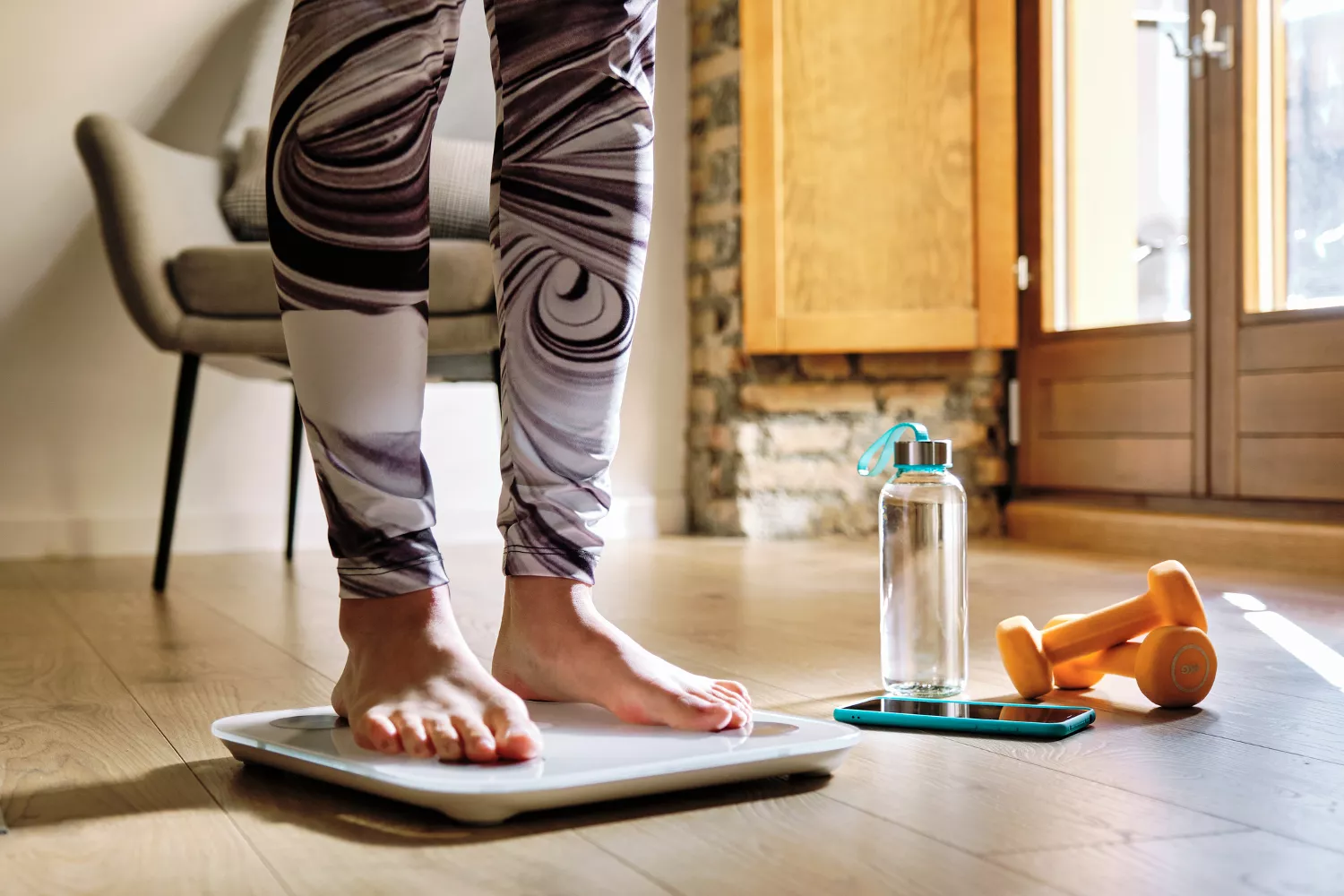
To achieve the best results, specific sodium restriction strategies for hypertension management are essential. Reducing your daily intake to less than 2 grams (about a teaspoon of salt) is the goal. Conversely, increasing your potassium-rich diet intake to at least 3.5 grams per day can help the body excrete excess sodium and relax blood vessel walls. When it comes to eating patterns, two diets lead the pack:
| Feature | DASH Diet | Mediterranean Diet |
|---|---|---|
| Primary Focus | High in fruits, vegetables, and low-fat dairy | High in healthy fats (olive oil) and fish |
| Sodium Goal | Strictly limits sodium to <2.3g or <1.5g | General focus on whole, unprocessed foods |
| Key Components | Rich in potassium, calcium, and magnesium | High in antioxidants and omega-3 fatty acids |
| BP Impact | Strong evidence for systolic reduction | Excellent for overall cardiovascular health |
Combining these dietary approaches with 30 to 60 minutes of moderate aerobic exercise most days of the week creates a powerful synergy for lifestyle changes for lowering systolic blood pressure. Whether it’s brisk walking, swimming, or cycling, the goal is consistency. Maintaining a healthy body mass index (BMI) remains a cornerstone of any long-term management strategy, as it reduces the mechanical and metabolic strain on your cardiovascular system.
Pharmacological Strategies: 2026 Treatment Protocols
When lifestyle modifications aren't enough to hit the target, we turn to a sophisticated array of blood pressure treatment strategies. The 2026 guidelines emphasize starting treatment early and reaching the goal quickly. Shockingly, only about 23% of adults with hypertension globally have their condition under control. To improve these numbers, the current preference is for initial combination therapy for most patients.
Using two medications at lower doses often works better and causes fewer side effects than one medication at a maximum dose. The first-line pharmacologic options for high blood pressure generally fall into four main antihypertensive medication classes:
- ACE Inhibitors (ACEi) or Angiotensin Receptor Blockers (ARBs): These protect the kidneys and are often the first choice for patients with diabetes.
- Calcium Channel Blockers (CCBs): Highly effective at relaxing the blood vessels.
- Thiazide-like Diuretics: These help the kidneys remove excess water and salt.
A major focus of modern care is improving patient medication adherence. We know that the best medication in the world won't work if it stays in the bottle. To simplify routines, many providers now prescribe single-pill combinations that contain two or three different types of medicine in one tablet. For our frail elderly patients, the approach is more cautious; we still aim for lower targets but adjust the speed and intensity of treatment to ensure they don't experience dizziness or falls.
Troubleshooting Resistant Hypertension
Sometimes, despite a patient’s best efforts and three different medications, blood pressure remains above the 130/80 mmHg goal. This is known as resistant hypertension. In these cases, we have to look deeper. We re-verify that the patient is following sodium restriction strategies for hypertension management and that there aren't any interfering substances like herbal supplements or decongestants involved.
We also screen for secondary causes, such as Primary Aldosteronism, a hormonal imbalance that can make blood pressure very difficult to control. If no specific cause is found, the 2026 protocols recommend adding spironolactone as a fourth-line therapy. This approach has been heavily backed by clinical trials, showing significant effectiveness in bringing resistant numbers down and preventing target-organ damage or hypertensive urgency.
Effective hypertension management is a marathon, not a sprint. It requires a collaborative relationship between you and your healthcare team, armed with the latest data and a commitment to long-term health.
FAQ
What is the best way to manage hypertension?
The most effective approach is a combination of early diagnosis, consistent lifestyle changes for hypertension, and adherence to prescribed medications. Following the DASH or Mediterranean diet, reducing sodium, and engaging in regular aerobic exercise are the foundations of successful long-term management.
Can high blood pressure be controlled without medication?
In some cases, particularly for those with Stage 1 hypertension and low overall cardiovascular risk, significant lifestyle changes can bring blood pressure back to a healthy range. However, this requires strict adherence to sodium restriction, weight management, and exercise. Most patients will eventually require at least one medication as they age to maintain their target.
What are the first steps in hypertension management?
The first steps involve obtaining accurate readings using validated oscillometric devices to confirm your baseline. Once confirmed, your provider will assess your overall risk and typically recommend immediate lifestyle changes while determining if first-line pharmacologic options for high blood pressure are necessary to reach the target within three months.
What foods should be avoided with hypertension?
You should primarily avoid high-sodium processed foods, such as canned soups, deli meats, frozen dinners, and salty snacks. It is also wise to limit sugary beverages and excessive alcohol, both of which can interfere with blood pressure treatment strategies and contribute to weight gain.
How often should you monitor blood pressure at home?
When first starting or changing a treatment plan, you should follow home blood pressure monitoring best practices 2026 by taking readings twice daily (morning and evening) for seven days. Once your blood pressure is stable and under control, checking it once or twice a week is usually sufficient for long-term tracking.