Quick Facts
- 2026 Standard: Hypertension is now clinically defined as readings consistently over 130/80 mmHg.
- The Silent Gap: Globally, approximately 44% of those affected were unaware they had the condition until a screening or emergency occurred.
- DASH Impact: Adopting the DASH diet can reduce systolic pressure by an average of 5.2 mmHg within weeks.
- Exercise Rule: A minimum of 150 minutes of moderate aerobic activity weekly is the baseline for vascular health.
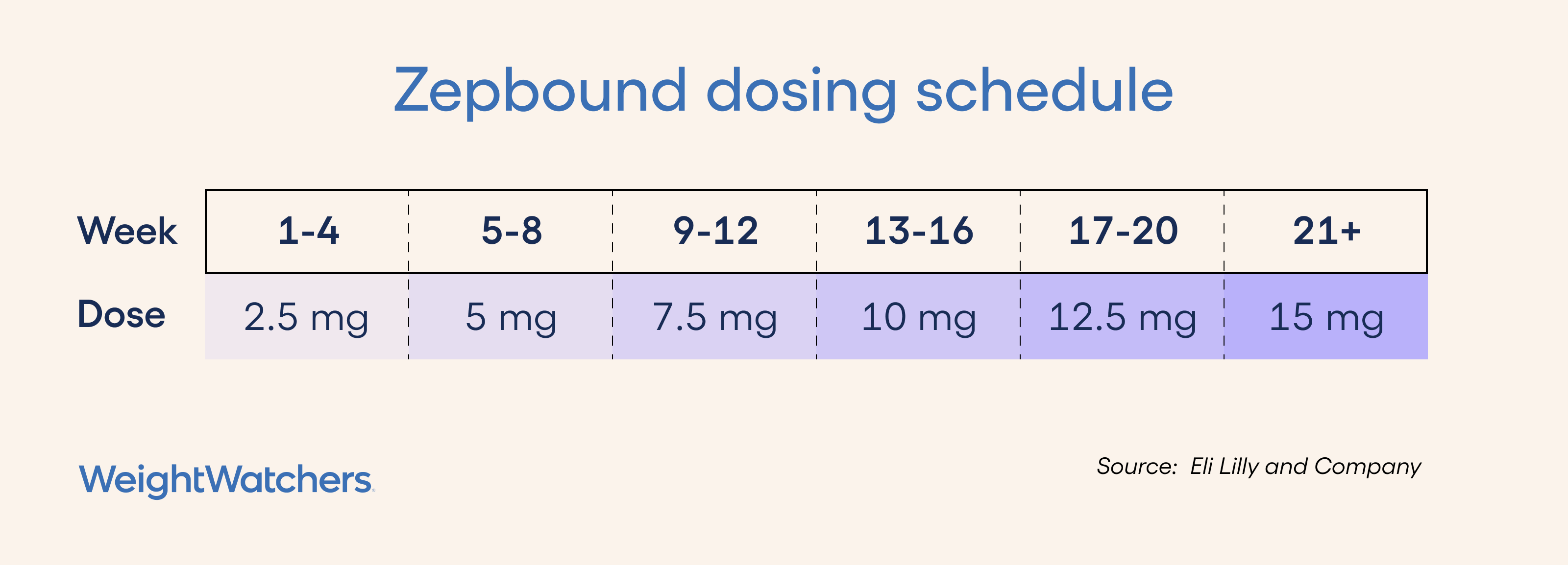
- Weight Factor: Clinical data shows that losing just 5% of total body weight significantly improves metabolic markers.
- Global Burden: Uncontrolled high blood pressure is a primary cause of premature death, claiming more than 10 million lives every year through preventable complications.
Hypertension is often called the silent killer because it progresses as an asymptomatic condition that damages the heart and arteries without noticeable warning signs. Effective hypertension prevention requires understanding the 2026 American Heart Association guidelines and implementing consistent lifestyle changes to manage your long-term cardiovascular health.
Why Hypertension is the 'Silent Killer': Systemic Risks
The primary danger of high blood pressure lies in its stealth. Unlike a fever or a broken bone, you cannot feel your blood pushing too hard against your vessel walls. In 2024, it was estimated that 1.4 billion adults aged 30 to 79 lived with this condition, many of whom felt perfectly fine while internal damage accumulated.
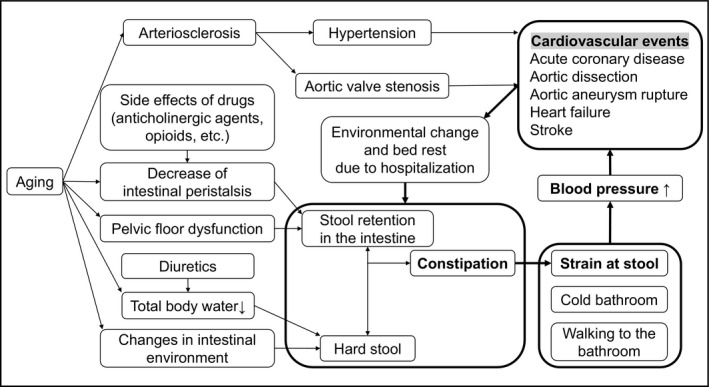
When left unmanaged, the constant pressure causes the smooth inner lining of your arteries to scar and thicken. This process, known as atherosclerosis, restricts blood flow and forces the heart to work harder. Over time, the strain leads to long term health complications of high blood pressure across several vital systems.
Impact on the Brain and Eyes
The delicate vessels in the brain are highly sensitive to pressure changes. Chronic hypertension is the leading cause of stroke and a major contributor to cognitive decline. Research indicates that every 10 mmHg increase in systolic pressure correlates with a roughly 25% higher risk of stroke. Similarly, in the eyes, high pressure can cause hypertensive retinopathy, leading to blurred vision or even permanent sight loss as the small vessels in the retina burst or leak.
Impact on the Kidneys and Heart
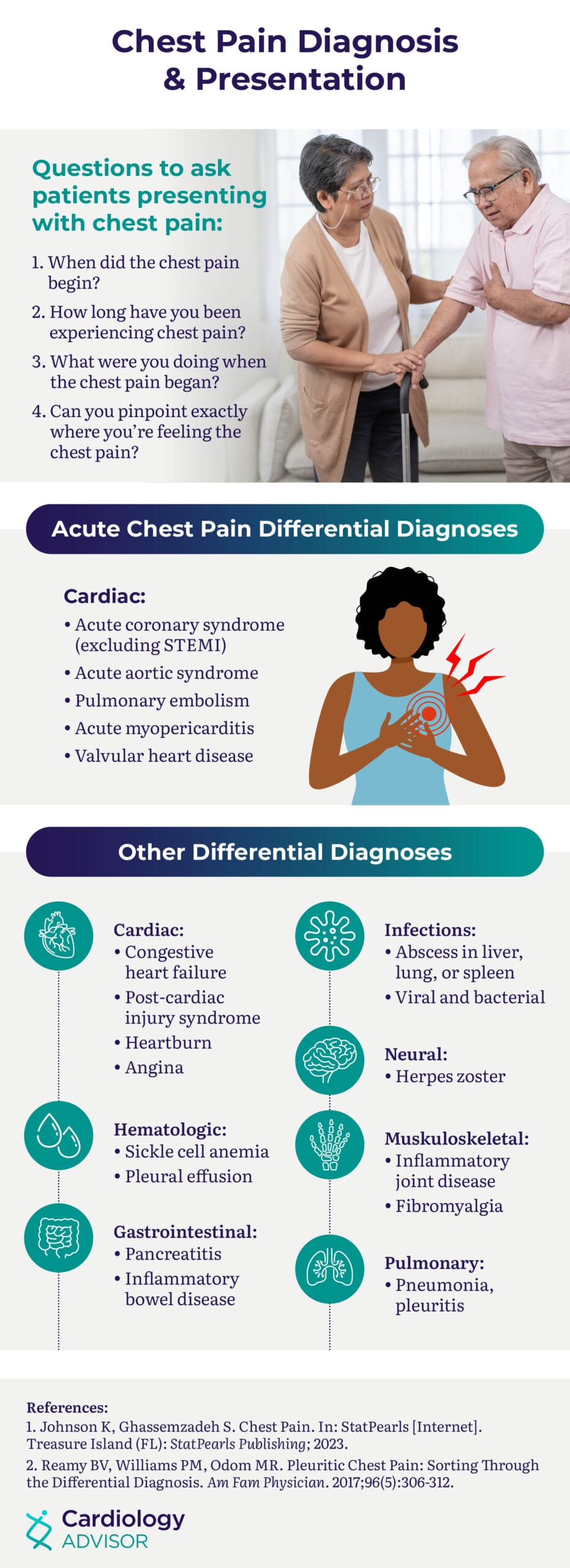
Your kidneys act as a complex filtration system, but they rely on healthy blood vessels to function. Hypertension can cause chronic kidney disease by damaging the arteries leading to and inside the kidneys, eventually leading to renal failure. Meanwhile, the heart suffers from vascular health degradation; the muscle thickens to compensate for the resistance, which can eventually lead to heart failure or sudden heart attacks. Identifying common hypertension risk factors early is the only way to intercept this systemic decline.
2026 Diagnostic Standards: Understanding Your Numbers
To take control of your health, you must understand the data behind the diagnosis. The American Heart Association and other major health bodies have refined the categories of blood pressure to encourage earlier intervention.
- Normal: Less than 120/80 mmHg.
- Elevated: Systolic between 120-129 and diastolic less than 80.
- Stage 1 Hypertension: Systolic between 130-139 or diastolic between 80-89.
- Stage 2 Hypertension: Systolic 140 or higher or diastolic 90 or higher.
The systolic and diastolic numbers represent two different phases of your heartbeat. The top number (systolic) measures the pressure in your arteries when your heart beats, while the bottom number (diastolic) measures the pressure when your heart rests between beats. Even if only one of these numbers is high, it can indicate a need for a medical professional to review your metabolic markers. Regular wellness screenings are your first line of defense in moving from an asymptomatic condition to an informed, proactive health plan.
Step-by-Step: Accurate Blood Pressure Monitoring at Home
Relying solely on once-a-year readings at the doctor’s office can be misleading due to "white coat syndrome," where anxiety spikes your numbers. Learning how to provide an accurate blood pressure monitoring at home guide for yourself is essential for tracking real-world trends.
To get the most reliable data for your medical professional, follow this clinical protocol:
- Prepare the environment: Avoid caffeine, exercise, and smoking for at least 30 minutes before testing. Empty your bladder.
- The rest period: Sit quietly in a sturdy chair (not a sofa) for 5 minutes before taking the measurement. Do not scroll through your phone or talk.
- Proper positioning: Keep your back straight and your feet flat on the floor. Do not cross your legs.
- Arm placement: Support your arm on a flat surface (like a table) so that the cuff is at the same level as your heart.
- Equipment check: Ensure you are using a validated cuff that fits your upper arm properly. Wrist monitors are generally less accurate.
- Consistency: Take two or three readings one minute apart and record the average. Perform this at the same time every morning and evening for a week to see your true baseline.
Prevention through Nutrition: DASH Diet Benefits
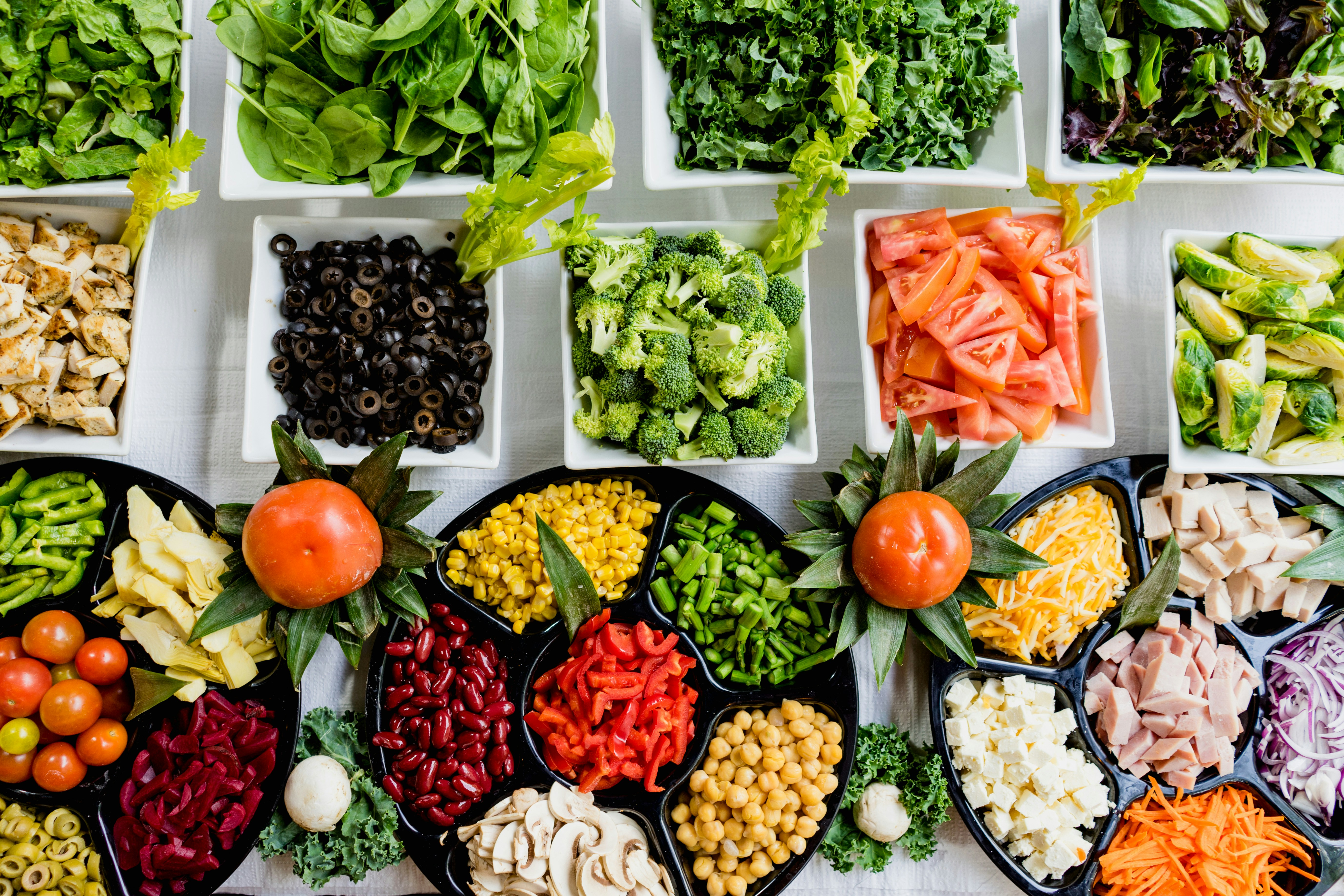
As a vitamins and minerals editor, I focus heavily on how micronutrients regulate vascular health. The DASH (Dietary Approaches to Stop Hypertension) diet is perhaps the most evidence-backed nutritional intervention available. The core of the DASH diet benefits lies in its balance of electrolytes: increasing potassium levels while drastically reducing sodium.
Potassium helps the walls of your blood vessels relax and encourages the kidneys to excrete excess sodium. While the average modern diet is dangerously high in salt and low in minerals, the DASH plan flips this ratio to reduce the strain on your circulatory system.
DASH Diet vs. Standard Diet Comparison
| Food Group | DASH Diet Daily Target | Standard Western Diet (Typical) |
|---|---|---|
| Sodium | Less than 1,500 - 2,300 mg | 3,400 mg or more |
| Potassium | 4,700 mg | 2,500 mg |
| Vegetables | 4-5 servings | 1-2 servings |
| Whole Grains | 6-8 servings | 2-3 servings (mostly refined) |
| Saturated Fat | Less than 7% of calories | 11% or more of calories |
Practical Tips for Starting the DASH Diet
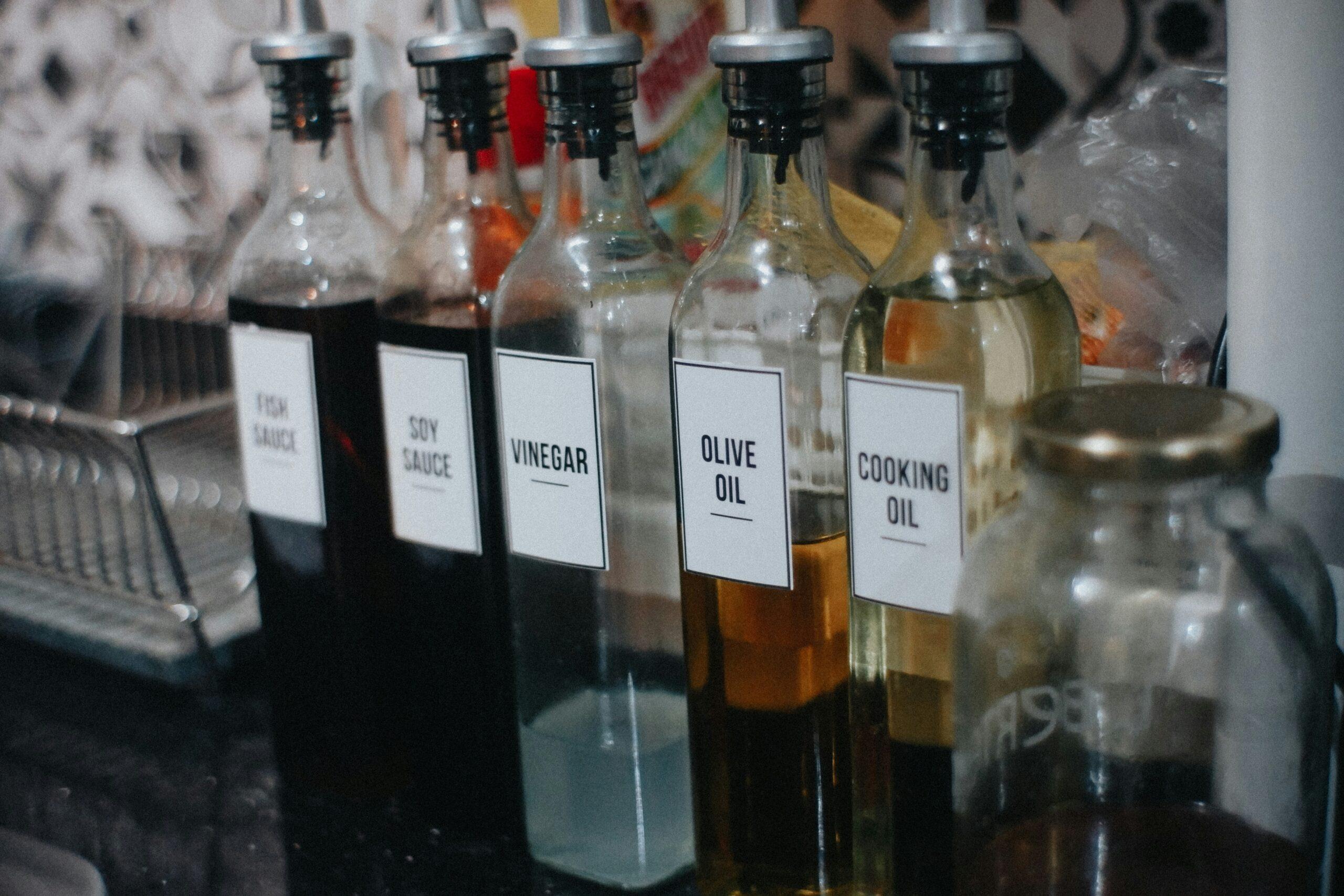
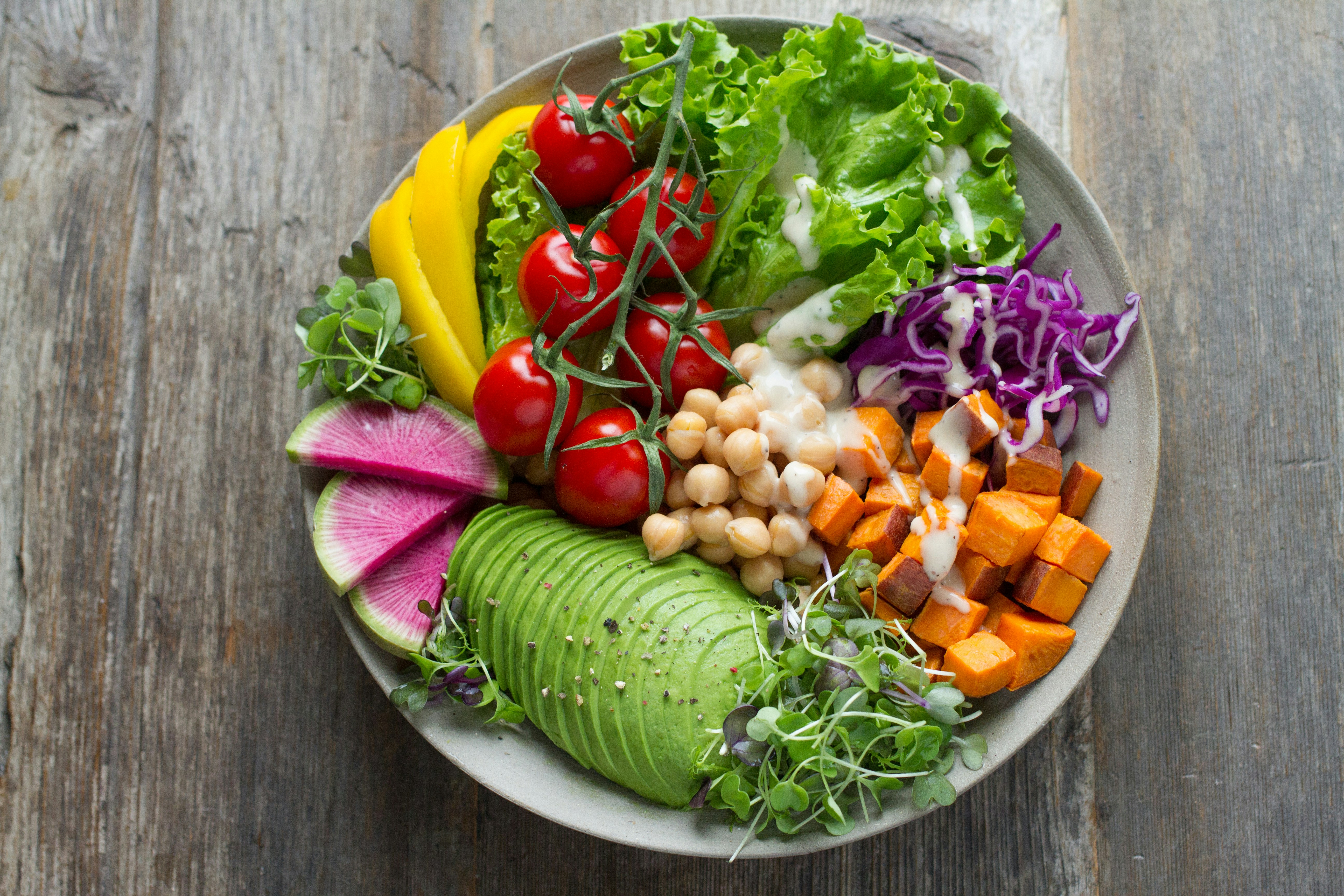
Transitioning to a new way of eating doesn't have to happen overnight. Start by adding one serving of vegetables to lunch and one serving of fruit to your breakfast. Use herbs, lemon juice, or vinegar to season food instead of the salt shaker. Reading labels is also a crucial part of hypertension prevention; look for "low sodium" or "no salt added" versions of canned beans and broths.
- Replace white bread and pasta with whole-grain versions like quinoa or brown rice.
- Limit sweets and sugary beverages to no more than 5 servings per week.
- Opt for lean proteins like poultry or fish instead of red meat.
Lifestyle Modifications for Long-Term Control
Nutrition is the foundation, but how to prevent hypertension through lifestyle changes involves a multi-pronged approach. Your arteries are dynamic tissues that respond to the physical and emotional environment you provide.
The Power of Movement
Physical activity is essentially "exercise" for your blood vessels, keeping them flexible and resilient. The clinical minimum for cardiovascular health is 150 minutes of moderate-intensity aerobic activity per week. When looking for the best exercises for lowering blood pressure safely, focus on activities like brisk walking, swimming, or cycling. These aerobic movements are particularly effective at lowering systolic pressure. Strength training is also beneficial but should be performed with proper breathing techniques to avoid temporary pressure spikes.
Stress and Weight Management
Chronic stress keeps your body in a "fight or flight" mode, releasing hormones like cortisol and adrenaline that constrict blood vessels and increase heart rate. Consistent stress reduction practices—such as deep breathing, meditation, or even a daily walk in nature—can lower your baseline pressure. Furthermore, weight management is a powerful lever. Research shows that for every kilogram of weight lost, systolic pressure can drop by approximately 1 mmHg. For many people, losing just 5% of their starting weight is enough to move them out of a high-risk category.
FAQ
What are the most effective ways to prevent hypertension naturally?
The most effective natural strategies include adopting the DASH diet, reducing daily sodium intake to under 2,300 mg, and increasing physical activity. Maintaining a healthy weight and limiting alcohol consumption also play major roles in keeping blood pressure within a safe range without the immediate need for medication.
What foods should I avoid to lower my risk of hypertension?
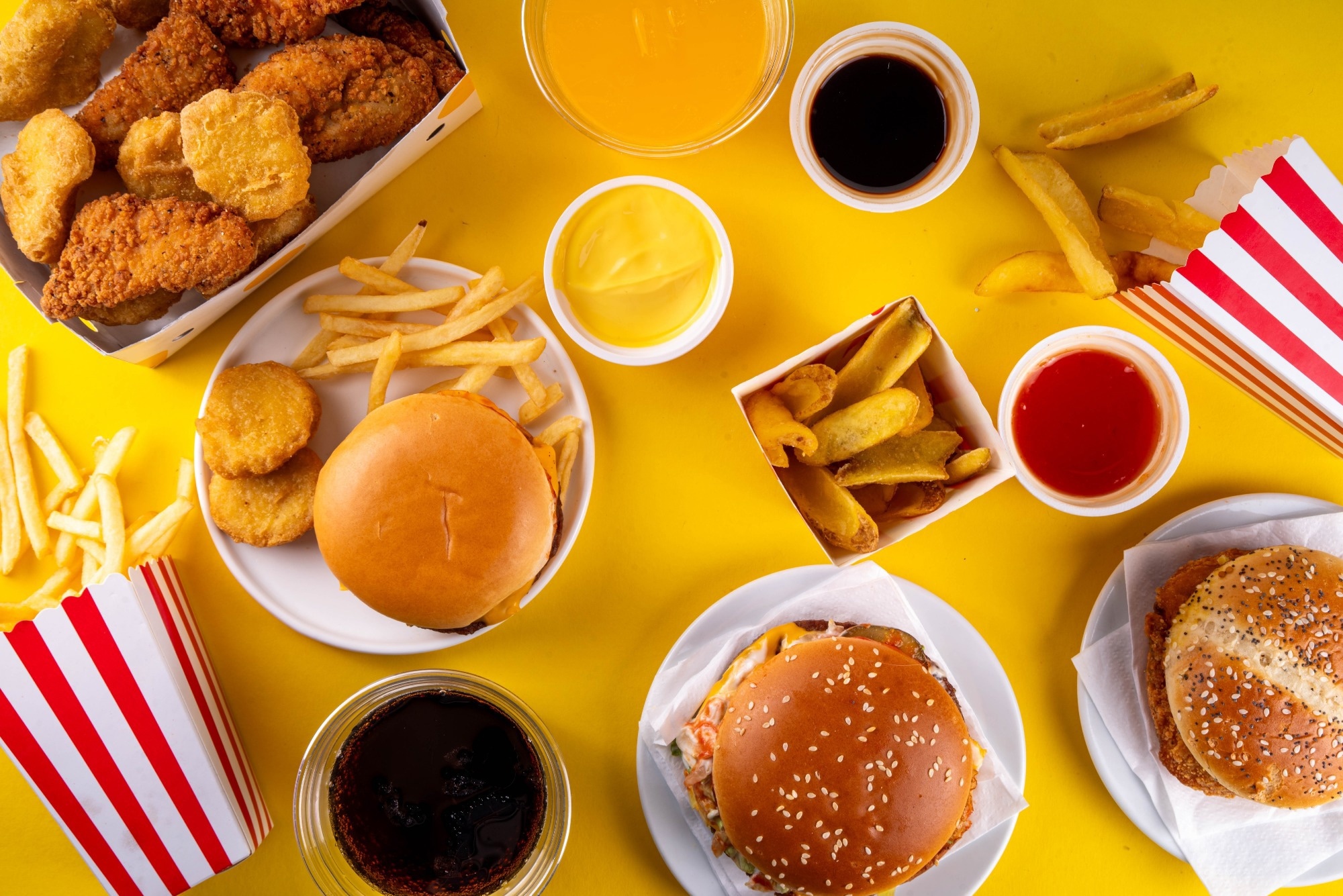
You should primarily avoid highly processed foods, which are often hidden sources of sodium. This includes deli meats, frozen dinners, canned soups with added salt, and salty snacks. Additionally, reducing sugary beverages and foods high in saturated fats, like fatty cuts of red meat, helps protect your vascular health.
How much daily exercise is needed to prevent high blood pressure?
Health experts recommend at least 150 minutes of moderate aerobic activity per week, which breaks down to about 30 minutes a day, five days a week. Activities like brisk walking, swimming, or yard work are excellent choices. Consistency is more important than intensity when it comes to long-term blood pressure management.
Does weight loss play a major role in hypertension prevention?
Yes, weight loss is one of the most significant lifestyle changes for lowering blood pressure. Even a modest weight loss of 5 to 10 pounds can have a measurable impact on your readings. Losing weight reduces the overall strain on your heart and improves the efficiency of your circulatory system.
Can managing stress help in preventing high blood pressure?
Absolutely. While short-term stress causes temporary spikes, chronic stress can contribute to long-term inflammation and arterial damage. Using stress reduction techniques like mindfulness, yoga, or ensuring adequate sleep can help keep your nervous system balanced and your blood pressure stable.