Quick Facts
- Commonality: Approximately 85% of people will experience some form of back discomfort during their lifetime.
- Non-Surgical Recovery: Research indicates that 90% of cases resolve successfully without the need for surgical intervention.
- Clinical Terminology: Medical professionals often use the term 'Lumbago' to describe centralized discomfort in the lower lumbar region.
- Thermal Therapy Rule: For acute injuries, apply cold for 10 to 15 minutes; for chronic stiffness, use heat for 20 minutes.
- Stabilization Key: The multifidus muscle is a critical stabilizer for the spine and is often targeted in physical therapy.
- Movement Habit: Integrating 'Movement Snacks' or micro-movements every 30 to 60 minutes is essential for preventing sedentary stiffness.
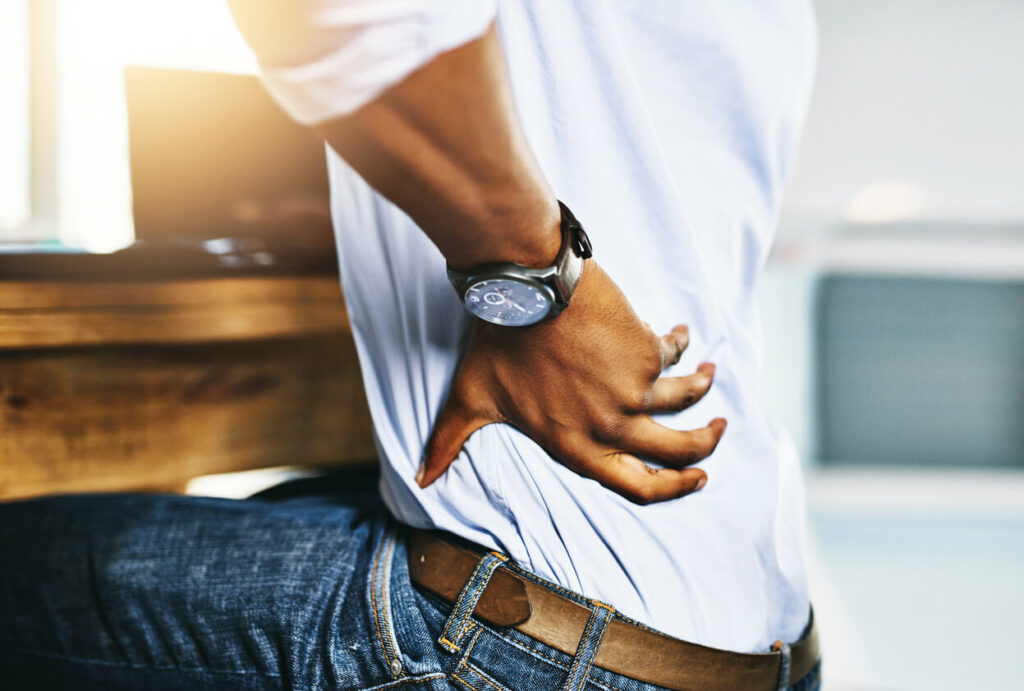
Left lower back pain often stems from musculoskeletal issues like muscle strains, sacroiliac joint dysfunction, or lumbar disc herniation. However, it can also indicate internal problems such as kidney stones or infections, especially if accompanied by fever or urinary changes. Proper diagnosis involves assessing whether the pain is localized to the soft tissue or originating from the spine or internal organs.
Understanding Left Lower Back Pain
Experiencing left lower back pain can be frustrating and alarming. Whether it is a dull ache or sharp pain, understanding the underlying cause is the first step toward relief. This guide explores the common causes of lower left back pain and provides actionable recovery tips for 2026.
The lumbar spine is a complex structure comprised of vertebrae, intervertebral discs, nerves, and supporting soft tissue. When you feel discomfort specifically on the left side, it suggests that the irritation is localized to the structures on that half of your body. This could range from a simple muscle strain in the quadratus lumborum to more complex issues like sacroiliac joint dysfunction where the pelvis meets the spine.
Differentiating between a soft tissue injury and a deeper spinal or organ-related issue is vital for proper treatment. Muscle pain often feels like a sore, tight sensation that fluctuates with movement, whereas spinal issues might involve shooting sensations or numbness. In the context of 2026 healthcare, we look at the body as an integrated system where hip mobility and core stability directly impact the stress placed on the lumbar region.

Red Flags: When to See a Doctor for Left Back Pain
While most instances of left lower back pain are mechanical and resolve with conservative care, certain symptoms act as red flags that require immediate medical attention. It is important to distinguish between routine chronic pain management and a medical emergency.
According to the World Health Organization, approximately 90% of low back pain cases are classified as non-specific, meaning they cannot be confidently attributed to a specific underlying disease. However, the remaining 10% may involve serious pathology. You should seek a professional evaluation immediately if you experience:
- Sudden, unexplained weakness in the legs or feet.
- Numbness or a pins-and-needles sensation in the "saddle area" (groin and inner thighs).
- Loss of bladder or bowel control, which may indicate cauda equina syndrome.
- Pain accompanied by a high fever, chills, or unexplained weight loss.
- Intense, localized pain that does not change or improve regardless of your physical position.
These red flag symptoms of left-sided lower back pain may point toward severe radiculopathy or internal infections. Early intervention is key to preventing long-term nerve damage or systemic illness.

Musculoskeletal vs. Internal Causes
Determining the source of your discomfort involves looking at both structural and systemic factors. Mechanical or functional injuries, such as muscle or ligament strains, account for an estimated 97% of all back pain cases. However, the specific diagnosis can vary significantly.
Among individuals seeking medical care, approximately 27% are diagnosed with a herniated disc, followed by degenerative disc disease at 18% and spinal stenosis at 17%.
Structural Drivers
Sacroiliac joint dysfunction occurs when the SI joint—which connects your hip bones to your sacrum—becomes inflamed or moves improperly. This often results in sharp, localized left-sided back pain relief seekers describing the sensation as "deep in the glute." Similarly, sciatic nerve impingement can cause pain to radiate from the lower left back down into the leg, often due to a bulging disc or piriformis syndrome.
Another critical factor is the multifidus muscle. Strengthening the multifidus for left back stability is a primary goal in modern physical therapy. This deep muscle runs along the spine and provides essential segmental stability; when it weakens or fails to "fire" correctly, the larger, superficial muscles overcompensate, leading to chronic strain and causes of lower left back pain.
Internal and Renal Health
A common question patients ask is: is left lower back pain kidney or muscle? While muscle pain is usually aggravated by movement (twisting, bending, lifting), kidney-related pain—often caused by kidney stones or infections—tends to be a constant, throbbing ache located higher up in the flank, just below the ribs. Renal health issues may also be accompanied by changes in urination, such as frequency, color, or pain.
Relief and Recovery: The 2026 Protocol
The philosophy of recovery has shifted from total bed rest to the concept that "Movement is Medicine." Modern left-sided back pain relief strategies in 2026 focus on active recovery and stabilization rather than passive waiting.
Thermal Therapy Guidelines
One of the most effective home remedies remains the strategic use of temperature. Use the following guide to manage inflammation and muscle tension:
| Condition Type | Therapy | Duration | Primary Goal |
|---|---|---|---|
| Acute (First 48 hours) | Cold Pack | 10–15 Minutes | Reduce swelling and numb sharp pain |
| Chronic (Ongoing) | Moist Heat | 20 Minutes | Increase blood flow and relax tight fibers |
| Post-Exercise | Contrast | 1:3 Ratio | Flush metabolic waste from the tissue |
Targeted Movement and Ergonomics
Targeted stretches for left-sided back pain relief should focus on decompressing the spine and improving hip mobility. Hip mobility exercises to prevent left back strain are essential because when the hips are tight, the lower back is forced to overcompensate during daily activities like walking or sitting.
Consider implementing "Movement Snacks"—short, 2-minute activity breaks every 30 to 60 minutes. This prevents the lumbar region from locking up during sedentary work. Common exercises include:
- The Bird-Dog: On all fours, extend the opposite arm and leg to engage the core and stabilize the spine.
- Cat-Cow: Gentle spinal flexion and extension to promote synovial fluid movement.
- 90/90 Hip Stretch: To unlock the pelvic region and reduce pull on the lower back.
Ergonomic adjustments for left-sided back discomfort are also vital. Ensure your computer screen is at eye level and your chair provides adequate lumbar support. If you tend to lean to the left while working, postural correction through a standing desk or an ergonomic cushion can help redistribute your weight evenly. Furthermore, finding optimal sleeping positions for left lower back pain—such as sleeping on your side with a pillow between your knees—can maintain a neutral spinal alignment throughout the night.

FAQ
What causes pain in the lower left back?
The most common causes include musculoskeletal issues such as muscle strains, ligament sprains, or sacroiliac joint dysfunction. It can also be caused by spinal conditions like a herniated disc or internal issues such as kidney stones or infections.
When should I be concerned about left-sided lower back pain?
You should be concerned if the pain is accompanied by red flag symptoms like leg weakness, numbness in the groin, loss of bladder control, high fever, or if the pain is the result of a significant trauma like a fall.
Can lower left back pain be related to an organ?
Yes, the kidneys are located in the retroperitoneal space near the lower back. Issues like kidney stones, infections, or even conditions involving the colon or reproductive organs can sometimes manifest as pain in the lower left back area.
How do I know if my left lower back pain is kidney related?
Kidney pain is typically felt higher in the back, under the ribs, and is often a constant, deep ache. It usually does not change with movement, unlike muscle pain, and may be accompanied by fever or urinary symptoms.
What are the best stretches for lower left back pain?
Effective stretches include the Bird-Dog for stability, the Child’s Pose for decompression, and hip flexor stretches to reduce the pull on the lumbar spine. Incorporating hip mobility exercises to prevent left back strain is also highly recommended.
How can I tell the difference between muscle strain and a disc issue?
Muscle strain usually feels like a localized ache or stiffness that worsens with specific movements. A disc issue, such as a herniated disc, often involves sharp, shooting pain that radiates down the leg (sciatica), numbness, or tingling.
Next Steps for Recovery
If your left lower back pain persists beyond two weeks despite home care, or if the intensity of the pain prevents you from performing daily tasks, it is time to consult a healthcare professional. A thorough evaluation may include physical exams, imaging like an MRI to check intervertebral discs, or blood tests to assess internal health.
For those dealing with chronic conditions, modern medicine offers a wide range of minimally invasive options for chronic left back pain, including specialized chiropractic adjustments, physical therapy, or regenerative injections. By combining professional guidance with the 2026 active recovery protocols, most individuals can return to their favorite activities without pain.