Quick Facts
- Risk Profile: The relative risk for developing gastroparesis is 3.67 times higher for users of GLP-1 agonists compared to other weight loss medications.
- Absolute Incidence: While the relative risk is elevated, the absolute rate of stomach paralysis remains low, occurring in approximately 0.53% of users.
- Label Update: In September 2023, the FDA updated the safety label for semaglutide to include ileus, a serious condition where intestinal movement ceases.
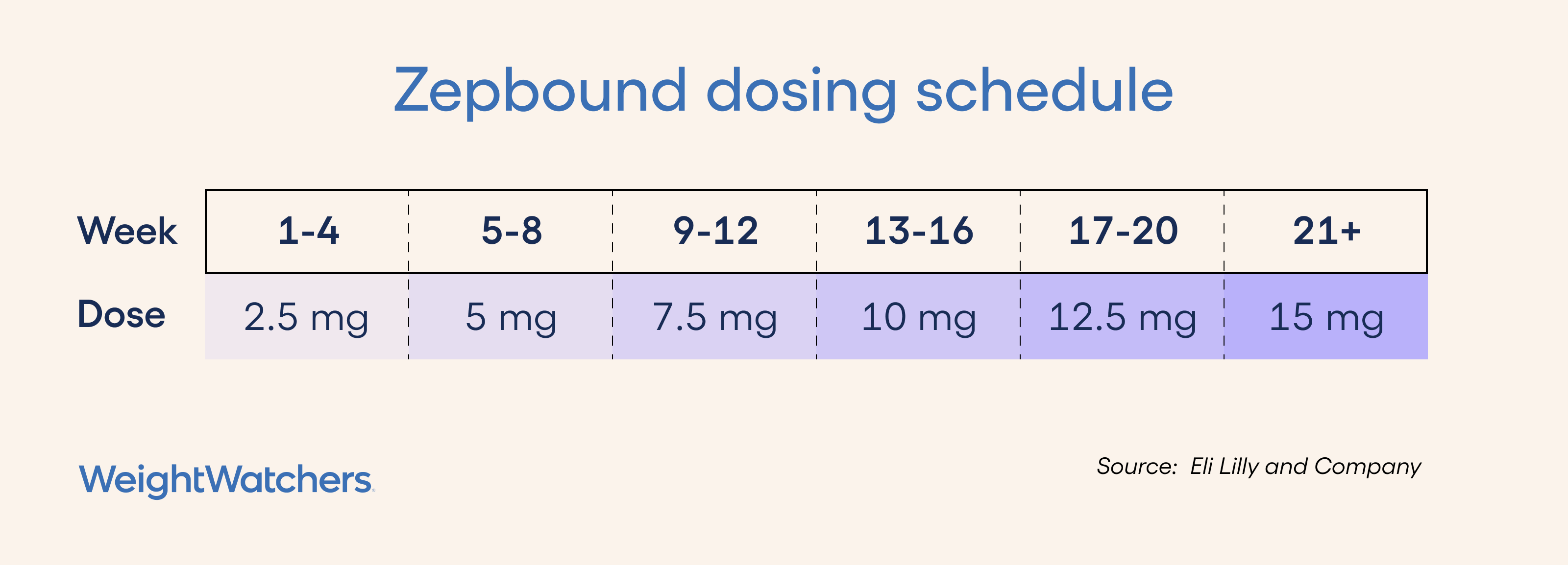
- Titration Protocol: Starting at a low 0.25 mg weekly dose for the first four weeks is the primary strategy to minimize initial gastrointestinal shock.
- Symptom Duration: Due to the long half-life of the medication, digestive side effects can persist for up to five weeks after the final dose is administered.
- Surgical Guidance: As of June 2023, the American Society of Anesthesiologists recommends pausing GLP-1 medications prior to elective surgeries to prevent aspiration risks.
Ozempic (semaglutide) has revolutionized weight loss and diabetes management, but its impact on digestive health is a growing concern for many. While most users experience mild issues, understanding Ozempic GI risks is essential for long-term safety. Ozempic is generally considered safe when used under medical supervision, but it significantly slows the gastric emptying rate, which can lead to complications ranging from simple bloating to serious gut motility issues like gastroparesis. Distinguishing between expected side effects and emergency red flags is the key to maintaining gut health while on GLP-1 therapy.

How Ozempic Affects Gut Motility
To understand why Ozempic GI risks exist, we have to look at how the drug interacts with the complex communication system between your brain and your digestive tract. As a GLP-1 receptor agonist, semaglutide mimics a natural hormone that targets the area postrema in the brainstem. This region helps regulate appetite and satiety. By activating these receptors, the medication sends a signal that you are full, effectively quieting the "food noise" that many people struggle with.
However, this signal comes with a physical trade-off in the gut. The drug significantly slows down the gastric emptying rate, which is the speed at which food moves from your stomach into your small intestine. While this delayed digestion helps you feel full for longer periods, it can also lead to Ozempic gut motility complications. When food sits in the stomach for an extended duration, it can ferment or putrefy, leading to common issues like abdominal distension and gas.
This process is closely tied to the gut-brain axis and vagus nerve function. The medication essentially overrides the normal signals that tell the stomach muscles to contract and push food forward. For the vast majority of people, this slowing is manageable and even helpful for weight loss. But for a small subset of the population, the gastrointestinal motility slows to a point where the digestive system essentially stalls, leading to more chronic constipation or even structural blockages.

Common vs. Severe: Identifying Ozempic Gastroparesis Symptoms
When you first start semaglutide, some level of digestive friction is almost expected. Most patients go through a titration schedule, starting at a low dose and gradually increasing it to allow the body to adapt. During this phase, mild nausea or occasional acid reflux are typical signs that your system is adjusting to the new gastric emptying rate. However, it is vital to know when these "normal" issues cross the line into more dangerous territory.
A significant study published in JAMA revealed that patients using GLP-1 agonists for weight loss were 3.67 times more likely to develop gastroparesis and 4.22 times more likely to experience bowel obstructions compared to those on older weight-loss drugs. Furthermore, the FDA updated the Ozempic label in September 2023 to include ileus, which is a clinical term for a lack of movement in the intestines that can lead to a complete blockage.
The following table helps you perform a basic triage of your symptoms to determine if you are experiencing standard side effects or something that requires urgent medical intervention.
| Symptom Category | Manageable Discomfort (Expected) | Emergency Red Flags (Action Needed) |
|---|---|---|
| Nausea & Vomiting | Occasional nausea after meals; rare vomiting. | Persistent vomiting for over 24 hours; inability to keep fluids down. |
| Abdominal Pain | Mild cramping or feeling of "fullness." | Severe, sharp pain that may radiate to the back; rigid or tender abdomen. |
| Bowel Habits | Mild constipation; soft stools. | Complete lack of bowel movements for several days; inability to pass gas. |
| Physical Appearance | Slight bloating after eating. | Visible and extreme abdominal distension; looking "pregnant" with gas. |
| Other Signs | Mild heartburn or sulfur burps. | Recognizing signs of Ozempic gastroparesis vs normal side effects like vomiting undigested food eaten hours prior. |
One of the more alarming Ozempic gastroparesis symptoms is the formation of bezoars. These are solid masses of undigested food that can become trapped in the stomach because the exit is too slow. This can lead to a total stomach blockage, which is why recognizing the warning signs of Ozempic stomach blockage and bezoars—such as early satiety after just one or two bites and a foul taste in the mouth—is so important for long-term gut health.
Managing Ozempic Stomach Side Effects at Home
If you are dealing with manageable GI distress, there are several dietary and lifestyle strategies you can implement to keep your digestive system moving. The goal of managing Ozempic stomach side effects is to reduce the workload on your stomach while maintaining your nutritional status.
- Prioritize Small, Frequent Meals: Instead of three large meals, aim for five or six tiny snacks throughout the day. This prevents the stomach from becoming overly distended and allows the slower gastric emptying rate to keep up with the volume.
- Choose Soft, Low-Fiber Foods: While fiber is usually the hero of gut health, too much of it can be difficult for a slowed stomach to process. Opt for cooked vegetables instead of raw salads and lean proteins like chicken or fish. This is often the best foods to eat for Ozempic stomach pain relief.
- Stay Hydrated with Electrolytes: Nausea and diarrhea can quickly lead to an electrolyte imbalance. Sipping on water with added minerals or bone broth throughout the day is essential for preventing malnutrition while managing Ozempic GI symptoms.
- Adjust Meal Habits to Reduce Ozempic Acid Reflux: Avoid eating within three hours of bedtime. Since your stomach is emptying slower, lying down too soon after a meal can cause stomach acid and undigested food to back up into the esophagus.
- Gentle Movement: A short walk after eating can stimulate gastrointestinal motility through light physical activity, helping the vagus nerve and muscles of the gut work more efficiently.

When to Talk to a Doctor and Alternative Options
While lifestyle changes can help with mild bloating or nausea, there are specific moments when medical consultation is non-negotiable. If you find that you are losing weight too rapidly because you cannot eat, or if your abdominal pain is interfering with your daily life, you need to have a candid conversation with your healthcare provider.
You should know when to talk to a doctor about switching meds due to GI issues if your symptoms do not improve after the initial titration phase. A physician might recommend a gastric emptying study to measure exactly how slow your digestion has become. In some cases, simply reducing the dose or extending the titration schedule can alleviate the problem.
For patients who are highly sensitive to GLP-1 receptor agonists, there are alternative pathways for type 2 diabetes management and weight loss. Medications like SGLT-2 inhibitors or DPP-4 inhibitors work through different biological mechanisms and do not typically have the same profound effect on gut motility. Your doctor can help determine if your Ozempic GI risks outweigh the benefits and if a different class of medication would better protect your long-term gastrointestinal function.

FAQ
What are the most common GI side effects of Ozempic?
The most frequently reported gastrointestinal issues include nausea, vomiting, diarrhea, and constipation. These typically occur when the dose is increased and often resolve within a few weeks as the body adapts to the slower gastric emptying rate. Some users also report sulfur burps and mild acid reflux.
Can Ozempic cause permanent damage to the digestive system?
For the majority of users, the effects on gut motility are reversible once the medication is stopped. However, there are ongoing discussions in the medical community regarding the potential for long-term changes in vagus nerve function in rare cases. Currently, most clinical evidence suggests that stomach function returns to baseline after the drug is cleared from the system.
Is stomach paralysis a serious risk of using semaglutide?
While stomach paralysis, or gastroparesis, is a serious condition, it is considered a rare side effect. Clinical data suggests it affects less than 1% of the population using these medications. However, the risk is statistically higher than in those not taking GLP-1 drugs, making it important to monitor for symptoms like persistent vomiting of undigested food.
What are the warning signs of Ozempic-related pancreatitis?
Pancreatitis is a rare but severe inflammation of the pancreas. Warning signs include intense pain in the upper middle of the abdomen that often radiates through to the back. This pain is usually accompanied by severe nausea, vomiting, and a fever. If you experience these symptoms, you should seek emergency medical care immediately.
What foods help minimize GI distress while on Ozempic?
To minimize distress, focus on bland, easy-to-digest foods like bananas, white rice, toast, and crackers (often called the BRAT diet during flare-ups). Lean proteins like skinless chicken and steamed fish are also well-tolerated. Avoiding high-fat, fried, and highly processed foods is essential, as these further delay digestion and can exacerbate bloating and nausea.