Quick Facts
- Skin Type: Suitable for all (Oily, Dry, Combination, Mature)
- Main Benefit: Sebum regulation and hydration
- Safety Rule: 1% dilution for face
- Best Carrier: Jojoba or Rosehip
- Chemical Profile: High Geraniol (75-95%)
- Market Value: The cosmetics and personal care industry is the leading application segment for palmarosa oil, accounting for approximately 38.6% of the global market revenue as of 2025.
Palmarosa essential oil, derived from Cymbopogon martinii, offers diverse benefits including antimicrobial, anti-inflammatory, and hydrating properties. High in geraniol, it helps regulate sebum production for oily skin while preventing transepidermal water loss in dry skin. Its ability to support cell regeneration makes it a valuable tool for improving skin elasticity and rejuvenating mature or blemish-prone complexions.
What is Palmarosa Essential Oil? (Cymbopogon martinii)
When you first encounter the scent of palmarosa, you might mistake it for a delicate rose or a bright geranium. However, this oil comes from a tall, fragrant grass known as Cymbopogon martinii, a close relative of lemongrass and citronella. Native to India and Southeast Asia, this botanical powerhouse has been a staple in traditional wellness for centuries. The oil is captured through a meticulous steam distillation process of the grass, which must be harvested before the flowers appear to ensure the highest quality of the aromatic compounds.
In the world of aromatherapy and holistic dermatology, palmarosa is often referred to as a "hidden gem." It is particularly prized for its chemical profile. Palmarosa essential oil contains a high concentration of geraniol, typically ranging from 75% to 95%, which provides broad-spectrum antimicrobial activity against skin pathogens such as Staphylococcus aureus and Candida albicans. While it was once famously studied in 1995 for its efficacy as a top-three natural mosquito repellent, its modern acclaim is firmly rooted in high-performance skincare.
The sensory experience of using palmarosa oil skincare routine elements is unique. Its rosy, floral, and citrusy aroma is grounding yet uplifting, making it a favorite for those who want their skincare ritual to feel like a spa-like experience. But beyond the scent, the science of how this oil interacts with the skin's biological processes is where the real magic happens.
Palmarosa Oil for Oily Skin and Acne: The Sebum Regulator
If you struggle with an overactive T-zone or frequent breakouts, you might be hesitant to add more oil to your routine. However, palmarosa oil for oily skin and acne works differently than heavier, pore-clogging substances. It acts as a natural astringent, helping to tone and tighten the appearance of pores. More importantly, it helps in the sebum production balance by signaling to your skin that it has enough moisture, preventing the overcompensation that leads to excessive oiliness.
The antimicrobial properties are perhaps the most significant palmarosa oil benefits for those with blemish-prone skin. Recent research from 2021 indicates that the high geraniol levels are particularly effective at fighting Cutibacterium acnes, the bacteria responsible for inflammatory breakouts. By incorporating this oil into your daily habits, you are not just treating existing spots; you are creating an environment on the skin's surface that is less hospitable to future acne.
To maximize these effects, it is essential to use a non-comedogenic carrier. For oily skin, jojoba oil is the gold standard. Since jojoba is technically a liquid wax that closely resembles human sebum, it helps the palmarosa oil penetrate effectively without leaving a greasy residue. This combination ensures that the skin remains hydrated and protected while the palmarosa works to clear congestion and calm redness.
Hydration and Rejuvenation: Dry and Mature Skin Benefits
For those dealing with dryness or the visible signs of aging, the priority shifts from oil control to moisture retention and structural support. One of the most impressive palmarosa oil benefits is its ability to combat transepidermal water loss. This occurs when the skin's barrier is compromised, allowing moisture to evaporate into the air, leaving the skin parched and prone to fine lines. Palmarosa helps reinforce this barrier, locking in hydration at a cellular level.
As we age, our natural rate of cell turnover slows down. This is where palmarosa oil benefits for mature skin rejuvenation become truly evident. Clinical studies have shown that palmarosa essential oil can decrease inflammatory cytokines IL-12 and IL-8 and remains non-irritating to the skin when used at concentrations up to 5%. Furthermore, research from 2011 suggests that the oil supports cell regeneration, which is vital for maintaining skin elasticity and a youthful glow.
For a deeply nourishing treatment, palmarosa oil for dry skin hydration is best paired with rosehip oil. Rosehip is naturally high in Vitamin A (retinol) and Vitamin C, which work synergistically with the geraniol in palmarosa to brighten the complexion and smooth out texture. This duo provides a potent, plant-based alternative to synthetic anti-aging serums, grounding your beauty routine in holistic dermatology.
Choosing the Right Carrier Oil
Because palmarosa is a concentrated essential oil, it must always be diluted. The choice of carrier oil can tailor the experience to your specific skin needs.
| Feature | Jojoba Oil | Rosehip Oil |
|---|---|---|
| Primary Skin Type | Oily, Acne-Prone, Combination | Dry, Mature, Sun-Damaged |
| Consistency | Lightweight, non-greasy | Rich, nourishing |
| Comedogenic Rating | 2 (Low risk of clogging pores) | 1 (Very low risk) |
| Key Synergy | Sebum production balance | Skin elasticity & Cell regeneration |
The Golden Rule: How to Dilute and Apply Safely
When it comes to palmarosa oil for face application, safety is the first priority. Essential oils are incredibly potent, and applying them "neat" (undiluted) can lead to sensitization or chemical burns, especially for those with a delicate barrier. This is why we follow a specific palmarosa oil for face application guide that ensures efficacy without irritation.
The Golden Rule of Dilution: For facial application, always stick to a 1% dilution ratio. This translates to roughly 3 drops of pure palmarosa essential oil for every 30ml (1 ounce) of carrier oil. Even if your skin feels resilient, this ratio is the safest way to reap long-term benefits.
Before you dive in, remember the importance of palmarosa oil for sensitive skin precautions. Always perform a 24-hour patch test on the inside of your elbow or behind your ear before applying the blend to your entire face. This ensures that the high geraniol content, while beneficial, doesn't trigger an allergic response. Additionally, while palmarosa is not generally considered photosensitive, I always recommend applying an SPF 30+ as the final step in any morning routine to protect your newly rejuvenated skin cells from UV damage.
The 5-Step Application Process
- Cleanse: Start with a gentle, pH-balanced cleanser to remove dirt and impurities.
- Prepare: While your skin is still slightly damp, it is the perfect time for application as damp skin is more permeable.
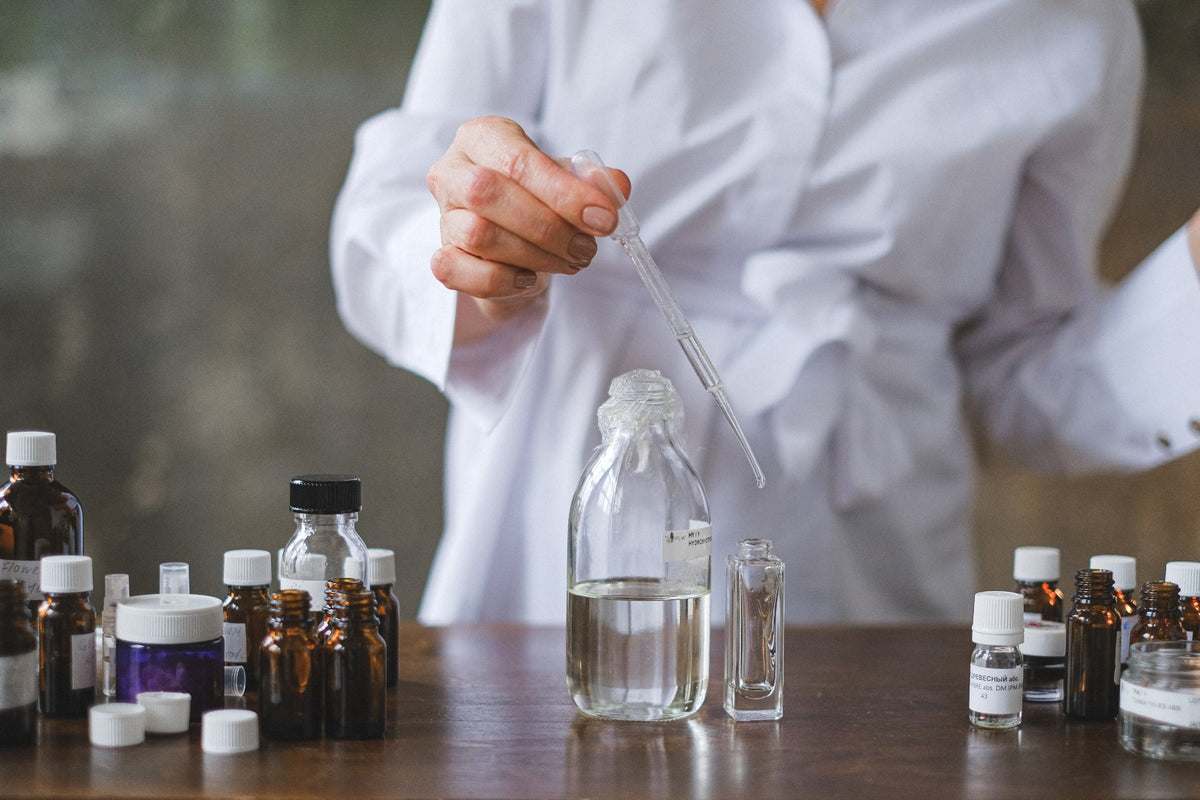
- Blend: In the palm of your hand or a small glass bottle, mix your 3 drops of palmarosa with 30ml of your chosen carrier.
- Massage: Take 2 to 3 drops of your finished blend and massage it into your face and neck using upward circular motions.
- Absorb: Allow the oil to absorb fully for 3 to 5 minutes before applying your sunscreen or makeup.
Integrating Palmarosa into a Holistic Routine
A successful skincare journey is about more than just one ingredient; it is about how that ingredient fits into a wider lifestyle. Palmarosa works best when supported by a healthy diet, adequate hydration, and stress management. Since stress is a major trigger for both acne and premature aging, the calming aromatic benefits of palmarosa can actually help improve your skin from the inside out by lowering cortisol levels during your evening routine.
Many of my readers ask how to dilute palmarosa oil for topical use when they want to target specific areas like the jawline or forehead. While the 1% rule remains the standard, you can occasionally increase the concentration to 2% for localized spot treatments, provided your skin has shown no sensitivity during the patch test. This versatility is why palmarosa remains one of the most cost-effective and efficient oils in a botanical cabinet.
FAQ
What are the main benefits of palmarosa oil?
The primary palmarosa oil benefits include its ability to balance oil production, provide deep hydration, and fight off bacteria that cause acne. Because it is rich in geraniol, it also helps with cell turnover, which improves skin texture and reduces the appearance of fine lines.
How do you use palmarosa oil for skin care?
The best way to use it is by diluting it in a carrier oil like jojoba or rosehip. Once diluted, it should be applied to clean, damp skin. It can be used as a standalone facial oil or a few drops of the diluted blend can be mixed into your regular fragrance-free moisturizer.
Can palmarosa oil help with acne?
Yes, it is highly effective. It has natural antimicrobial and antiseptic properties that target acne-causing bacteria. Furthermore, its ability to achieve sebum production balance prevents the pores from becoming clogged with excess oil in the first place.
How do you dilute palmarosa oil for topical use?
To achieve a safe 1% dilution for the face, mix 3 drops of the essential oil with 30ml of carrier oil. For body application, you can increase this to a 2% dilution, which is about 6 drops per 30ml. Always use high-quality, cold-pressed carrier oils for the best results.
Is palmarosa oil safe to apply directly to the skin?
No, you should never apply pure essential oils directly to the skin without a carrier oil. Doing so can cause significant irritation or allergic reactions. Always follow a proper palmarosa oil for face application guide that includes dilution and a patch test.