Quick Facts
- 2026 Study Focus: Recent meta-analysis confirms consistent lipid improvements across diverse patient groups.
- LDL Reduction: Clinical trials demonstrate a 6% to 9% average reduction in LDL cholesterol.
- Total Cholesterol: Participants showed an average 5% reduction within an 8-week period.
- Triglycerides: Significant potential reduction of over 16 mg/dL noted over 12 weeks of consistent intake.
- Daily Dosage: Experts recommend between 1.5 ounces (approx. 30g) to 2 ounces (approx. 57g) daily for therapeutic effect.
- Nutrient Density: A single serving provides over 19 vitamins and minerals, including high levels of manganese.
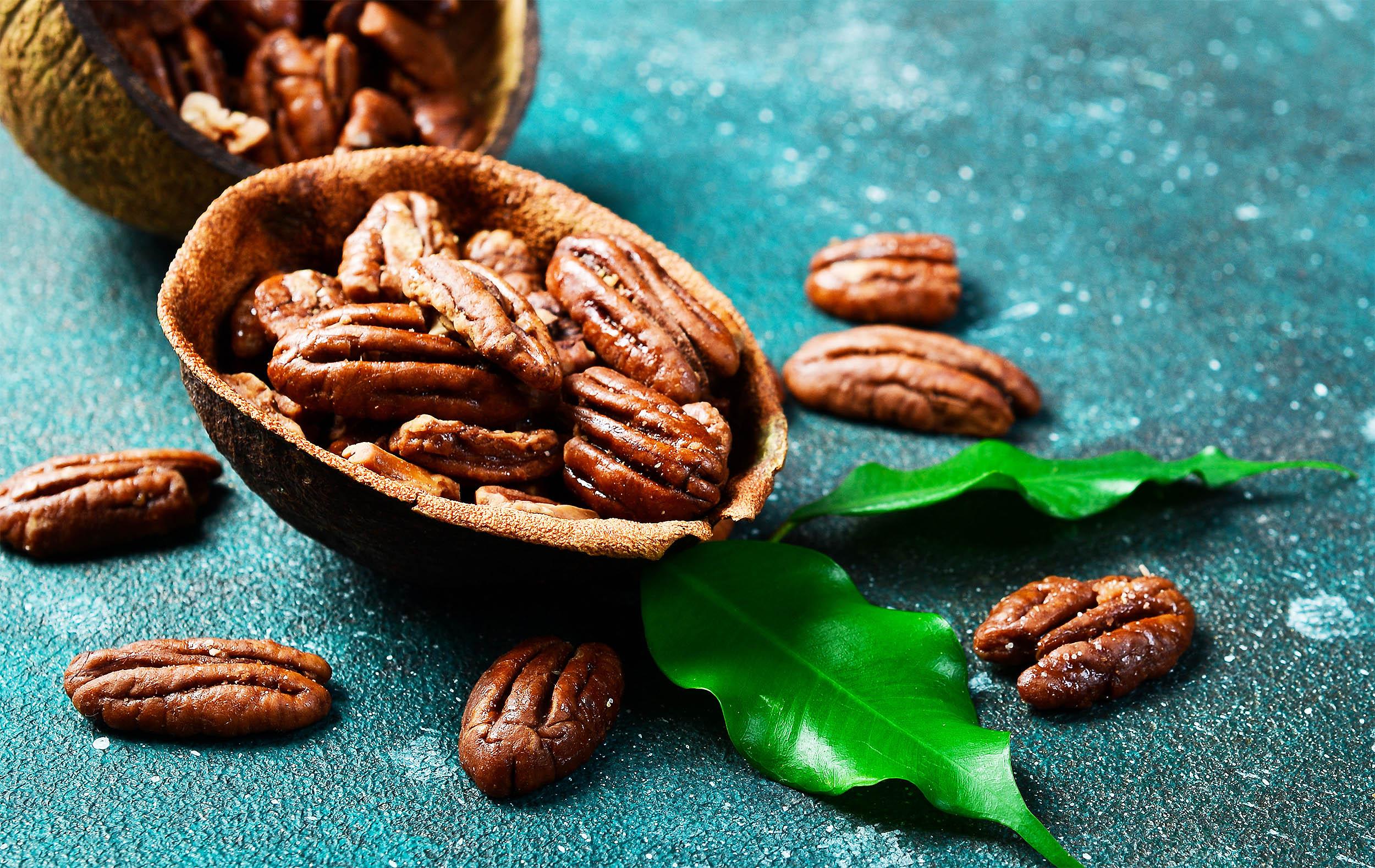
New clinical trials confirm that pecans lower cholesterol significantly when integrated into a heart-healthy diet. Recent 2026 findings highlight the daily pecan serving for cholesterol management and specific pecan nutritional components for heart health. Pecans improve lipid profiles by substituting saturated fats with heart-healthy monounsaturated and polyunsaturated fats. They contain bioactive compounds like plant sterols and fiber that work synergistically to reduce total and LDL cholesterol. Eating approximately 1.5 to 2 ounces of pecans daily can measurably lower bad cholesterol and improve overall diet quality by replacing processed snacks.

The Science: How Pecans Improve Lipid Profiles
The cardiovascular community has long looked at tree nuts as a pillar of the Mediterranean diet, but recent clinical evidence has narrowed the focus on how pecans improve lipid profiles specifically. A prominent University of Georgia clinical trial serves as the gold standard for this discussion. In this study, researchers observed that adults at risk for cardiovascular disease who incorporated pecans into their diet for an 8-week period experienced a 5% reduction in total cholesterol and a drop of between 6% to 9% in LDL cholesterol.
The primary driver behind these changes is the substitution strategy. When individuals use pecans to replace sources of refined carbohydrates or saturated fats—such as chips, croutons, or butter—the body receives a massive influx of monounsaturated fatty acids. These healthy fats help the liver clear LDL (low-density lipoprotein) from the bloodstream more efficiently. Furthermore, research indicates a notable impact on triglycerides, with some studies showing a reduction of up to 16 mg/dL.
However, as an editor focused on micronutrient science, I must emphasize the nuance in these findings. While the impact on lipids is robust, the latest research on pecans and cholesterol levels 2026 suggests that the benefits for vascular dilation, often measured by Flow-Mediated Dilation (FMD), are less pronounced than the lipid changes. This tells us that pecans are primarily a tool for managing the "building blocks" of arterial plaque rather than immediately changing the elasticity of the blood vessels themselves. Understanding this distinction is key to setting realistic expectations for your heart health journey.
Pecan Nutritional Components for Heart Health
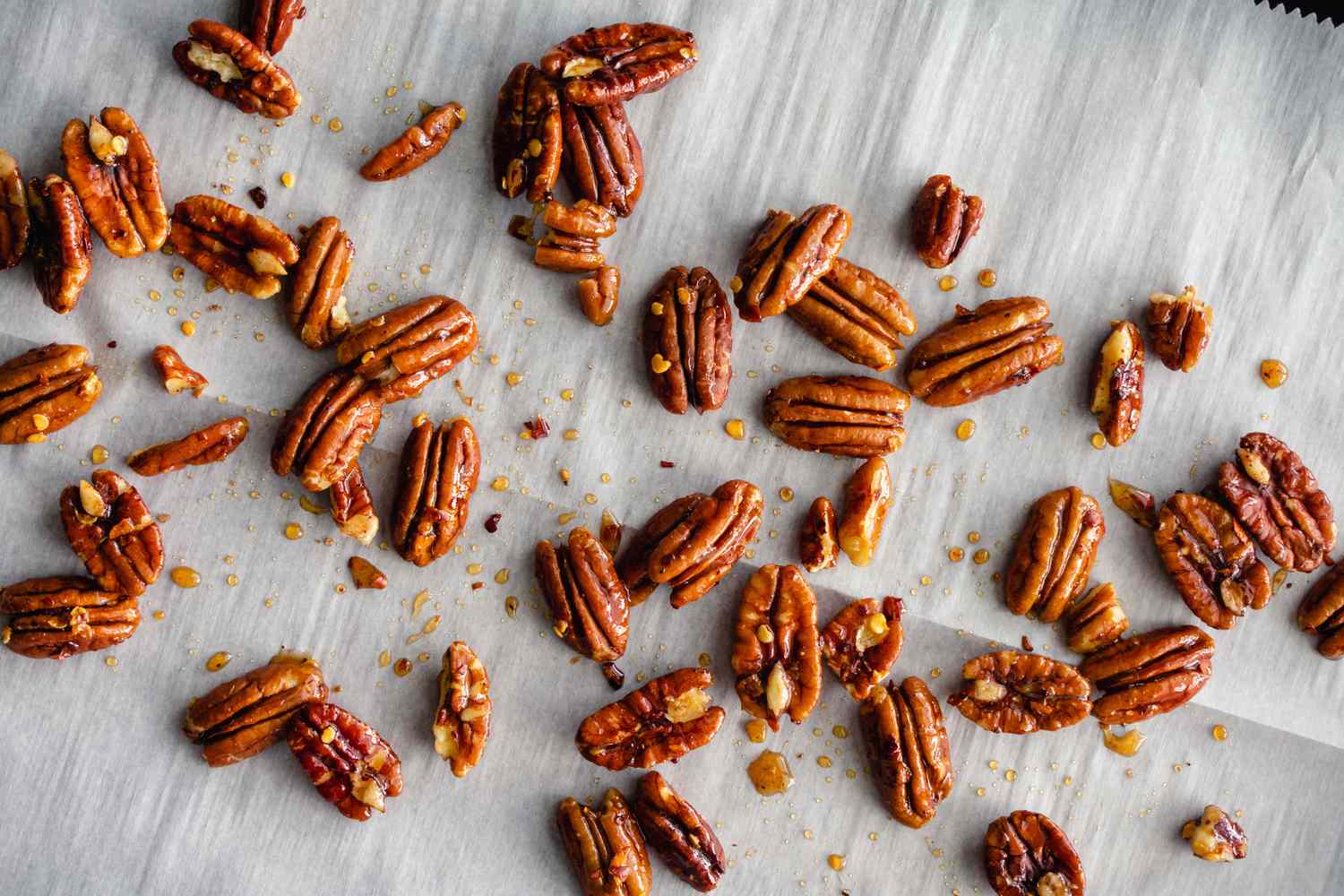
When we look beyond the healthy fats, we find a complex matrix of pecan nutritional components for heart health that work in tandem. Pecans are among the highest-ranking nuts for antioxidant capacity, largely due to their high concentration of gamma-tocopherols. This specific form of Vitamin E is crucial because it helps prevent the oxidation of LDL cholesterol. It is not just having high cholesterol that causes problems; it is when that cholesterol oxidizes and sticks to artery walls that the risk of coronary heart disease prevention becomes difficult to manage.
Pecans also serve as a rich source of plant sterols. These compounds are structurally similar to cholesterol and compete for absorption in the digestive tract. By effectively "blocking" the door, plant sterols ensure that less dietary cholesterol enters the bloodstream. When combined with the dietary fiber found in the pecan’s cell walls, you have a multi-layered defense system against rising lipid levels.
From a mineral perspective, pecans are a powerhouse of manganese and zinc. Manganese is a co-factor for several enzymes involved in metabolic health, while zinc supports immune function and cellular repair. Because pecans are naturally sodium-free and cholesterol-free, they provide these nutrients without the baggage of additives found in processed heart-health supplements. This unique profile led the FDA to acknowledge a qualified health claim stating that eating 1.5 ounces of nuts per day, as part of a diet low in saturated fat and cholesterol, may reduce the risk of heart disease.

Practical Protocol: Daily Pecan Serving for Cholesterol Management
To achieve the results seen in clinical trials, consistency is more important than quantity. The established daily pecan serving for cholesterol management is approximately 1.5 ounces. For the average person, this equates to about 20 pecan halves. While this might seem like a lot of calories—roughly 196 kcal—the key is to use them as a replacement. If you add 20 pecans on top of an already high-calorie diet, the weight gain might offset the lipid benefits. However, when pecans replace a processed snack or a side of bread, they increase satiety and stabilize blood sugar.
When selecting your nuts, the preparation method matters significantly. To maximize heart health, you should prioritize raw or dry-roasted varieties.
| Feature | Raw Pecans | Dry-Roasted Pecans | Oil-Roasted/Salted |
|---|---|---|---|
| Sodium Content | Zero | Zero | High (100mg+) |
| Added Sugars | Zero | Zero | Variable |
| Healthy Fats | Fully Intact | Fully Intact | Potential added oils |
| Best For | Smoothies & Salads | Snacking & Toppings | Avoid for Heart Health |
There is a common misconception that roasting destroys the nutrients in nuts. While very high heat can slightly reduce the antioxidant capacity, dry-roasting at moderate temperatures keeps the monounsaturated fatty acids and dietary fiber intact. The real danger lies in "honey-roasted" or "salted" varieties, which introduce sugars and sodium that can spike blood pressure and negate the benefits for cardiovascular health markers.
Pecan Nutrition by the Numbers
- Daily Serving: 1.5 oz (approx. 20 halves)
- Energy: 196 kcal
- Primary Fat: 20g (mostly Monounsaturated)
- Minerals: High in Manganese, Zinc, and Copper

Comparative Context: Pecans vs Walnuts and Emerging Research
A frequent question in my inbox is how pecans compare to other "super nuts" like walnuts. When looking at pecans vs walnuts for heart health and cholesterol, both are winners, but they offer different strengths. Walnuts are famous for their high levels of alpha-linolenic acid (an omega-3 fatty acid). Pecans, however, often contain higher levels of certain phenolic antioxidants and a more palatable flavor profile for those who find walnuts slightly bitter.
Recent meta-analyses covering the period from 2000 to 2025, recently published in the journal Nutrients, suggest that pecans may be particularly effective for individuals struggling with metabolic syndrome. Emerging research is also exploring how the fiber in pecans interacts with the gut microbiome. There is growing evidence that certain gut bacteria ferment pecan fiber into short-chain fatty acids that further help regulate the liver's cholesterol production.
Furthermore, with the rise of GLP-1 therapies for weight loss, researchers are looking at how nutrient-dense foods like pecans can help maintain muscle mass and provide essential minerals during periods of reduced caloric intake. The latest research on pecans and cholesterol levels 2026 continues to reinforce that whole-food sources of fats are superior to isolated supplements because of the synergy between the fiber, fats, and minerals.
FAQ
How many pecans should I eat a day to lower cholesterol?
To see a measurable difference in your lipid profile, you should aim for a daily serving of 1.5 ounces, which is roughly 20 to 22 pecan halves. It is important to integrate these as a replacement for less healthy fats or refined carbohydrates rather than simply adding them to your current calorie intake.
Do pecans lower LDL cholesterol levels?
Yes, clinical evidence shows that pecans can lower LDL cholesterol by an average of 6% to 9%. They achieve this through a combination of high monounsaturated fat content and bioactive compounds like plant sterols that inhibit the absorption of cholesterol in the gut.
Are pecans better than walnuts for heart health?
Neither is strictly "better," as they offer complementary benefits. Walnuts are higher in omega-3 fatty acids, while pecans have a higher antioxidant capacity and different phenolic compounds. A heart-healthy diet can benefit from including both, though pecans are often preferred for their taste and high manganese content.
How long does it take to see cholesterol benefits from eating pecans?
Most clinical trials, including those from the University of Georgia, show significant improvements in cholesterol markers within 8 weeks of consistent daily consumption. Some individuals may see changes in their triglyceride levels in as little as 4 weeks, but long-term consistency is required to maintain these results.
Should I eat raw or roasted pecans for cholesterol management?
Raw or dry-roasted pecans are the best choice. You should avoid oil-roasted, salted, or sugar-glazed pecans, as the added sodium and sugar can negatively impact blood pressure and metabolic health, potentially outweighing the natural benefits of the nut.
The evidence is clear: pecans are more than just a pie ingredient. They are a sophisticated, nutrient-dense tool for lipid management. By incorporating 1.5 ounces of these nuts into your daily routine—perhaps by adding them to your morning oatmeal or a fresh spinach salad—you are leveraging decades of nutritional science to protect your cardiovascular system. As always, discuss any major dietary changes with your healthcare provider, especially if you are currently taking cholesterol-lowering medication.