Quick Facts
- Standard Range: According to the American Heart Association and Mayo Clinic, a normal resting heart rate for adults typically ranges from 60 to 100 beats per minute.
- Mortality Connection: A significant meta-analysis involving more than 1.2 million participants found that the risk of all-cause mortality increases by 9% for every 10 beats per minute increment in your baseline pulse.
- The Athlete Advantage: Elite athletes often maintain an average resting pulse as low as 40 to 60 beats per minute due to high stroke volume and superior aerobic conditioning.
- Longevity Data: Research tracking 3,000 men for 16 years indicated that those with a pulse between 81 and 90 bpm had double the risk of death compared to those with lower rates.
- Gender Factors: Women typically have slightly higher resting heart rates than men because smaller heart sizes require more frequent beats to achieve the necessary cardiac output.
- Actionable Goal: A sustainable target for those starting a fitness journey is to aim for an improvement of 1 beat per week through consistent cardiovascular exercise.
A normal resting heart rate for most adults ranges from 60 to 100 beats per minute (bpm). This baseline serves as a key indicator of cardiovascular efficiency and overall healthspan, where a lower resting heart rate generally suggests a more efficient heart and better aerobic conditioning.
Normal Heart Rate by Age: The Complete Chart
Understanding what constitutes a normal heart rate by age is the first step in assessing your cardiovascular health. While the 60 to 100 bpm range is the clinical standard for adults, our physiological baseline shifts as we move through different stages of life. In infancy, the heart beats much faster to support rapid growth and a higher metabolic rate. As we age, the heart muscle matures, and the autonomic nervous system takes a more refined control over our pulse.
By the time you reach your 40s, your resting heart rate tends to stabilize. However, staying within the normal resting heart rate chart for adults by age becomes increasingly important as a predictor of longevity. For seniors, maintaining a steady pulse is a sign of heart muscle resilience. While a resting heart rate 50 bpm for non athletes meaning might be cause for investigation in some contexts, for a highly active individual, it could simply reflect a very efficient cardiovascular system.
| Age Group | Normal Range (bpm) | Optimal / Athlete Range (bpm) |
|---|---|---|
| Newborns (0-3 months) | 100 – 150 | N/A |
| Infants (3-12 months) | 80 – 120 | N/A |
| Children (1-10 years) | 70 – 120 | 60 – 90 |
| Adults (18-64 years) | 60 – 100 | 40 – 60 |
| Seniors (65+ years) | 60 – 100 | 50 – 70 |
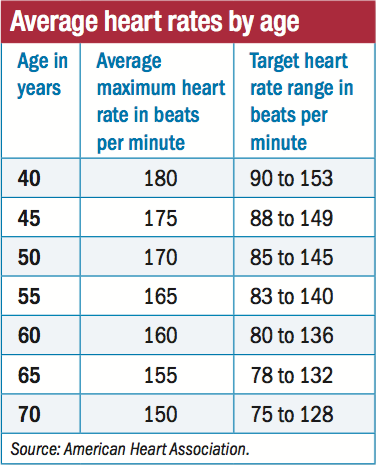
It is important to note that a normal resting heart rate for seniors over 65 remains in the 60 to 100 range, but physicians often look for consistency rather than just the number itself. If you are a senior and notice your pulse creeping toward the higher end of the spectrum, it may be time to discuss your cardiovascular efficiency with a professional.
Gender Differences and the Gulati Formula
When discussing the average resting pulse, gender plays a significant role that is often overlooked in general health guides. Biologically, women tend to have smaller hearts than men. To compensate for this smaller size and still provide the same cardiac output required to move blood through the body, a woman's heart must beat slightly faster. This is why the resting heart rate for female athletes vs average women can still be higher than their male counterparts with similar fitness levels.
To provide a more accurate framework for women's heart health, researchers developed the Gulati Formula. Traditional heart rate calculations often relied on data derived primarily from men, which didn't always reflect female physiology accurately.
The Gulati Formula for Women
Target Peak Heart Rate = 206 - (0.88 x age)
This formula helps women set more realistic and safe targets for cardiovascular exercise compared to the traditional "220 minus age" rule.
Understanding these nuances helps prevent unnecessary worry. If a woman notices her pulse is five beats higher than her husband’s despite similar activity levels, it is often a matter of stroke volume and heart size rather than a lack of fitness.
How to Measure Your Pulse Accurately at Home
You don't need expensive equipment to keep an eye on your cardiovascular health. Knowing how to measure pulse accurately is a fundamental skill for anyone interested in their healthspan. While wearable biosensors and smartwatches have made tracking easier, manual checks remain the gold standard for verifying your physiological baseline.
To learn how to measure resting heart rate accurately at home, follow these steps:
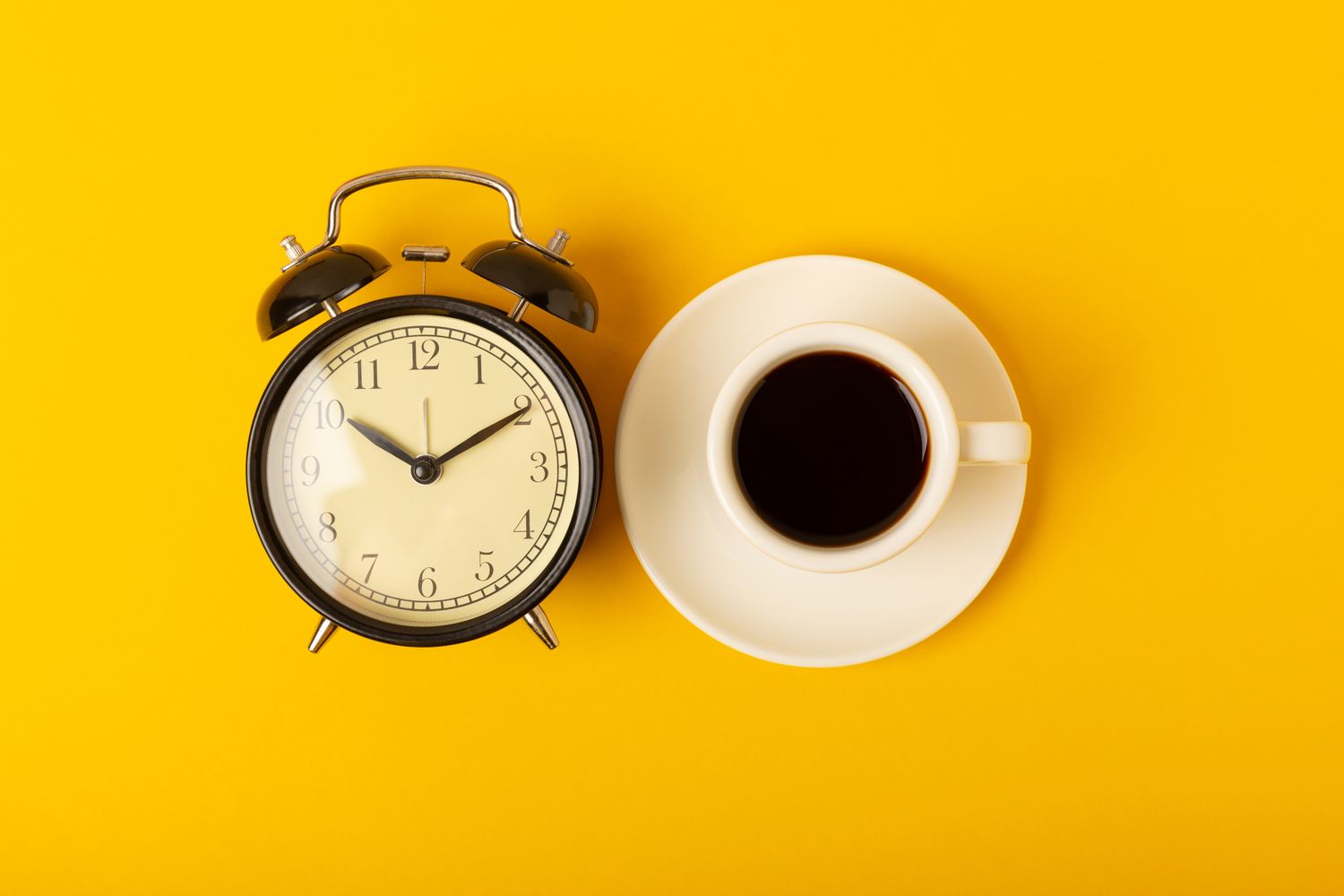
- Timing is Everything: The best time to check is first thing in the morning, after a good night's sleep and before you get out of bed or consume caffeine.
- Find Your Rhythm: Use your index and middle fingers to find the radial artery on the thumb side of your wrist. Do not use your thumb, as it has its own pulse that can confuse the count.
- The Count: Press lightly until you feel the beat. Count the number of beats for a full 60 seconds for the most accurate reading. Alternatively, count for 30 seconds and multiply by two.
- Stay Still: Ensure you are sitting or lying down comfortably. Even slight movement or talking can temporarily elevate your heart rate.
By establishing a "Morning-before-bed" protocol, you can track your recovery tracking trends over time. If you notice your resting heart rate is consistently higher on mornings following a late-night workout or a stressful day, your body is likely telling you it needs more time for recovery.
Factors That Cause a Sudden Increase in Resting Heart Rate
It can be startling to see a sudden jump in your pulse on your fitness tracker. However, a variety of lifestyle factors can cause a temporary spike without indicating a chronic heart condition. Your autonomic nervous system is highly sensitive to external stimuli, and your heart rate is the first to respond.
Common reasons for a sudden increase in resting heart rate include:
- Dehydration: When blood volume drops due to lack of fluids, the heart must beat faster to maintain blood pressure.
- Stress and Anxiety: The "fight or flight" response releases adrenaline, which immediately bumps up your beats per minute.
- Sleep Hygiene: Poor sleep quality prevents the heart from reaching its lowest natural rate during the night, leading to a higher baseline the next day.
- Caffeine and Stimulants: The impact of caffeine and stress on resting pulse is well-documented; a single double espresso can elevate your rate for several hours.

While these triggers are often temporary, chronic exposure to stress or poor sleep hygiene can lead to a permanently elevated resting heart rate. Monitoring these trends helps you identify which lifestyle adjustments—like better hydration or improved sleep—will have the most significant impact on your heart health.
Red Flags: Tachycardia, Bradycardia, and When to See a Doctor
While a wide range is considered normal, there are specific boundaries where a resting heart rate becomes a clinical concern. These conditions are known as Tachycardia and Bradycardia.
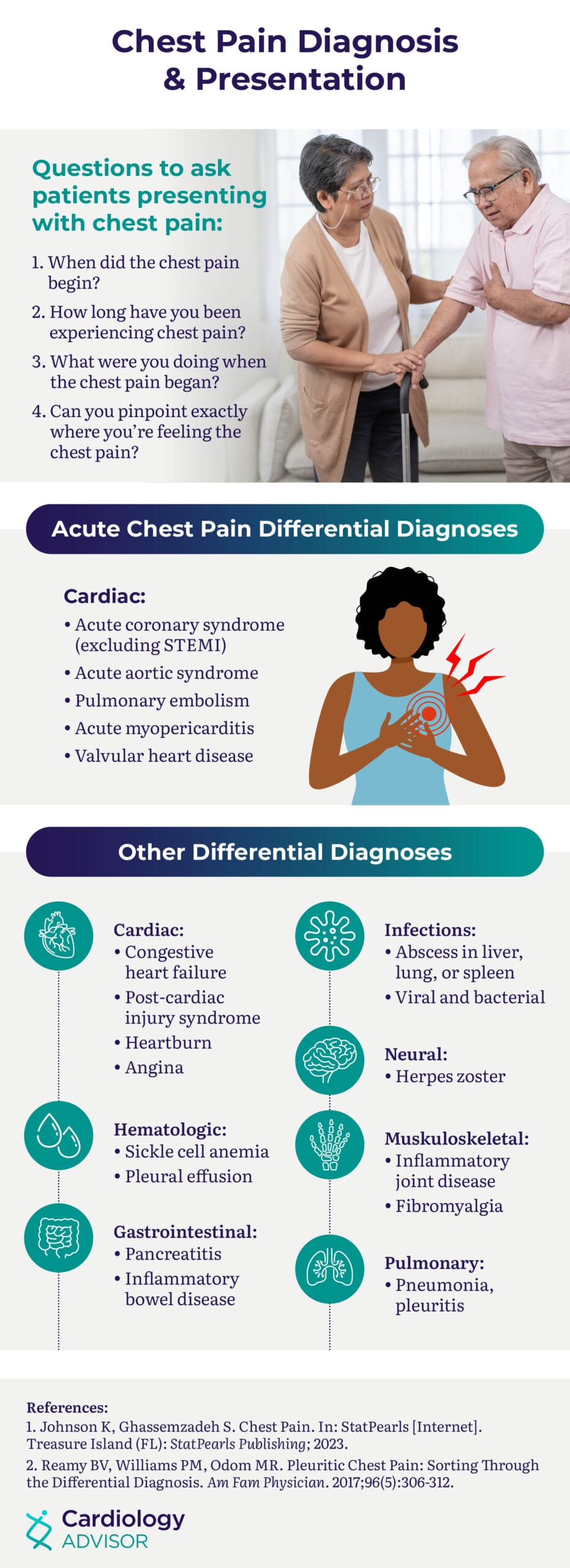
Tachycardia is defined as a resting heart rate consistently above 100 bpm. If you are not exercising or stressed and your heart is racing, it could be a sign of underlying issues. You should be aware of the symptoms of a high resting heart rate to watch for, which include chest pain, palpitations, or shortness of breath.
Bradycardia is a resting heart rate below 60 bpm. This is often a sign of excellent fitness in athletes, known as "Athlete's Bradycardia." However, if you are not an athlete and your pulse is very low, it might mean the heart isn't pumping enough oxygen-rich blood to the body.
Red Flag Symptoms Checklist
Seek medical advice if a high or low heart rate is accompanied by:
- Dizziness or lightheadedness
- Fainting spells (syncope)
- Extreme fatigue or lethargy
- Shortness of breath during light activity
- Frequent "skipped" beats or fluttering sensations
If you find that your resting heart rate 50 bpm for non athletes meaning is accompanied by feeling faint, it is essential to consult a healthcare provider to rule out electrical issues within the heart.
How to Improve Your Resting Heart Rate
The good news is that your heart is a muscle, and like any muscle, it can be trained to be more efficient. Learning how to improve resting heart rate through cardiovascular exercise is one of the most effective ways to increase your healthspan.
When you engage in consistent aerobic conditioning, your heart's stroke volume increases. This means each single beat pumps more blood than it did before. Consequently, the heart doesn't need to beat as often to move the same amount of blood, leading to a lower resting heart rate.
A great way to start is the "1 beat per week" rule. By adding 150 minutes of moderate-intensity activity—like brisk walking, swimming, or cycling—to your weekly routine, many people see their average resting pulse drop gradually. This slow, steady improvement is a sign that your cardiovascular efficiency is increasing, reducing the long-term strain on your heart and lowering your risk of future complications.
FAQ
What is a normal resting heart rate for adults?
For most healthy adults, a normal resting heart rate is between 60 and 100 beats per minute. However, many health experts suggest that a rate on the lower end of this scale, typically between 50 and 70 bpm, is often a sign of better cardiovascular fitness and heart health.
How can I lower my resting heart rate naturally?
The most effective way is through regular cardiovascular exercise which strengthens the heart muscle. Additionally, managing stress through meditation, ensuring you get 7-9 hours of quality sleep, staying hydrated, and limiting stimulants like caffeine and nicotine can all help lower your pulse over time.
What are the symptoms of a high resting heart rate?
While some people may not feel any symptoms, others might experience heart palpitations, a racing sensation in the chest, shortness of breath, or a feeling of lightheadedness. If a high pulse is sustained, it can lead to physical fatigue and a decreased ability to perform exercise.
How do I accurately measure my resting heart rate?
The best method is to check your pulse manually at the radial artery on your wrist first thing in the morning. Count the beats for a full 60 seconds while you are completely relaxed and lying down. Using a wearable device can also provide helpful long-term data trends.
When should I be concerned about my resting heart rate?
You should consult a doctor if your resting pulse is consistently above 100 bpm or below 60 bpm (if you aren't an athlete), especially if these numbers are accompanied by dizziness, fainting, chest pain, or a sudden change from your usual baseline.
Does a low resting heart rate mean I am fit?
Not necessarily, though it often does for active individuals. In athletes, a low rate is a sign of a strong heart. However, in non-athletes, a very low rate could indicate a condition called bradycardia, where the heart isn't pumping enough blood, making it important to look at your pulse in the context of your overall activity level and symptoms.