Quick Facts
- Safety First: Lifestyle changes and home exercises cannot safely dissolve an existing blood clot; safe medical treatments for dissolving blood clots in legs require specialized care from a vascular surgeon.
- The Gold Standard: Graduated compression therapy is the most effective clinical tool for managing lower extremity hemodynamics and preventing blood pooling.
- Movement Multiplier: Walking is the ultimate circulation booster, as it engages the calf muscle pump to move blood against gravity.
- Prevention Impact: Approximately 70% of healthcare-associated venous thromboembolism cases are preventable through the use of clinical measures like anticoagulant medications or compression stockings.
- Exercise Benefits: Engaging in consistent physical activity can reduce your risk of developing major circulatory or heart diseases by as much as 35%.
- Fit Matters: For compression stockings to be effective, you must measure your legs first thing in the morning when swelling is at its lowest.
To improve leg circulation, you must focus on activating the calf muscle pump through consistent movement, such as walking or specific leg exercises, while utilizing compression therapy to support your venous valves. These methods prevent blood from pooling in the lower extremities, though it is important to remember that if a clot is already present, you must seek medical intervention through anticoagulant medication or thrombolytic therapy, as lifestyle habits alone cannot dissolve a formed thrombus.
Emergency vs. Maintenance: Understanding Blood Clots
When we talk about vascular health, it is vital to distinguish between maintaining healthy flow and dealing with a medical emergency. Improving blood flow is a daily commitment to lifestyle habits, but dissolving a clot is a strictly clinical process. If you suspect you have an existing blockage, you need to understand that blood clot prevention tips are for the future, while the present requires immediate professional diagnosis.
The most dangerous condition involving leg circulation is Deep Vein Thrombosis (DVT). This occurs when a clot forms in the deep veins, usually in the lower leg or thigh. If a piece of that clot breaks off, it can travel to the lungs, causing a life-threatening Pulmonary Embolism (PE). Because of this risk, you should never attempt to massage a leg that shows signs of blood clots in legs, as the physical pressure could dislodge the thrombus.
Knowing the early warning signs of deep vein thrombosis in calf is essential for every adult. These signs usually appear in only one leg and include localized swelling, skin that feels warm to the touch, and a persistent, cramp-like pain. If you notice these symptoms, a doctor will typically perform a Doppler ultrasound to confirm the presence of a clot. From there, safe medical treatments for dissolving blood clots in legs will involve anticoagulant medication to prevent the clot from growing or thrombolytic therapy to actively break it down in severe cases.
The Science of Compression Therapy for Leg Circulation
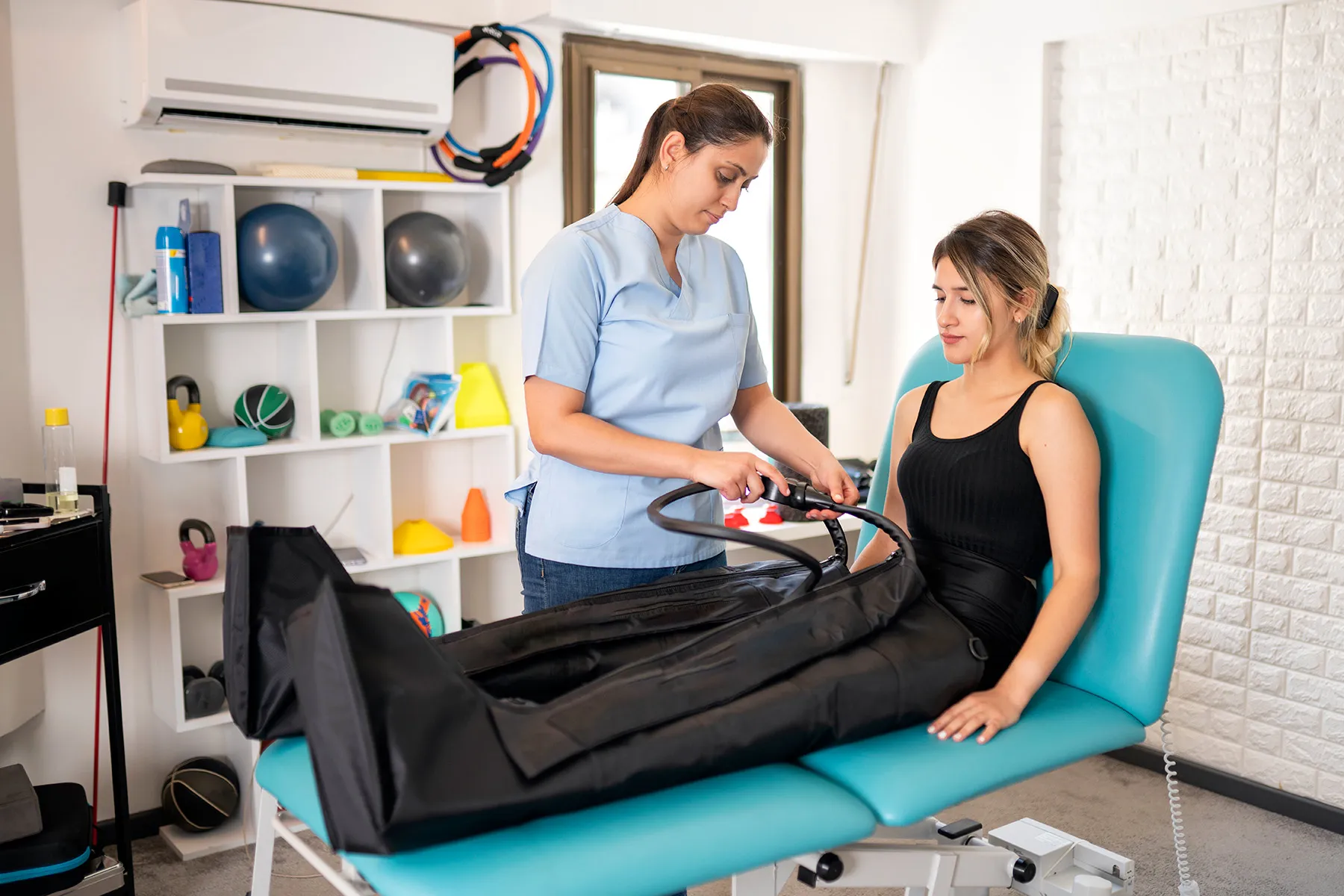
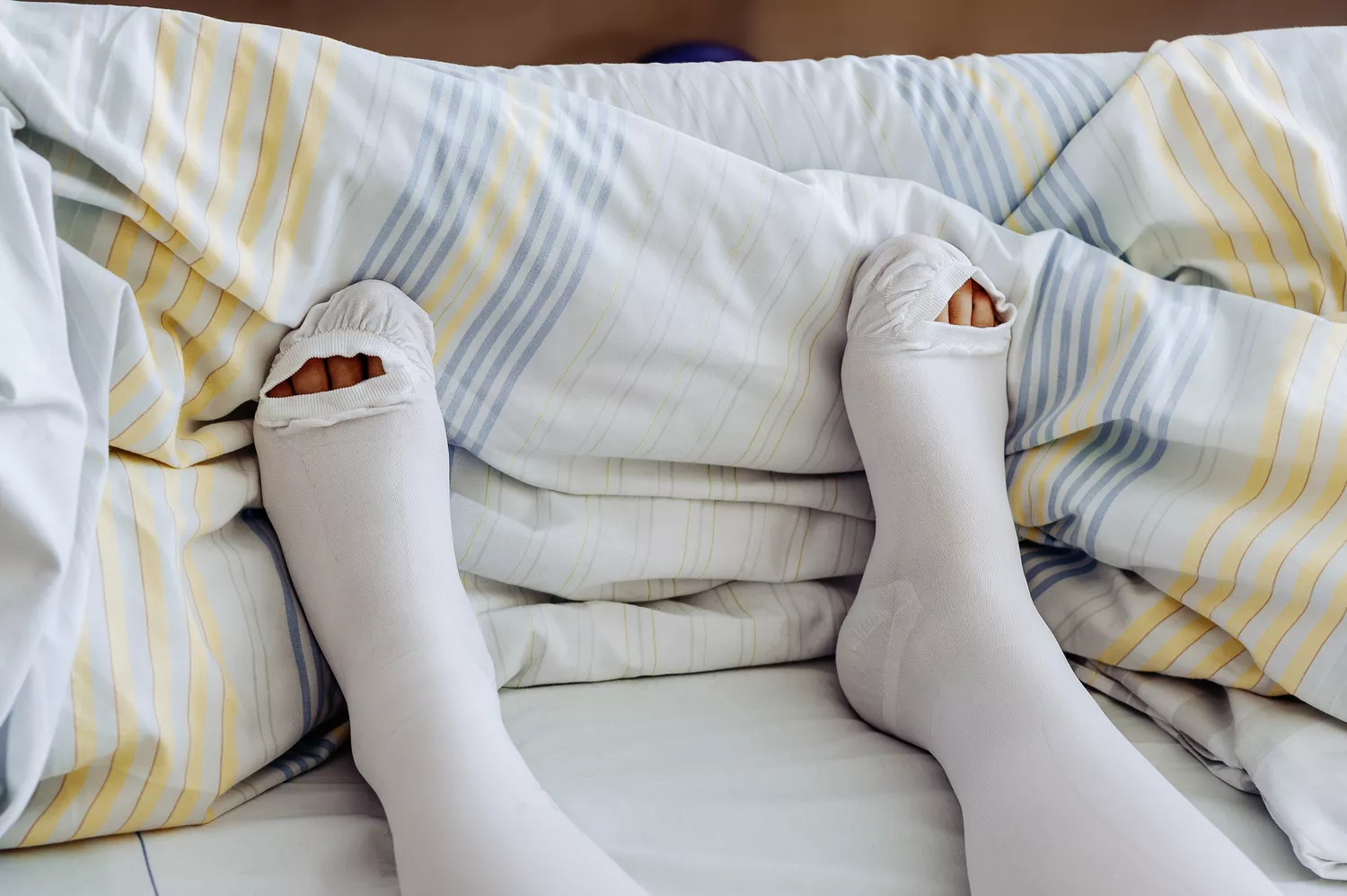
One of the most effective non-invasive tools for vascular health is compression therapy for leg circulation. The mechanics are simple yet powerful: by applying external pressure to the limb, you reduce the diameter of the distended veins. This increases the velocity of blood flow and helps the venous valves close more effectively, preventing the backward flow of blood known as reflux.
When you look at how to choose compression stockings for poor circulation, you will notice they are categorized by pressure levels measured in millimeters of mercury (mmHg).
- Over-the-Counter (15-20 mmHg): Ideal for people who stand or sit for long periods, travelers, or those experiencing mild Edema Management needs.
- Medical Grade (20-30 mmHg): Often prescribed by doctors for patients with Varicose Veins or those recovering from surgery.
- High Compression (30-40+ mmHg): Used for severe chronic venous insufficiency and must be fitted under strict medical supervision.
The "graduated" part of these stockings is the secret to their success. They are tightest at the ankle and gradually decrease in pressure as they move up the leg. This gradient works with your body to push fluid through the lymphatic system and back toward the heart. If you are dealing with chronic swelling or heaviness, these stockings provide the mechanical support your vascular system needs to function efficiently.
Activation: Calf Muscle Pump and Daily Habits
Your heart is a powerful pump, but it has a "second heart" in the lower body: the calf muscle pump. When you walk, your calf muscles contract and squeeze the deep veins, forcefully pushing blood upward. Without this muscle activation, blood can pool in the feet and ankles, leading to discomfort and an increased risk of DVT.
For those who work at a desk or have limited mobility, performing leg exercises for poor circulation while sitting is a game-changer. You don't need a gym to keep your blood moving. Simple ankle pumps—flexing your feet up and down repeatedly—can significantly stimulate flow. You can also perform "alphabet" exercises, where you trace the letters of the alphabet with your toes to engage different muscle groups in the lower leg.
Research has shown the incredible impact of strength training on vascular health. In fact, short-term strength training programs have been shown to increase basal femoral blood flow and vascular conductance in healthy middle-aged and older adults by approximately 55% to 60%. This suggests that building muscle isn't just about aesthetics; it is about creating a more robust "pump" for your circulatory system.
Beyond specific exercises, combining compression therapy and walking for vascular health creates a synergistic effect. The stockings provide the external pressure, while the walking provides the internal muscular squeeze. Making this a part of your daily habits for blood clot prevention in legs—such as taking a 10-minute walk every two hours—is one of the most proactive steps you can take for your long-term health.
Holistic Support: Natural Ways and Nutrition
While mechanical aids and movement are the primary drivers of circulation, what you put into your body also plays a supportive role. There are several natural ways to improve leg circulation at home that start in the kitchen. Hydration is arguably the most important factor; when you are dehydrated, your blood becomes more viscous (thicker), making it harder for your heart and veins to move it through the body.
Nutrition also supports the health of your blood vessel walls. When considering the best foods and supplements for leg blood flow, focus on:
- Flavonoid-rich foods: Berries, citrus fruits, and leafy greens help strengthen the lining of the blood vessels.
- Omega-3 fatty acids: Found in fatty fish and walnuts, these help reduce inflammation within the vascular system.
- Nitric oxide boosters: Foods like beets and garlic help dilate blood vessels, allowing blood to flow more freely.
- Fiber: A high-fiber diet aids in weight management, which is crucial because excess weight puts significant physical strain on the venous valves in your legs.
Managing your weight reduces the intra-abdominal pressure that can hinder blood returning from the legs to the heart. By combining a heart-healthy diet with consistent hydration, you provide the chemical foundation necessary for your mechanical efforts—like exercise and compression—to succeed.
Safety Check: Contraindications for Compression
While compression is a cornerstone of vascular health, it is not safe for everyone. Before you begin using high-level compression, you must ensure that your arterial circulation is healthy. If you have significant Peripheral Arterial Disease (PAD), applying external pressure could actually restrict the oxygenated blood trying to reach your feet, leading to a risk of ischemia.
Important Contraindications: Do not use compression stockings without consulting a vascular surgeon if you have advanced peripheral neuropathy (loss of sensation in the feet), congestive heart failure, or active skin infections on the legs.
If you ever feel numbness, tingling, or a change in skin color while wearing compression, remove the garment immediately. Safety always comes first, and a professional evaluation—often including a Doppler ultrasound—is the only way to be 100% certain that compression is the right choice for your specific anatomy.
FAQ
How can I improve blood flow in my legs?
To improve blood flow, you should prioritize regular movement to activate the calf muscle pump and consider using graduated compression stockings. Staying hydrated and maintaining a healthy weight also reduce the strain on your vascular system, making it easier for blood to return to the heart.
What are the signs of poor circulation in the legs?
Common signs include persistent swelling in the ankles or feet, a feeling of heaviness or aching in the legs, cold toes, and skin discolorations. In more advanced cases, you might notice varicose veins or slow-healing sores on the lower legs.
What exercises are best for leg circulation?
Walking is considered the best overall exercise because it naturally engages the calf muscles. Other effective options include cycling, swimming, and simple foot exercises like ankle rotations and toe flexes that can be done while sitting.
Does walking help with poor leg circulation?
Yes, walking is highly effective. It mechanically squeezes the veins in your legs, which helps move blood past the venous valves and prevents pooling. Even short, frequent walks throughout the day can significantly lower the risk of developing clots.
Do compression socks actually help with circulation?
Yes, they are clinically proven to help. By applying graduated pressure, they reduce the diameter of veins and increase the speed of blood flow. This prevents blood from stagnanting in the lower extremities and helps manage symptoms like edema and leg fatigue.