Quick Facts
- The 5% Rule: While roughly 80% of people experience lower back pain at some point in their lives, it is estimated that only 5% to 10% of those cases are actually sciatica.
- The Clinical Marker: True sciatica is unique because pain radiates below the knee in approximately 95% of true sciatica cases, serving as a definitive filter.
- The Primary Cause: Approximately 90% of sciatica cases are caused by a herniated lumbar disc resulting in nerve root compression.
- Sensation Contrast: Sciatica symptoms often involve an electric shock or burning feeling, whereas a muscle strain typically presents as a dull, localized ache.
- The 8-Week Threshold: Pain that persists longer than eight weeks is classified as chronic sciatica and generally requires a professional orthopedic evaluation.
- Unilateral Distribution: In the vast majority of cases, the discomfort is one sided leg pain and numbness symptoms rather than affecting both limbs simultaneously.
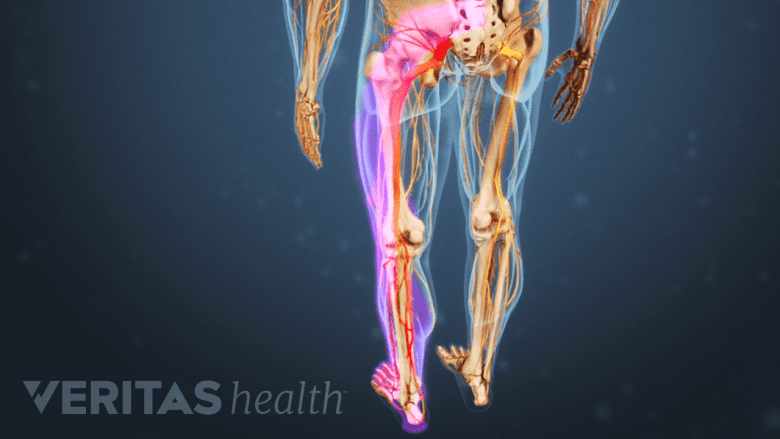
Sciatica symptoms are distinguished from a muscle strain by the path of the pain. While a strain causes localized soreness in the lower back, the hallmarks of sciatica vs muscle strain involve radiating discomfort traveling from the lumbar spine through the glutes and down the leg, often persisting even during rest.
Nerve vs. Muscle: Identifying Pain Sensations
When you first feel that sharp twinge in your lower back, your mind likely jumps to the worst-case scenario. However, understanding the specific nerve pain sensations you are experiencing can help you determine whether you are dealing with a simple structural pull or something involving the sciatic nerve. A muscle strain is an injury to the fibers of the muscle or tendons, usually caused by overstretching. It feels like a deep, throbbing ache that is tender to the touch. You can usually point to the exact spot where it hurts.
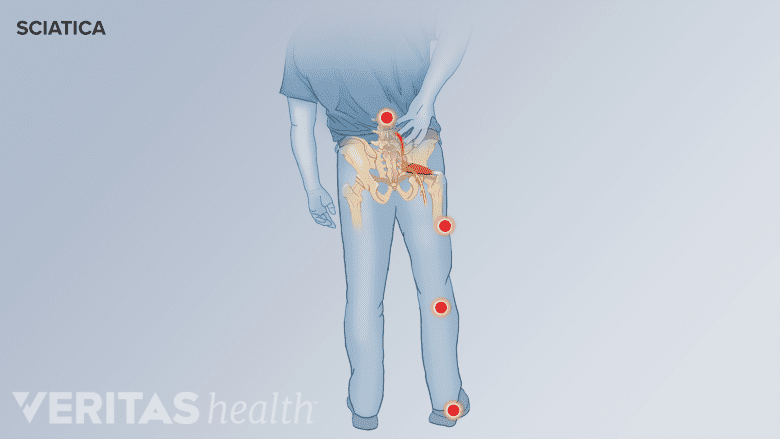
In contrast, sciatica symptoms are neurological in nature. Because the sciatic nerve is the longest and thickest nerve in your body, its irritation creates a much more complex internal experience. Instead of a dull ache, you might feel a sciatica electric shock sensation in leg that seems to travel along a specific wire-like path. This is often accompanied by pins and needles in foot sciatica patients describe as a tingling or "falling asleep" feeling that won't go away.
| Variable | Muscle Strain | Sciatica (Nerve Pain) |
|---|---|---|
| Pain Quality | Dull, heavy, or throbbing ache | Searing, burning, or electric shock |
| Location | Localized to the lower back or hip | Radiating from back to thigh, calf, or foot |
| Sensory Changes | None; just soreness | Numbness, tingling, or weakness |
| Triggers | Moving the specific muscle | Sitting, coughing, or sneezing |
| Distribution | Can be on both sides | Almost always a unilateral distribution |
One of the most telling signs of nerve compression in lower back regions is how the pain responds to different positions. A muscle pull usually feels better when you sit down or find a comfortable reclining position. Sciatica, however, often intensifies during prolonged sitting. The pressure on the lumbar spine increases when seated, which can further irritate a compressed nerve root, making the radiating discomfort feel like a hot poker running down your leg.
The 'Below the Knee' Rule and Physical Triggers
Medical professionals often use a simple geographic marker to help differentiate between various types of back issues. This is known among clinicians as the "Below the Knee" rule. If your back pain stops at your mid-thigh or your hip, there is a high probability that it is a localized musculoskeletal issue, such as a strained hamstring or a gluteal muscle tear. However, when the sciatic nerve pain patterns involve discomfort that travels past the knee joint and into the calf or even the toes, the likelihood of a nerve-related issue skyrockets.
This happens because the sciatic nerve originates from several nerve roots in the lumbar spine (specifically the L4-S1 vertebrae). These roots join together to form the large sciatic nerve, which then branches out as it travels down the leg. When there is nerve root compression at the spine, the brain interprets the signal as coming from anywhere along that nerve's path. This is why you might feel a sciatica pain traveling from hip to foot even though the actual injury is located in your lower back.
Physical triggers also provide a massive clue. Because the sciatic nerve is physically connected to the spinal column, any action that increases "intrathecal pressure"—the pressure inside the spinal canal—can cause a sudden flare-up. Have you ever felt a sharp, searing pain down your leg when you sneezed or coughed? That is a classic indicator of a disc issue pressing on a nerve. A pulled muscle in your back might hurt when you twist, but it rarely sends a lightning bolt to your ankle just because you cleared your throat.
Understanding the Root Causes: From Herniated Discs to Piriformis Syndrome
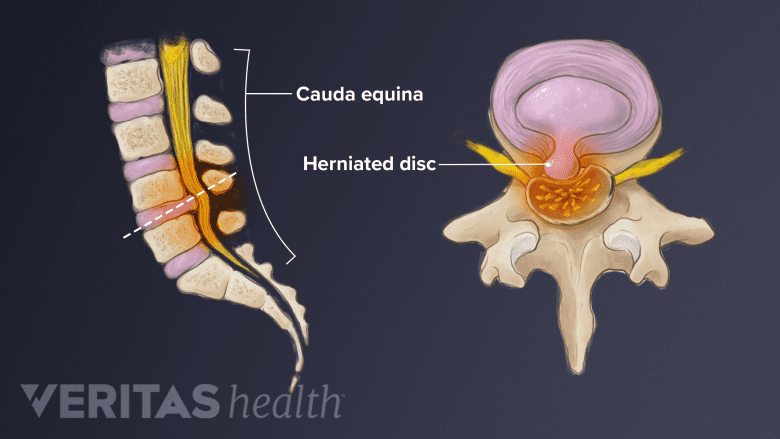
To truly understand how to tell if back pain is sciatica or muscle strain, we have to look at the anatomy under the surface. As noted, the vast majority of these cases stem from a herniated disc. Think of your spinal discs as jelly donuts; when the outer ring tears, the inner "jelly" can leak out and chemically irritate or physically pinch the nearby nerve roots. This mechanical pressure is what initiates the cascade of sciatica symptoms.
However, the spine isn't always the culprit. Sometimes the nerve is pinched further down the line. A condition called piriformis syndrome occurs when the piriformis muscle, located in the buttock region, becomes tight or spasms. Since the sciatic nerve runs directly under (or sometimes through) this muscle, a tight piriformis can mimic the sensations of a spinal issue. This is why a comprehensive neurological exam is so important; a specialist needs to determine if the compression is happening at the L4-S1 vertebrae or further down in the soft tissue of the hip.
Other factors like spinal stenosis—a narrowing of the spaces within your spine—can also lead to chronic irritation. This is more common in older adults and often presents as a heavy feeling in both legs, though it can still produce the classic one sided leg pain and numbness symptoms if the narrowing is more pronounced on one side. Regardless of the cause, the common thread is that a nerve is being deprived of its normal space and blood flow, leading to the "shouting" signals of pain and tingling.
The 8-Week Rule: Most acute back pain and minor nerve irritations resolve within six to eight weeks with conservative care. If your symptoms persist beyond this window, or if the pain is so severe that it prevents daily movement, it is no longer considered acute. Chronic cases often require imaging like an MRI to see soft tissue or an EMG to test how well electrical signals are traveling through the nerve.
Timing and Medical Evaluation: When It Becomes Chronic
The timeline of your recovery is a major diagnostic tool. A standard muscle strain usually follows a predictable path: it is very painful for the first 48 to 72 hours, then gradually improves over the next two weeks as the tissue heals. By the end of a month, most people are back to their normal activities, perhaps with just a bit of lingering stiffness.
Sciatica symptoms don't always follow this linear improvement. Because nerves heal much slower than muscles, the discomfort can linger for months. If you find that you are still experiencing that electric shock sensation or foot numbness after two months, it is time to seek an orthopedic evaluation. At this stage, a doctor might recommend physical therapy exercises specifically designed to "floss" the nerve—a technique that helps the nerve glide more smoothly through its surrounding tissues—or decompression stretches to take the pressure off the lumbar spine.
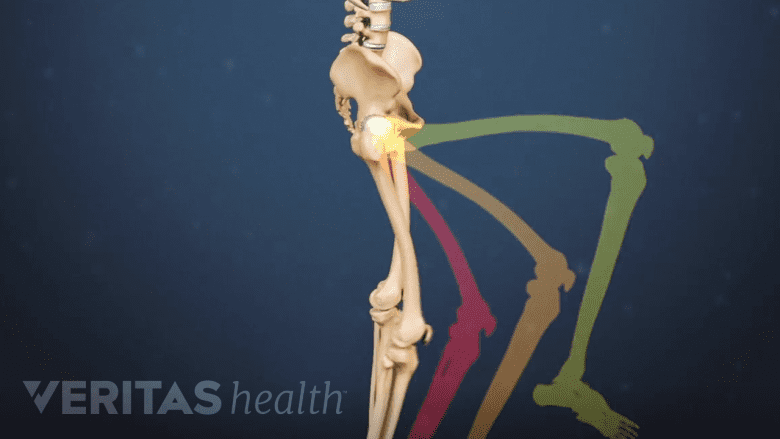
During a professional exam, a clinician will often perform a "Straight Leg Raise" test. While you lie on your back, the doctor lifts your straight leg. If this movement reproduces your radiating discomfort between 30 and 70 degrees of elevation, it is a very strong clinical indicator of a herniated disc. This is much more precise than just "feeling sore" and helps confirm the need for more targeted interventions like steroid injections or, in rare cases, surgical consultation.
Red Flags: When Sciatica Is an Emergency
While most cases of sciatica can be managed with physical therapy and time, there are certain scenarios where nerve compression becomes a medical emergency. You should be aware of "red flag" symptoms that indicate the nerves at the base of the spinal cord are being severely compressed.
Red Flags — Call Emergency Services If:
- You experience a sudden loss of bladder or bowel control (incontinence).
- You have "saddle anesthesia," which is a loss of sensation in the areas that would touch a horse's saddle (groin, buttocks, inner thighs).
- You notice sudden, profound lower extremity weakness that makes it impossible to stand or walk.
- Your back pain is accompanied by an unexplained fever or significant weight loss.
These symptoms can point to Cauda Equina Syndrome. This occurs when the bundle of nerve roots at the lower end of the spinal cord is compressed. Unlike standard sciatica, which is usually just painful and frustrating, Cauda Equina Syndrome can lead to permanent nerve damage or paralysis if not treated with surgery within 24 to 48 hours.
FAQ
What are the most common signs of sciatica?
The most frequent signs include a sharp, searing pain that starts in the lower back or buttock and travels down the back of one leg. Patients also commonly report tingling, a pins-and-needles sensation, and a feeling of weakness in the affected leg or foot. The pain is often described as feeling like an electrical current.
How can I tell the difference between sciatica and a pulled muscle?
A pulled muscle usually causes localized pain that is tender to the touch and feels like a dull ache. Sciatica involves radiating discomfort that moves away from the source, often reaching below the knee. Furthermore, sciatica is frequently aggravated by sitting or coughing, whereas muscle pain is usually triggered by specific movements of the torso.
Can sciatica cause numbness or tingling in the foot?
Yes, numbness and tingling in the foot are hallmark signs of nerve root compression. Because the sciatic nerve provides sensation to the calf and most of the foot, any irritation in the lumbar spine can manifest as a loss of feeling or a prickling sensation in the toes or the sole of the foot.
When should I see a doctor for sciatica symptoms?
You should schedule an appointment if your pain lasts longer than six to eight weeks, if the pain is severe enough to interfere with sleep or work, or if conservative treatments like rest and over-the-counter anti-inflammatories aren't providing relief. An early evaluation can help prevent the condition from becoming chronic.
What are the red flag symptoms of sciatica?
The most critical red flags include a sudden loss of bowel or bladder control, numbness in the groin area (saddle anesthesia), and sudden, severe weakness in the legs that causes tripping or falling. These symptoms require immediate emergency medical attention to prevent permanent neurological damage.