Quick Facts
- Emergency Threshold: Seek help if pain prevents you from standing, walking, or finding a comfortable position.
- The 2-Hour Rule: Persistent, constant pain that does not improve after two hours requires an immediate medical evaluation.
- Critical Vital Signs: A fever exceeding 101°F (38.3°C) accompanied by chills is a major red flag for infection.
- Physical Indicators: A rigid or board-like abdomen often signals a life-threatening internal perforation or peritonitis.
- Localization Matters: Sharp pain specifically in the lower right abdomen is a classic indicator of potential appendicitis.
- Statistical Risk: Approximately 20% to 25% of patients who visit the emergency department for abdominal pain have a serious condition requiring hospital admission.
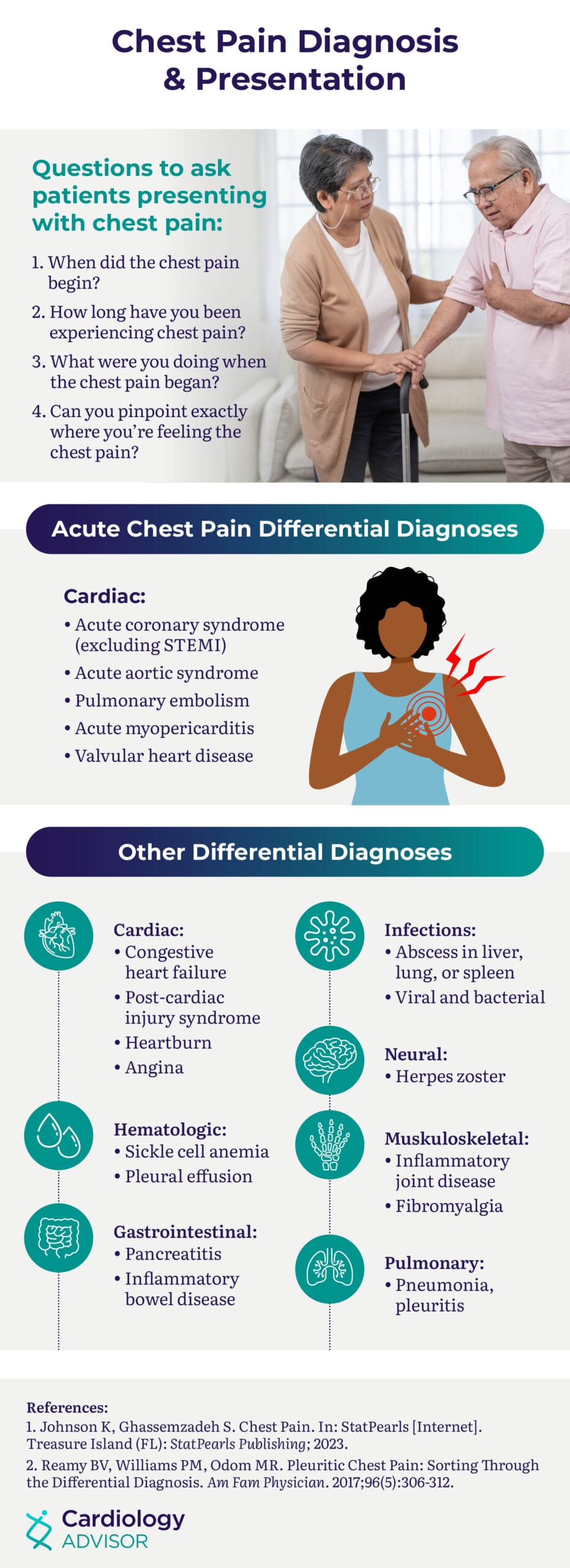
Serious stomach pain requires emergency medical care if it is sudden, severe, or so intense that it prevents you from standing or walking. You should seek immediate help if you notice critical red flags like a rigid or hard abdomen, high fever with chills, persistent vomiting, or signs of internal bleeding such as blood in your vomit or stool. If pain radiates to your chest, neck, or shoulder, it may indicate a life-threatening condition like a heart attack or internal organ rupture that needs urgent evaluation.
Immediate Red Flags: The Life-Threatening Signs
When dealing with abdominal distress, it is crucial to distinguish between a minor annoyance and a medical emergency. While many of us have experienced the discomfort of indigestion, serious stomach pain is fundamentally different in its intensity and associated symptoms. One of the most critical indicators is the state of the abdomen itself. If your stomach feels hard, rigid, or board-like to the touch, this is a sign of abdominal guarding. This is an involuntary contraction of the muscles to protect inflamed organs, often signaling peritonitis or an intestinal perforation.
Another major concern is the presence of gastrointestinal bleeding. Understanding what does emergency stomach pain feel like often involves looking for specific visual cues in your waste. You should watch for warning signs of internal bleeding in the digestive tract, which can appear as bright red blood in your stool or vomit. However, internal bleeding can also manifest as coffee-ground vomit or black, tarry stools, indicating that blood has been partially digested. These symptoms, especially when paired with lightheadedness or fainting, suggest significant blood loss that requires immediate intervention.
It is also vital to monitor for epigastric distress that doesn't stay localized. If you feel pain in the upper abdomen that radiates upward toward the chest, neck, or left shoulder, do not assume it is just heartburn. These can be atypical signs of a cardiac event or a serious issue with the gallbladder or pancreas. In a clinical setting, healthcare providers look for these specific abdominal pain red flags because they indicate that the underlying cause is systemic rather than localized to a simple stomach upset.
Urgent Warning: If your pain is accompanied by an inability to pass gas or have a bowel movement for several days, you may be experiencing a bowel obstruction. This is a surgical emergency that can lead to tissue death if not treated promptly.
Localized Pain: Mapping Your Symptoms by Quadrant
To better understand what is happening inside your body, medical professionals often divide the abdomen into four quadrants. Where you feel the pain is often the best clue to the underlying cause. For example, severe lower right side abdominal pain symptoms are the hallmark of appendicitis. This pain often starts near the belly button before migrating to the lower right. A key diagnostic sign used by doctors is rebound tenderness—where the pain is actually worse when pressure is quickly released from the area than when it is applied.
In the upper right quadrant, pain is frequently associated with cholecystitis, or gallbladder inflammation. This often feels like a sharp, stabbing sensation that may intensify after eating a fatty meal. Conversely, pain in the upper middle or upper left area might point toward pancreatitis or a gastric ulcer. While gas pain is typically transient and tends to move around the abdomen as it passes through the digestive tract, serious pain remains fixed and often intensifies in a specific location.
| Feature | Gas Pain / Indigestion | Serious Stomach Pain |
|---|---|---|
| Duration | Usually lasts minutes to an hour | Persistent, lasting over 2 hours or days |
| Mobility | Pain moves or shifts location | Pain is localized and stays in one spot |
| Physical Sign | Soft abdomen, bloating | Rigid, "board-like" or hard abdomen |
| Relief | Improved by passing gas/BM | Does not improve with movement or rest |
| Fever | Absent | Often present (over 101°F) |
Systemic Signs and the 2-Hour Urgency Rule
Time is a critical factor when assessing abdominal health. The 2-hour rule is a practical metric: if you are experiencing constant, unremitting pain that shows no signs of improvement after two hours, you should contact a healthcare professional or visit an urgent care center. This is especially true if the discomfort prevents you from sleeping or performing basic daily tasks. Unlike the cramping associated with a stomach virus, which often comes in waves, serious conditions like a bowel obstruction or internal infection produce steady, worsening distress.
You must also account for systemic symptoms. When you experience stomach pain with high fever and chills, it suggests that your body is fighting a significant infection. Fever is a common indicator of inflammatory processes like diverticulitis or a ruptured appendix. Furthermore, persistent vomiting that prevents you from keeping liquids down can lead to rapid dehydration and electrolyte imbalances. If you find yourself unable to hydrate, or if you feel a sense of impending doom or extreme weakness, these are clear signals that your body is under severe physiological stress.
In the United States, abdominal pain is one of the most common reasons for emergency medical care, accounting for approximately 5% to 10% of all emergency department visits. Because the causes can range from benign gas to life-threatening ruptures, diagnostic imaging like a CT scan or ultrasound is often necessary to provide a definitive differential diagnosis.
Vulnerable Populations: Seniors and High-Risk Groups
Age plays a significant role in how abdominal symptoms manifest. For adults over the age of 65, the stakes are considerably higher. Statistics show that for adults over the age of 65 presenting with abdominal pain, the risk of serious illness is significantly higher, with approximately 50% of these patients requiring hospitalization. Seniors often have a higher pain threshold or may experience "silent" symptoms where the pain is not as severe as the underlying condition would suggest.
In older adults, serious stomach pain signs in elderly adults might not always include a high fever or sharp pain. Instead, they might present with confusion, fatigue, or a general sense of feeling unwell. It is also important to note that cardiovascular issues in seniors can frequently mimic epigastric distress. A blockage in the arteries serving the intestines, known as mesenteric ischemia, is a grave condition that often presents as pain that is "out of proportion" to what is found during a physical exam. Because of these complexities, any new or worsening abdominal discomfort in a person over 65 should be treated with high urgency.

ER Readiness: What to Do Next
If you decide that your symptoms meet the criteria for an emergency, being prepared can help the medical team provide faster care. First and foremost, follow the NPO (nothing by mouth) rule. Do not eat or drink anything, including water or antacids, until you have been seen by a doctor. If you require surgery, having an empty stomach is vital for safety during anesthesia. Additionally, some medications can mask symptoms, making it harder for the doctor to reach an accurate diagnosis.
When you arrive at the hospital, be prepared to describe the pain in detail. Is it sharp, dull, or cramping? Did it start suddenly? Does it hurt more when you move? Providing a list of your current medications and medical history is also essential. Expect the medical team to prioritize diagnostic imaging and blood work to rule out conditions like an intestinal perforation or an ectopic pregnancy. Remember, when to go to ER for stomach pain is a decision based on your functional capacity—if you cannot walk, stand, or find relief, the emergency room is the safest place for you to be.
FAQ
When should I go to the emergency room for stomach pain?
You should go to the emergency room if the pain is sudden and severe, or if it is accompanied by red flags such as a high fever, persistent vomiting, or a rigid, hard abdomen. Seek immediate care if the pain is so intense that you cannot walk or stand, or if you see blood in your vomit or stool.
What are the red flag symptoms of abdominal pain?
Major red flags include a fever over 101°F, signs of dehydration, a board-like or rigid abdomen, and pain that radiates to the chest or neck. Other critical indicators are signs of internal bleeding, such as black, tarry stools, or the inability to pass gas or have a bowel movement, which could suggest an obstruction.
How do I know if my stomach pain is an emergency?
A reliable way to gauge the situation is by checking your ability to function. If the pain prevents you from standing or walking, or if it is constant and lasts for more than two hours without relief, it is likely an emergency. Pain that is sharp, localized in one area, or occurs alongside fainting or extreme weakness should never be ignored.
What does severe pain in the upper abdomen mean?
Severe pain in the upper abdomen, often referred to as epigastric distress, can indicate several issues. It may be related to gallbladder inflammation (cholecystitis), pancreatitis, or a stomach ulcer. However, because upper abdominal pain can also be a sign of a heart attack, it requires prompt medical evaluation, especially if it radiates to the chest or shoulders.
What are the signs of a ruptured appendix?
A ruptured appendix typically starts with severe pain in the lower right abdomen. If the appendix ruptures, the pain might briefly seem to improve before becoming much worse and spreading across the entire abdomen. This is usually accompanied by a high fever, chills, a swollen or rigid stomach, and severe nausea or vomiting.
How long should severe stomach pain last before seeing a doctor?
For severe, constant pain, you should follow the 2-hour rule. If the pain is steady and does not improve within two hours, you need medical attention. For less severe but persistent pain that interferes with your daily activities, you should schedule a visit with your physician if the symptoms last for more than a few days.