Quick Facts
- Healthy Range: Blood oxygen levels between 95% to 100% are considered normal for most healthy adults.
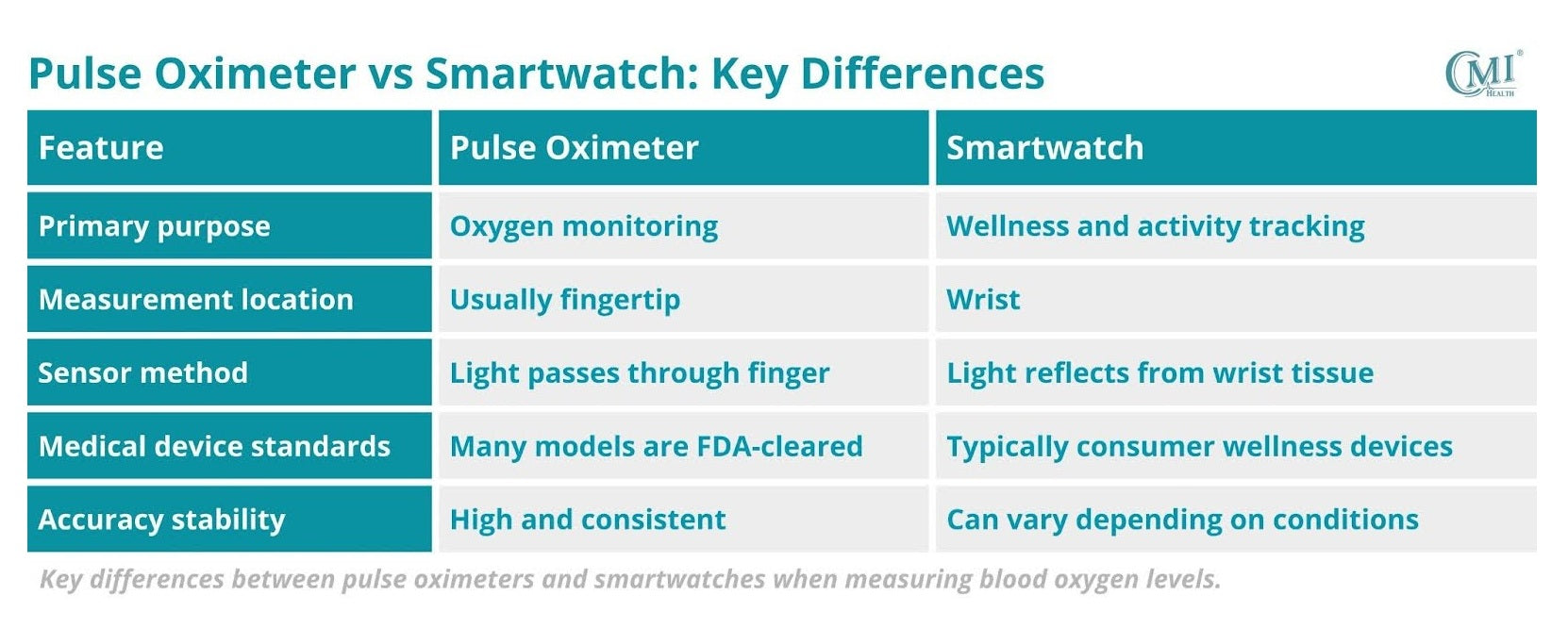
- Technology Gap: Smartwatches use reflectance pulse oximetry, while medical-grade devices rely on transmittance technology.
- Error Margin: Expect a deviation of ±2% to 3% compared to hospital-grade equipment in ideal conditions.
- Top Performer: The Apple Watch Series 7 leads the consumer market with a 2.2% Mean Absolute Error (MAE).
- Sensitivity Warning: While specific, many wearables have a low sensitivity (34.8%) for detecting clinically significant hypoxemia.
- Usage Tip: For the best results, place the sensor two finger-widths above the wrist bone and remain perfectly still.
As of May 2026, the question 'Is my smartwatch accurate?' is more relevant than ever. While wearables offer convenience, Smartwatch SpO2 accuracy generally lags behind clinical fingertip pulse oximeters. Most consumer devices have a margin of error around 2-3%, which can fluctuate based on placement and skin tone. This means your watch is excellent for tracking general wellness trends but should not be the sole basis for a medical diagnosis.
Reflectance vs. Transmittance: The Science of Your Wrist
To understand why your watch might give a different reading than the device at your doctor's office, we have to look at the physics of light. Both devices use a process called Photoplethysmography (PPG), but they apply it differently.
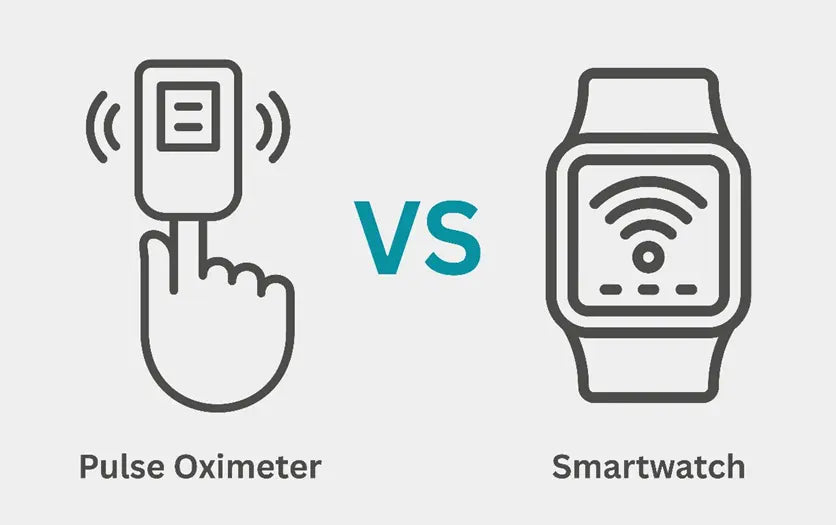
Medical pulse oximeters use transmittance technology. They clip onto your finger and shine light through the thin tissue of your fingertip to a receiver on the other side. This allows the device to measure exactly how much light is absorbed by the Oxygenated hemoglobin in your blood. Because the light travels through the entire finger, the signal is strong and clear.
In contrast, a wearable uses the reflectance method. The sensor on the back of your watch shines Red (660nm) and Infrared light spectrum waves into your wrist, and the sensor measures how much of that light bounces back off the tissue and bone. This wrist vs finger pulse oximeter technology gap is the primary reason for accuracy differences. The wrist has a lower capillary density than the fingertip, and the light has to fight through more "noise" from skin, muscle, and bone to get a reading.
Real-World Accuracy: Apple Watch vs. Garmin vs. Medical Grade
If you are using your wearable to monitor a chronic condition, knowing which brand performs best is crucial. Recent data suggests that not all sensors are created equal. A clinical study comparing consumer smartwatches to medical-grade pulse oximeters found that the Apple Watch Series 7 had a mean absolute error of 2.2%, while the Garmin Venu 2s demonstrated a higher error rate of 5.8%.
While a 2-3% error sounds small, it matters when you are near the clinical threshold. Most medical professionals start to worry when oxygen levels drop below 92-94%. If your watch has a 3% error margin, a reading of 95% could actually be 92%, which is the difference between "healthy" and "needs medical attention."
| Device Model | Mean Absolute Error (MAE) | Clinical Accuracy Standard |
|---|---|---|
| Hospital Grade Oximeter | < 1% | Gold Standard |
| Apple Watch Series 7 | 2.2% | High |
| Garmin Venu 2s | 5.8% | Moderate |
| ISO 80601-2-61 Standard | 4.0% | Required for Medical Certification |
Research indicates that some popular smartwatch models can meet the ISO 80601-2-61 accuracy standard, which requires a root-mean-square deviation of 4% or less from reference measurements for oxygen saturation. However, even these high-performing watches struggle with sensitivity. In a prospective validation study involving hospitalized patients, the Apple Watch Series 7 showed a high specificity of 97.5% but a low sensitivity of 34.8% for detecting clinically significant hypoxemia. This means that while the watch is rarely "wrong" when it says your oxygen is normal, it often fails to catch cases where oxygen is actually low.
Why Your SpO2 Reading Might Be Inaccurate (Human Factors)
One of the biggest wearable SpO2 sensor limitations isn't the software, but the person wearing it. Wrist sensors are incredibly sensitive to external factors. Have you ever wondered why is my smartwatch blood oxygen reading so low but I feel fine? Often, the answer is "human interference."
Motion artifacts are the most common culprit. If you move your arm even slightly during a measurement, the light path is disrupted, leading to a false low reading. Similarly, the Perfusion index—the amount of blood flow at your skin's surface—plays a huge role. If your hands are cold, the blood vessels in your wrist constrict, making it much harder for the sensor to pick up a signal.
We also have to address the impact of skin tone and tattoos on smartwatch SpO2 accuracy. Because these sensors rely on light reflection, skin with higher melanin levels or dark tattoo ink can absorb the light before it reaches the bloodstream. This can result in consistently lower or inconsistent readings for users with darker skin or wrist tattoos. Manufacturers are working to improve the Signal-to-noise ratio for diverse skin types, but it remains a known challenge in the industry.
How to Improve Smartwatch SpO2 Reading Reliability
If you want to get the most out of your device, you need to treat the measurement like a mini-medical exam. You cannot expect accuracy while walking or even sitting with your arm hanging down.
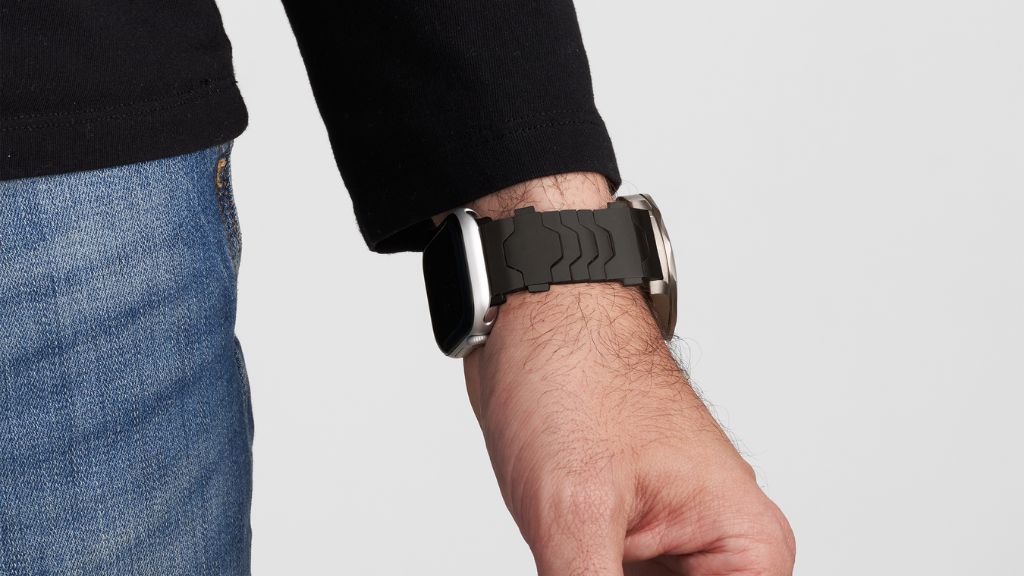
- Placement is Key: Slide your watch 1-2 finger-widths above the wrist bone. This area has a higher density of blood vessels and a flatter surface for the sensor to rest against.
- The "Goldilocks" Fit: The strap should be snug but not tight. If it's too loose, Ambient light interference will leak in; if it's too tight, it will restrict blood flow and lower the reading.
- Arm Positioning: For the best results, rest your arm on a table at heart level. Keep your hand flat and avoid clenching your fist.
- Stay Still: Do not talk or move for the full 15-30 seconds of the measurement.
By following these steps, you can significantly reduce the wrist vs fingertip pulse oximeter accuracy differences and get data that is much closer to a clinical baseline.
Interpreting the Data: Trends vs. Absolute Values
The real power of a smartwatch isn't in a single "spot check" reading; it's in the long-term data. Instead of panicking over one reading of 91%, look at your weekly averages.
For those using their watch for Sleep Apnea screening, the overnight trends are vital. If your watch consistently shows dips in oxygen during the night, even if the absolute numbers are slightly off, it’s a sign that you may need a formal sleep study. Smartwatch data is an excellent "early warning system" for conditions like Hypoxemia or COPD management, but it should be viewed as a prompt to seek professional help rather than a diagnosis.
When to trust smartwatch SpO2 vs seeing a doctor depends on your symptoms. If your watch says 90% but you feel energetic and clear-headed, it’s likely a sensor error. However, if your watch says 94% and you are experiencing shortness of breath or dizziness, you should seek medical attention regardless of what the screen says.
FAQ
How accurate are smartwatches for measuring blood oxygen?
Most high-end smartwatches have a margin of error of about 2% to 3% when compared to clinical devices. They are generally accurate enough to track health trends over time, but they can produce false readings due to motion, skin temperature, or poor fit. They are not intended to replace medical-grade diagnostic tools.
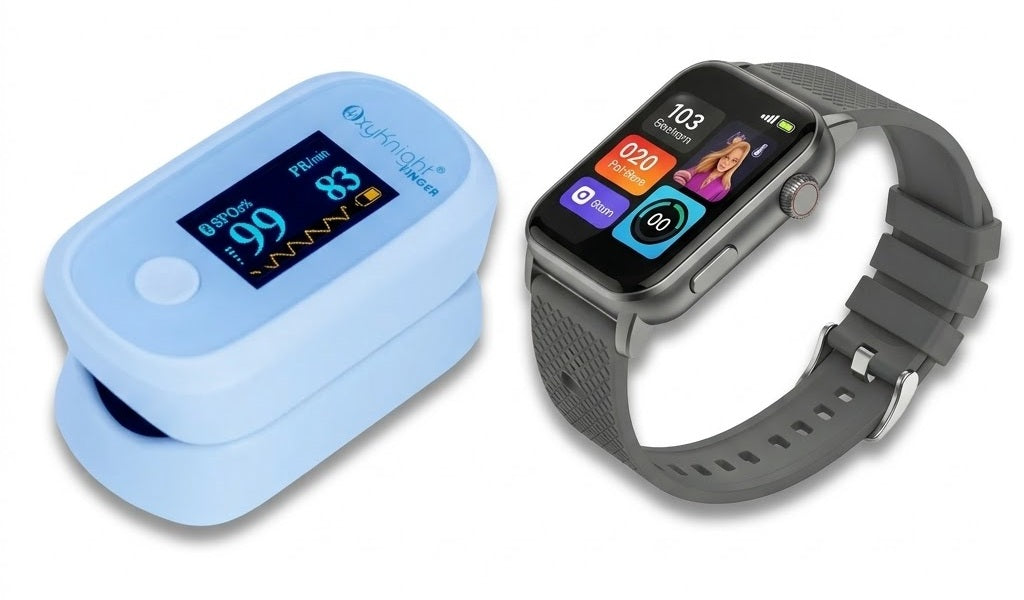
What is the difference between a pulse oximeter and a smartwatch?
A traditional fingertip pulse oximeter uses transmittance, shining light through the finger to a sensor on the other side. A smartwatch uses reflectance, shining light into the wrist and measuring what bounces back. The finger method is more direct and reliable because the tissue is thinner and more heavily supplied with blood vessels.
Why are my smartwatch blood oxygen readings inconsistent?
Inconsistency is usually caused by movement, the watch being too loose, or cold skin reducing blood flow at the wrist. Environmental light leaking into the sensor can also disrupt the reading. If you get an unusual result, try warming your wrist, tightening the band, and sitting still for a re-test.
Does skin tone affect the accuracy of smartwatch SpO2 sensors?
Yes, darker skin tones and tattoos can impact accuracy. Melanin and ink can absorb some of the light emitted by the sensor, which may result in lower or less reliable readings. While newer sensors are better at compensating for this, users with darker skin should focus more on their personal oxygen baselines rather than individual numbers.
How tight should a smartwatch be for accurate oxygen readings?
The watch should be snug enough that it does not slide around when you move your arm, but it shouldn't leave deep indentations in your skin. A "just right" fit prevents ambient light from reaching the sensor while maintaining the blood flow necessary for a clear reading.
Professional Perspective
Smartwatch SpO2 accuracy is a triumph of modern engineering, but it has clear boundaries. As a content editor who has tracked these developments for years, my advice is simple: use your watch to learn your "normal." Once you know your personal baseline, you'll be much better equipped to spot genuine health changes.
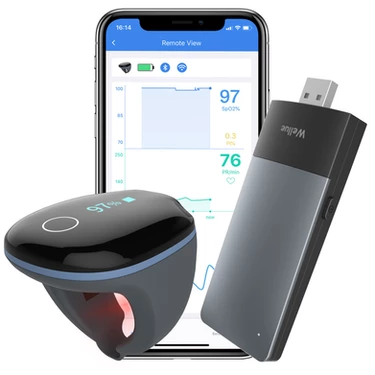
If your wearable reports persistent low trends, or if you are managing a serious respiratory condition, always verify the results with an FDA-cleared fingertip pulse oximeter. These devices are inexpensive and remain the gold standard for home monitoring.