Quick Facts
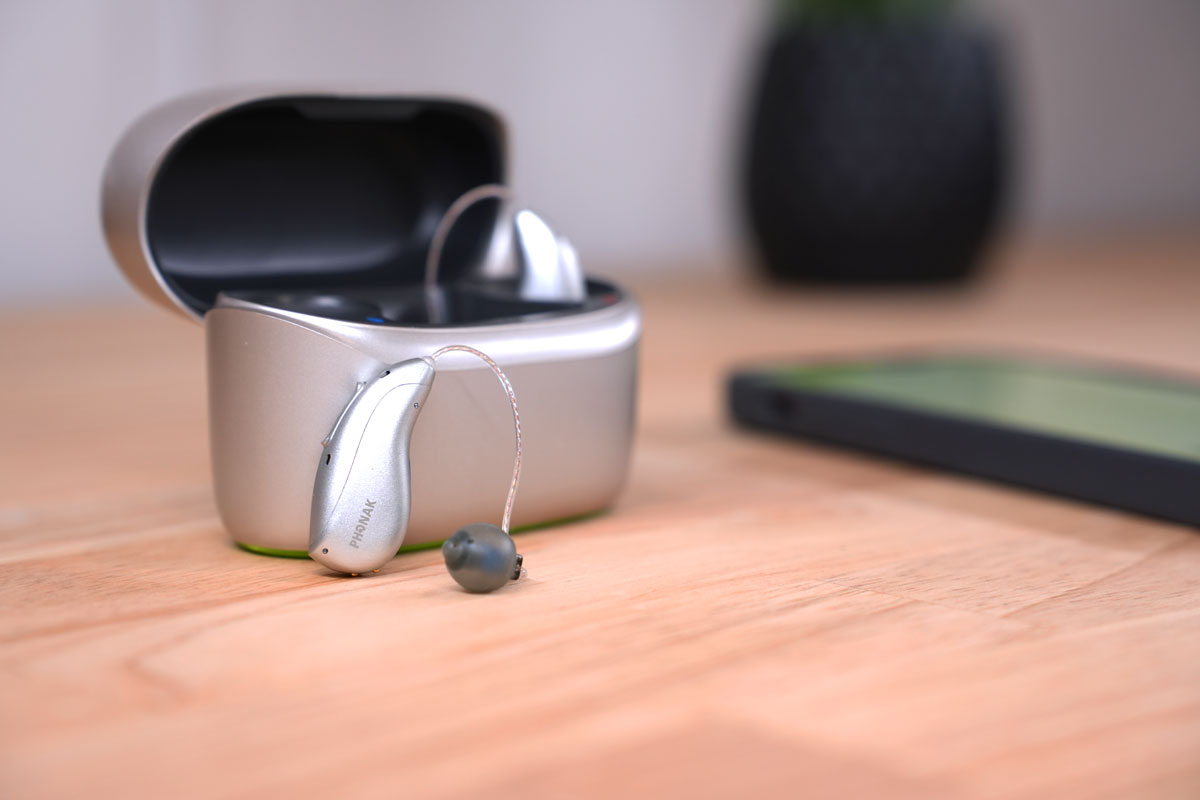
- 2026 Top Pick: Phonak Audéo Infinio Ultra Sphere delivers a market-leading Speech-in-noise score of 4.6/5.0.
- Battery Leader: The Starkey Omega AI sets the benchmark with up to 51 hours of continuous use on a single charge.
- Health Integration: Fall detection, heart rate monitoring, and social engagement tracking are now standard features in premium 2026 models.
- Primary Technology: Deep Neural Networks (DNN) are the new gold standard, mimicking human brain processing to filter sound more naturally.
- Smart Connectivity: Most 2026 devices support Auracast and Bluetooth LE Audio for seamless, low-latency streaming.
- Pricing Spectrum: High-quality devices in 2026 range from $649 to $3,598, depending on the level of AI integration and professional support.
Modern hearing aid selection in 2026 involves matching AI-driven features like Deep Neural Networks and biometric sensors to your specific lifestyle needs to optimize signal-to-noise ratios and situational awareness. Users should prioritize devices that offer situational awareness and seamless Bluetooth connectivity to support an active daily routine.
The Ted Danson Journey: Why Lifestyle Matters in 2026
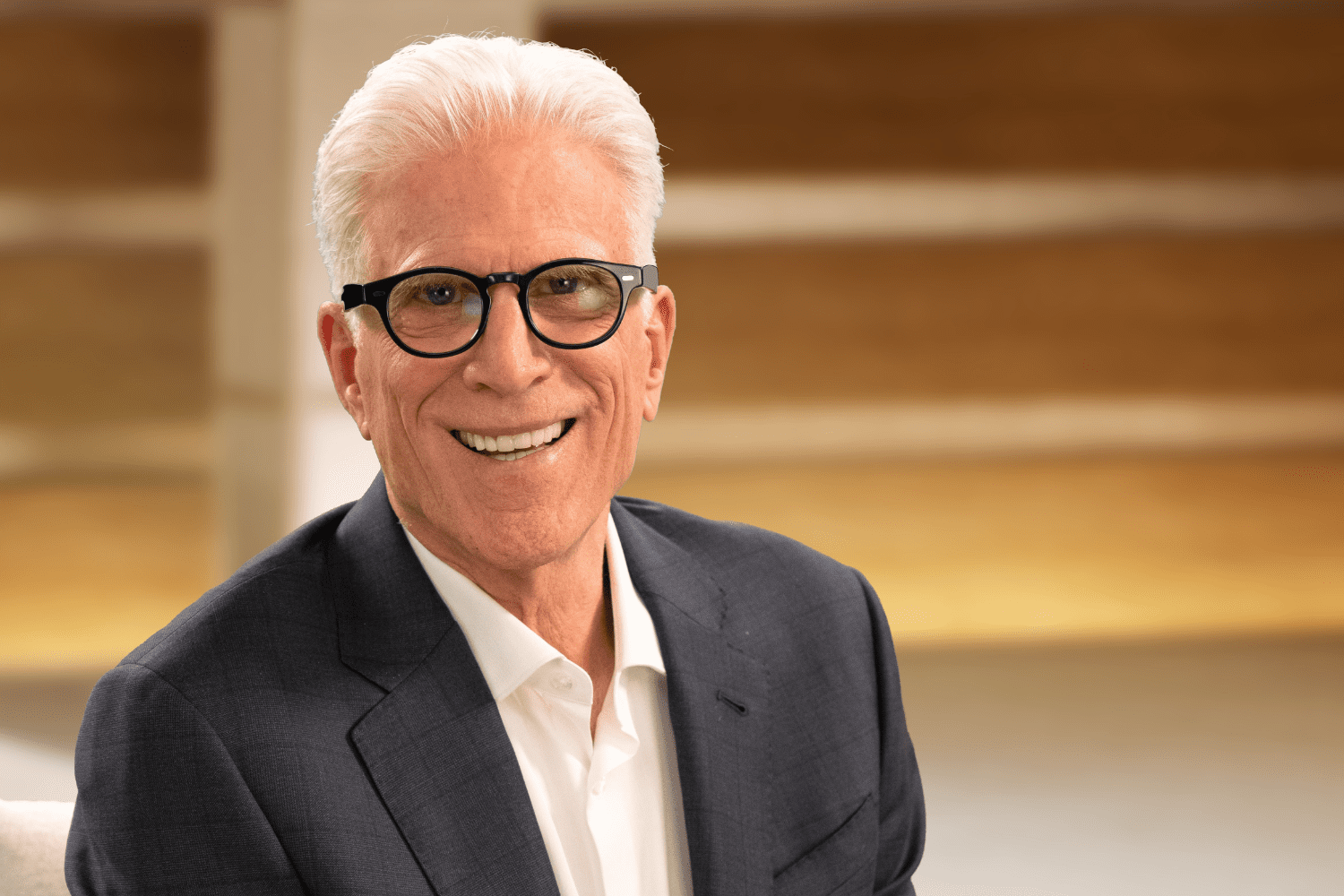
Imagine standing in a crowded restaurant, the clinking of silverware and the hum of voices blending into an indistinguishable roar. For Ted Danson, this was a reality he navigated for over 50 years. The legendary actor recently opened up about his hearing loss, revealing that he spent decades lip-reading and nodding along to conversations he couldn't fully hear. It wasn't until he embraced modern technology that everything changed. In a candid 2022 interview, Ted Danson revealed that his hearing aids have changed his life by allowing him to hear sounds clearly that he previously believed were silent—even humorous ones like his own farts.
Danson’s story is a powerful example of celebrity advocacy in action. By speaking openly, he helps strip away the old stigma that hearing aids are "just for the elderly." In 2026, hearing aid selection is no longer just about turning up the volume; it is about choosing hearing aids for better social engagement. For Danson, whose lifestyle involves high-stakes filming environments and bustling social events, the goal was soundscape personalization. He needed a device that could distinguish between a director’s whisper and the background noise of a busy set.
His journey teaches us that the best device isn't necessarily the one with the most buttons, but the one that disappears into your life. Whether you are an actor on a soundstage or a grandparent at a birthday party, the shift from merely coping with silence to thriving in a world of sound is the ultimate goal of modern technology.
Understanding the Clinical Side: Degrees of Hearing Loss
Before you dive into the latest gadgets, you must understand where you stand on the clinical spectrum. Every successful hearing aid selection begins with a professional audiogram. This test measures the quietest sounds you can hear at different frequencies, measured in decibels (dB).
Hearing loss is generally categorized into five levels:
- Mild (26–40 dB): You might struggle with soft speech or hearing in noisy rooms.
- Moderate (41–55 dB): Following conversations becomes difficult without a hearing aid.
- Moderately Severe (56–70 dB): Speech must be very loud to be understood.
- Severe (71–90 dB): Most speech is inaudible; you rely on visual cues.
- Profound (91+ dB): Even loud sounds are difficult to perceive.
Expert Tip: The 2026 Standard Personalized hearing aid selection tips always emphasize that your "lifestyle needs" should carry as much weight as your audiogram. A person with mild loss who attends many board meetings may actually need a more advanced chip than someone with moderate loss who stays mostly at home.
In 2026, the fitting process has become more accessible through tele-audiology. Many users now opt for a hybrid model: an initial in-person diagnostic followed by remote soundscape personalization sessions. This allows experts to calibrate your device performance to your unique ear anatomy from the comfort of your living room. Furthermore, if you suffer from ringing in the ears, modern devices include specialized tinnitus management programs that use subtle sound therapy to mask internal noise.

Advanced Tech: DNN and Health Tracking Features
The biggest leap in 2026 technology is the move toward "wellness hubs." We are no longer just looking for advanced hearing aid technology features; we are looking for holistic health monitoring. Leading devices now act as comprehensive wellness hubs, tracking social engagement and physical activity while providing brain-centric processing to reduce cognitive load.
At the heart of these devices is the Deep neural network. Unlike older hearing aids that simply boosted all high-frequency sounds, a Deep neural network is trained on millions of real-world sound samples. It can instantly recognize the difference between a dog barking and a friend speaking, suppressing the former while enhancing the latter. This mimics how the human brain naturally filters sound, providing a more intuitive listening experience and improving situational awareness.
Integrated health tracking features in modern hearing aids now include:
- Fall Detection: Using accelerometers to alert family members if a user takes a tumble.
- Biometric Sensors: Monitoring heart rate and oxygen levels through the skin of the ear canal.
- Cognitive Load Reduction: By cleaning up the signal-to-noise ratio, the brain doesn't have to work as hard to decode speech, which may help delay the onset of cognitive decline.
- Real-time Language Translation: Instant audio translation of foreign languages directly into your ear.
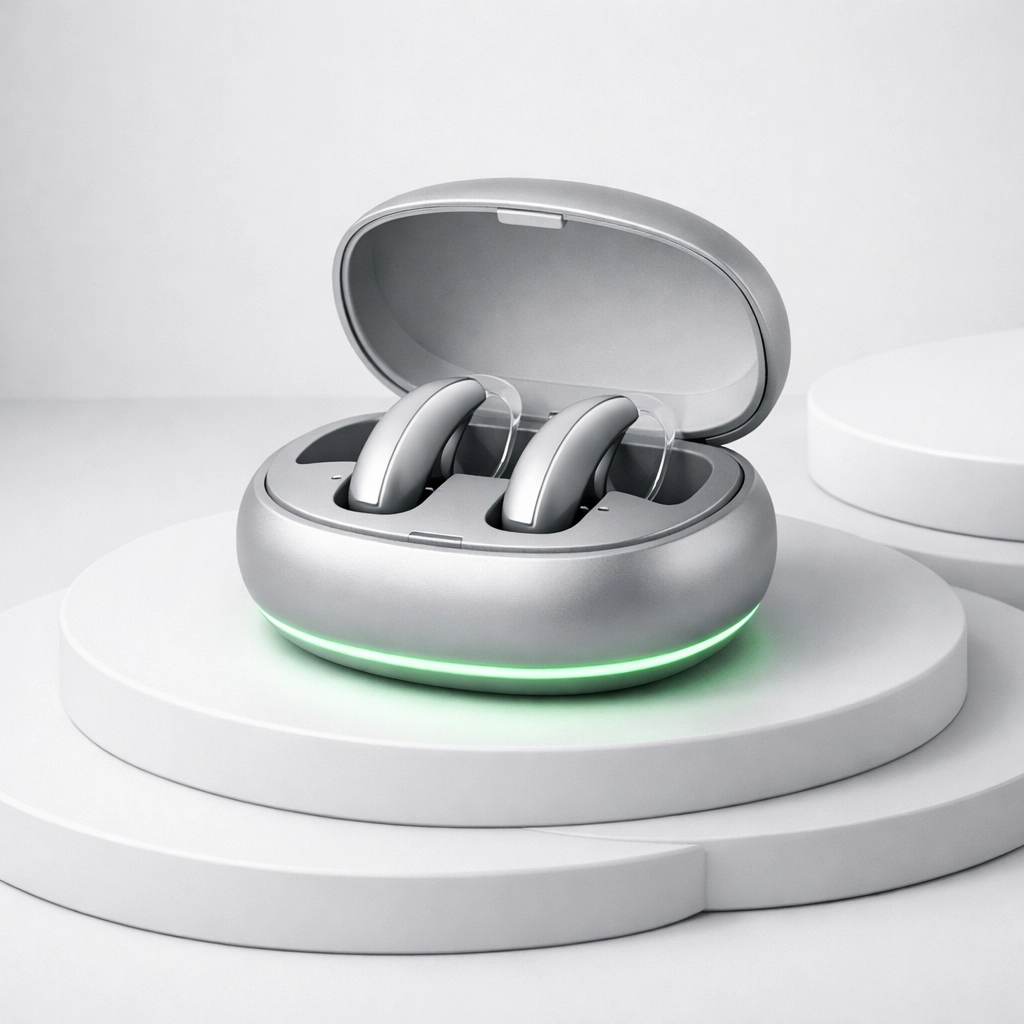
Expert Tip: Battery Management While traditional zinc-air batteries are still available, 90% of premium users in 2026 prefer a rechargeable lithium-ion system. Look for models that offer inductive charging—this means you just drop the aids into a case without fiddling with small plugs or battery doors.
Choosing for the Active Life: Models and Performance
If your life involves hiking, cycling, or travel, choosing hearing aids for active lifestyles requires a focus on durability and signal stability. You need a device that can handle wind noise and sweat without failing. For outdoor enthusiasts, an IP68-rated waterproofing rating is non-negotiable.
When comparing the industry giants, the Phonak vs Starkey hearing aids for noise cancellation debate is central to the 2026 market. Phonak has doubled down on speech clarity in extreme noise, while Starkey has focused on battery longevity and "all-in-one" health features.
| Feature | Phonak Audéo Infinio Ultra Sphere | Starkey Omega AI |
|---|---|---|
| Primary Strength | Superior signal-to-noise ratio in crowds | Longest battery life and fall detection |
| Max Battery Life | 24 Hours | 51 Hours |
| AI Integration | Sphere Sound Processing | Edge Mode+ AI |
| Best For | Social dinners and business meetings | Outdoor sports and remote hiking |
| Waterproofing | IP68 (Fully Submersible) | IP68 (Fully Submersible) |
For those looking for the best hearing aids for active lifestyles and outdoor sports, focus on the microphone placement. Modern designs often include "protected" microphones that reduce the whistle of wind as you move. Additionally, ensure the device offers ambient noise reduction that can be toggled via a smartphone app, allowing you to stay aware of traffic while listening to your favorite podcast.
Final Checklist: 2026 Buying Guide for Seniors
Navigating the market can be overwhelming. Use this 2026 hearing aid selection checklist for seniors to ensure you cover all the bases before making a purchase:
- Get a Professional Audiogram: Do not rely solely on online "screening" apps. A clinical test is the only way to identify specific frequency losses.
- Define Your Primary Environment: Are you mostly at home (Basic tech), at the gym (Waterproof tech), or in busy restaurants (DNN AI tech)?
- Verify Connectivity: Ensure the hearing aid is compatible with your specific smartphone for streaming and app control.
- Check the Trial Period: Most reputable providers offer a 30- to 60-day trial. Use this time to test the aids in your most challenging environments.
- Inquire About Tele-audiology: Ask if your provider offers remote adjustments so you don't have to drive to the clinic for every minor tweak.
- Compare Total Cost of Care: Some prices include lifetime cleanings and adjustments, while others are "unbundled." Know what you are paying for upfront.
FAQ
How do I choose the right hearing aid for my needs?
Choosing the right device starts with an honest assessment of your daily habits. If you lead a quiet life at home, a basic model with good ambient noise reduction may be sufficient. However, if you are active or socially engaged, you should look for premium devices with a Deep neural network to help you navigate complex sound environments.
What factors should I consider when selecting a hearing aid?
Key factors include the degree of your hearing loss, your manual dexterity (for changing small batteries versus using a charger), your budget, and your aesthetic preference (discreet in-ear models versus powerful behind-the-ear models). You should also consider whether you need specific features like Tinnitus management or fall detection.
How do I know which hearing aid features I really need?
Focus on your "pain points." If you can't hear your TV, you need a device with excellent Bluetooth streaming. If you struggle at dinner parties, your priority should be a high signal-to-noise ratio and brain-centric processing. If you are prone to balance issues, fall detection is a high-priority safety feature.
Are more expensive hearing aids always better?
Not necessarily. A $3,000 hearing aid is only "better" if you actually use the features it provides. For someone who lives alone and rarely goes out, the advanced AI sound processing in expensive models might be overkill. However, for active professionals or social butterflies, the investment in high-end technology significantly improves quality of life.
How long is the typical trial period for new hearing aids?
In 2026, most states and reputable manufacturers provide a mandatory trial period ranging from 30 to 60 days. This period is essential because the brain takes time to "re-learn" how to hear. You should wear your new aids for at least 12 hours a day during this period to fully evaluate their effectiveness.