Quick Facts
- Normal Threshold: A healthy reading is defined as less than 120/80 mmHg.
- Global Impact: An estimated 1.28 billion adults worldwide live with hypertension.
- Awareness Gap: Nearly 46% of adults with high blood pressure are unaware they have the condition.
- Critical Emergency: Any reading exceeding 180/120 mmHg is a hypertensive crisis requiring immediate care.
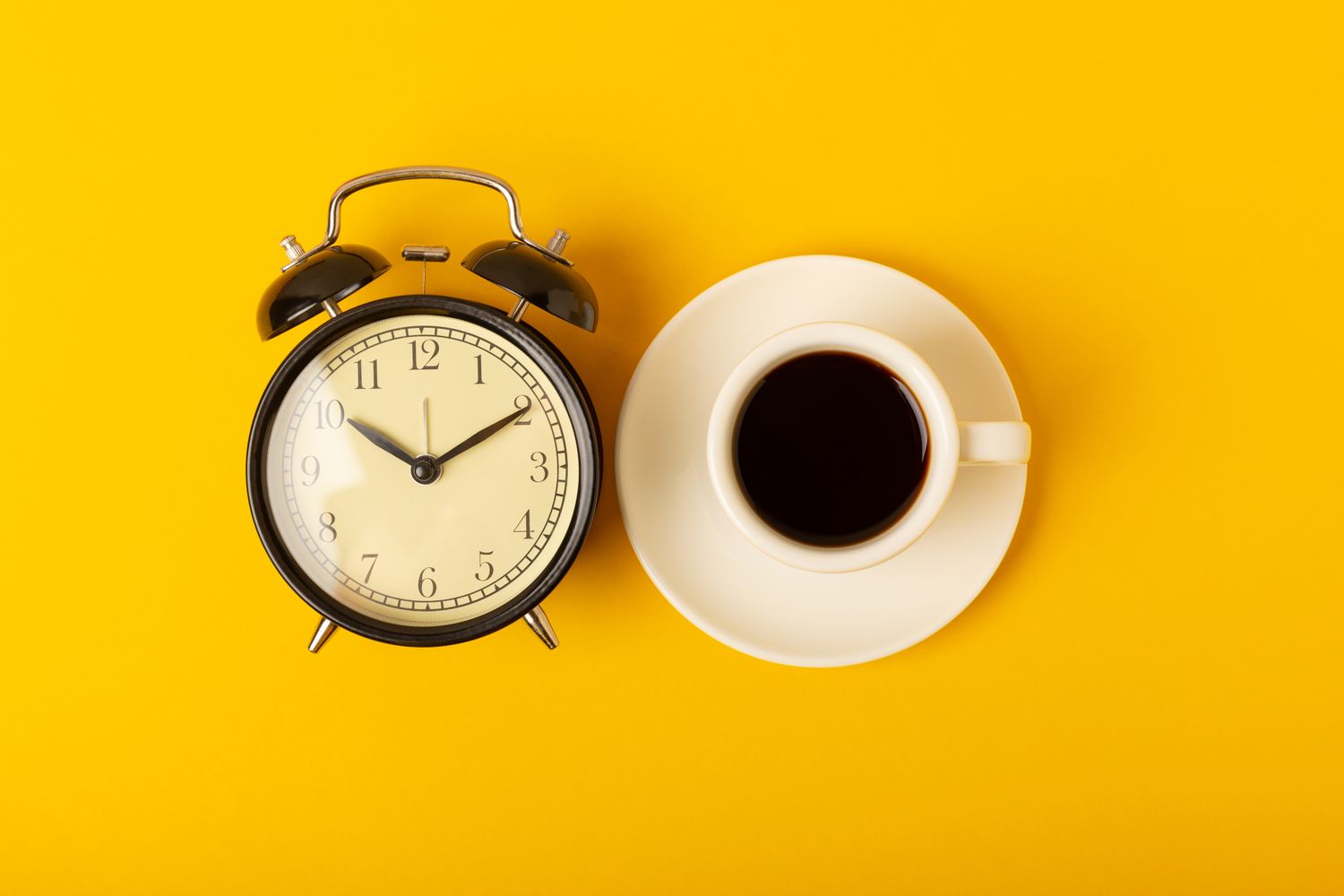
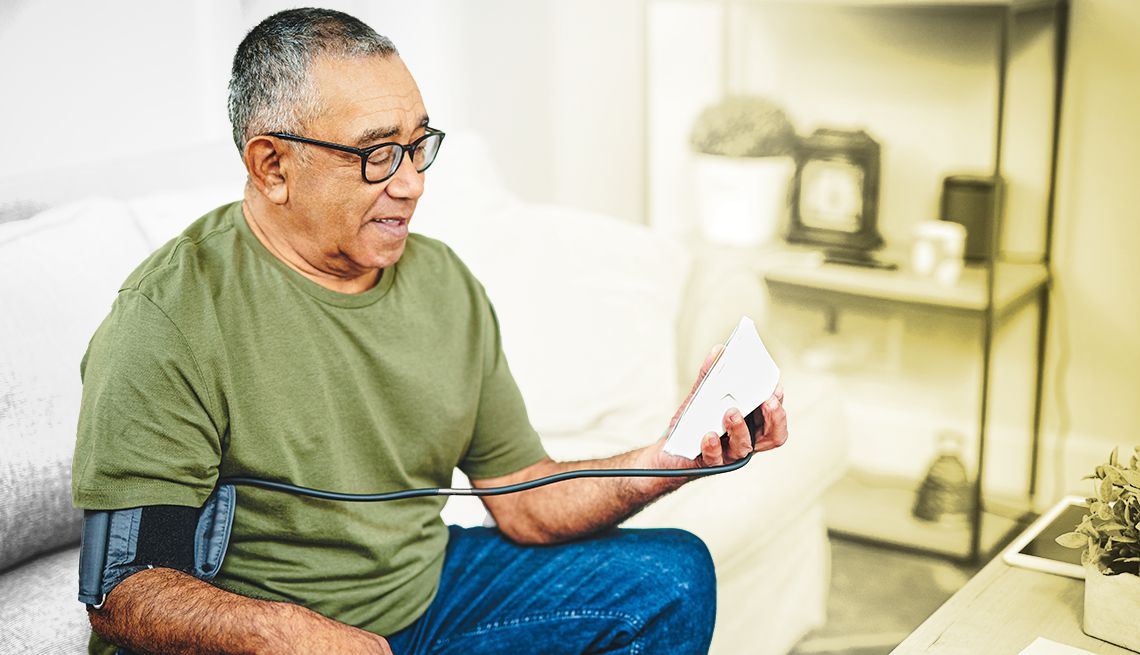
- Accuracy Protocol: Rest for five minutes and avoid caffeine for 30 minutes before testing.
- Monitoring Frequency: Experts suggest checking twice daily—morning and evening—for the best data.
Blood pressure readings consist of two numbers measured in millimeters of mercury (mmHg). The top number, systolic pressure, measures the force the heart exerts on artery walls when it beats. The bottom number, diastolic pressure, measures the force on artery walls when the heart rests between beats. Understanding both numbers is essential for identifying hypertension and assessing overall cardiovascular health.
Understanding Systolic vs Diastolic Blood Pressure Readings
When you sit down to check your heart health, the monitor presents two distinct figures that can feel like a mathematical riddle. To unravel the mystery, we have to look at the mechanical rhythm of the human body. Every time your heart contracts, it pushes blood through your vascular system with significant force. This peak pressure is what we call the systolic measurement. It is the first number you hear or see on a digital sphygmomanometer. It reflects how much pressure your blood is exerting against your artery walls during a heartbeat.
The second number, or the bottom figure, is the diastolic pressure. This represents the pressure in your arteries when the heart rests between beats. During this brief pause, your heart fills with blood and receives its own oxygen supply. While many people historically focused solely on the top number, modern medicine recognizes that both figures are vital. A high diastolic reading can indicate that your arteries have little to no relief from constant pressure, which can be just as damaging over time as high systolic spikes.
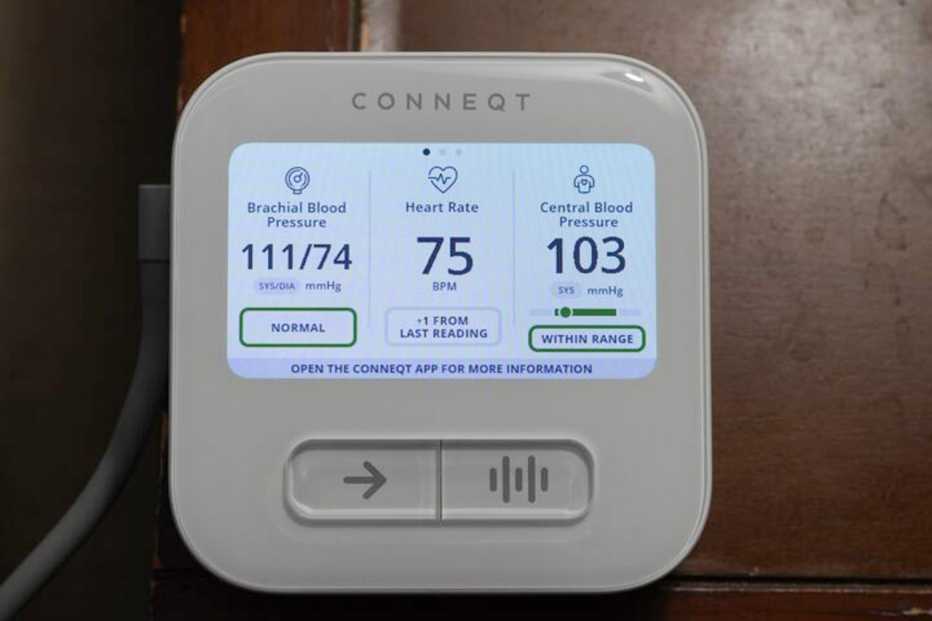
Most of these measurements focus on the brachial artery in your upper arm. This major vessel serves as a primary highway for blood flow, making it the most reliable site for non-invasive monitoring. When the cuff inflates, it temporarily stops the flow; as it deflates, the monitor detects the vibration of blood rushing back in. Understanding systolic vs diastolic blood pressure readings is about more than just numbers; it is about understanding how well your vessels are coping with the constant work of your circulatory system.
Blood Pressure Range Categories: What Your Numbers Mean
To make sense of your results, healthcare providers use a standardized chart. These blood pressure range categories help determine if your cardiovascular health is on the right track or if lifestyle modifications are necessary. According to the American Heart Association, a reading is considered normal if it is less than 120/80 mmHg. If your numbers start to creep above this, you move into different tiers of risk.
| Category | Systolic (Top Number) | Diastolic (Bottom Number) | |
|---|---|---|---|
| Normal | Less than 120 | and | Less than 80 |
| Elevated | 120–129 | and | Less than 80 |
| Hypertension Stage 1 | 130–139 | or | 80–89 |
| Hypertension Stage 2 | 140 or higher | or | 90 or higher |
| Hypertensive Crisis | Higher than 180 | and/or | Higher than 120 |
Interpreting blood pressure chart categories for adults requires looking at the highest of the two numbers. For example, if your systolic is 125 (Elevated) but your diastolic is 85 (Stage 1), you are technically categorized as having Stage 1 hypertension. This conservative approach ensures that clinicians can intervene before minor issues become major cardiovascular events.
When you fall into the elevated or Stage 1 categories, doctors typically recommend a period of observation and lifestyle changes. This might include reducing sodium intake, increasing physical activity, or managing stress. If you are in Stage 2, the conversation often shifts toward medication to bring those numbers down quickly. Regardless of the category, a single high reading is rarely enough for a diagnosis; consistent patterns over several weeks are what truly define your health status.
How to Ensure Accurate Home Blood Pressure Monitoring
The reliability of your data depends entirely on your technique. Many people experience white coat syndrome, where their blood pressure readings are higher in a clinical setting due to anxiety. This makes accurate home blood pressure monitoring a cornerstone of modern heart care. To get a true reflection of your health, you must follow a strict preparation checklist.
First, consider the 5-30-2 protocol. You should rest for at least five minutes in a quiet environment before you press the start button. Ensure you have not consumed caffeine, smoked, or exercised for at least 30 minutes prior to measurement, as these are common factors that cause inaccurate blood pressure readings. While it is tempting to check your numbers the moment you feel stressed, those readings often reflect temporary spikes rather than your baseline health.
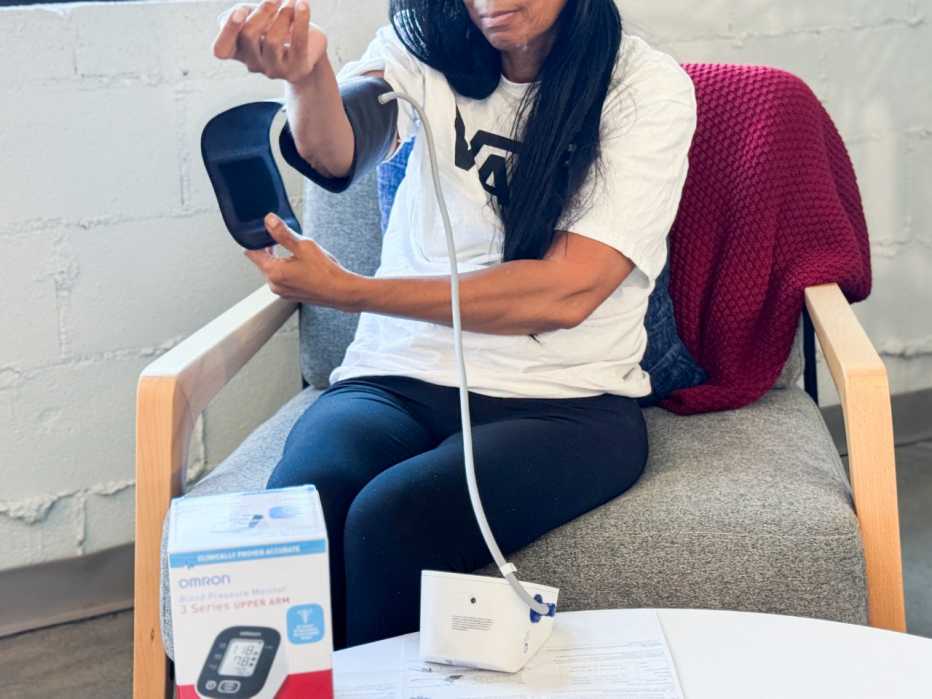
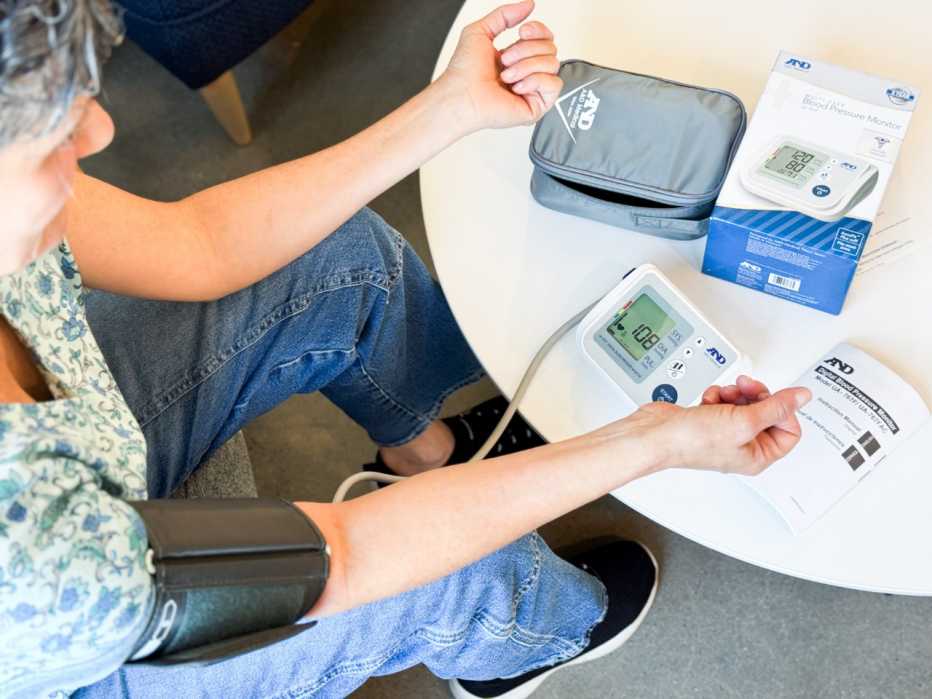
During the measurement, posture is everything. You must sit in a chair with your back supported and your feet flat on the floor. Avoid crossing your legs, as this can temporarily raise your pressure by several points. Your arm should be supported on a flat surface, such as a table, with the cuff at heart level. Finding the proper arm position for blood pressure measurement ensures that gravity does not skew the results. Additionally, make sure the cuff is the correct size; a cuff that is too small for your arm can provide an artificially high reading.
Consistency also matters when it comes to the best time of day for blood pressure readings. Medical experts recommend taking measurements twice daily: once in the morning before taking any medication or eating, and once in the evening before bed. In each session, take two or three readings about one minute apart. This helps account for why blood pressure readings fluctuate throughout the day. By recording these results in a log or an app, you provide your healthcare team with a clear picture of your progress. For those unsure about their equipment, the website validatebp.org lists devices that have been independently verified for clinical accuracy.
When to Call a Doctor About High Blood Pressure Readings
While daily fluctuations are normal, certain levels of blood pressure readings demand immediate attention. According to the World Health Organization, an estimated 1.28 billion adults worldwide have hypertension, yet approximately 46% of these individuals are unaware that they have the condition. This "silent killer" often shows no symptoms until it reaches a critical stage.
A blood pressure measurement exceeding 180/120 mmHg is classified as a hypertensive crisis. If you see this number on your monitor, wait five minutes and test again. If the second reading is still that high, you need medical intervention immediately. This is especially true if the high numbers are accompanied by physical symptoms.
Red Flag Warning: Immediate Action Required Seek emergency medical care if your blood pressure readings are 180/120 mmHg or higher and you experience:
- Severe headache or blurred vision
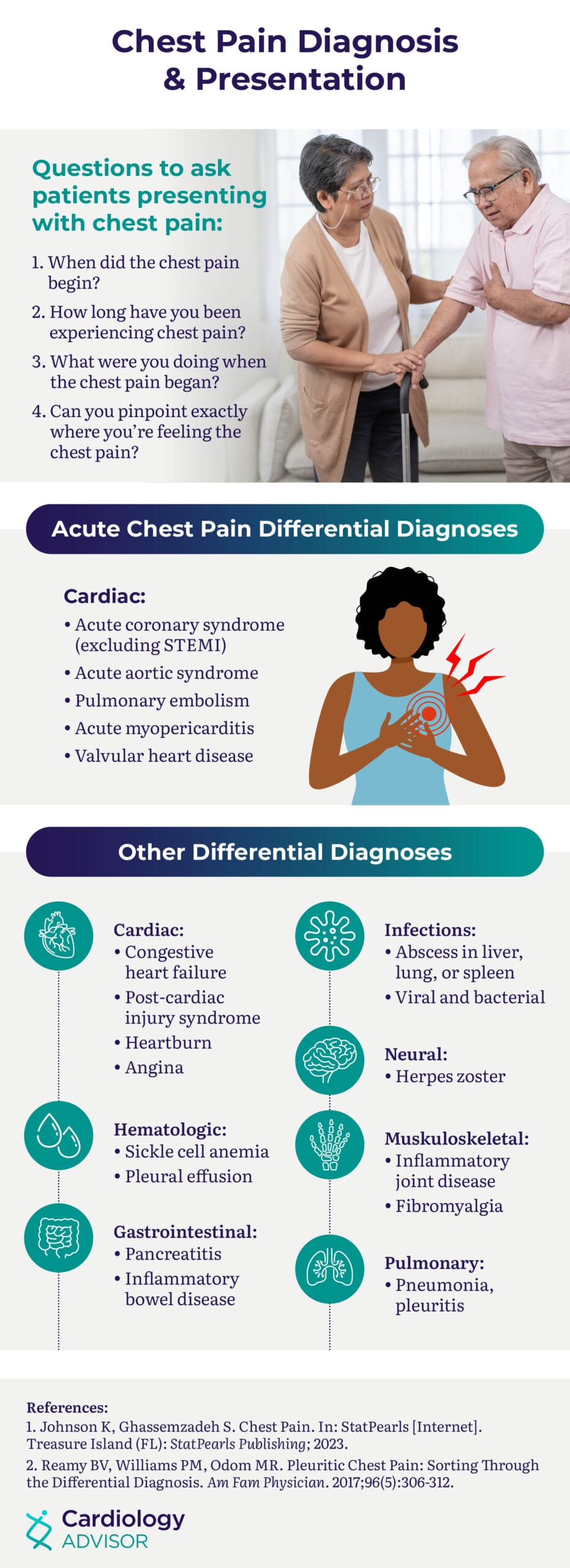
- Chest pain or shortness of breath
- Sudden weakness or difficulty speaking
- Numbness or tingling in the extremities
For many, knowing when to call a doctor about high blood pressure readings is about distinguishing between a one-time spike and a dangerous trend. If your numbers are consistently in the Stage 1 or Stage 2 range across several days, schedule a non-emergency appointment to discuss long-term management. Early intervention through lifestyle modifications or medication can significantly reduce your risk of stroke, heart attack, and kidney damage.
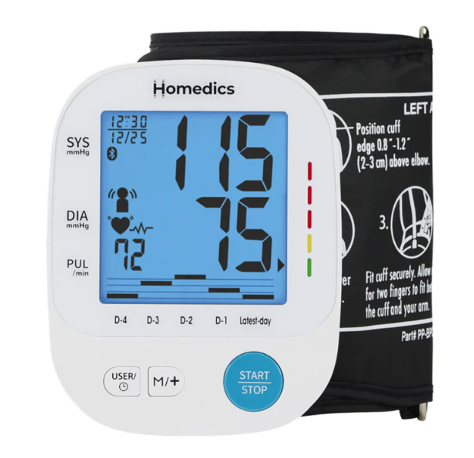
How you take accurate blood pressure readings at home can provide the evidence your doctor needs to adjust your treatment plan. Instead of reacting with panic to a single high number, look for patterns. Is your pressure only high in the morning? Does it drop after you exercise? This level of detail allows for a personalized approach to your cardiovascular health.
FAQ
What is considered a normal blood pressure reading?
A normal reading is generally defined as being below 120/80 mmHg. This indicates that the heart is pumping efficiently and the arteries are flexible and clear of significant obstruction. Maintaining this level is associated with the lowest risk of heart disease and stroke.
What do the top and bottom numbers in a blood pressure reading mean?
The top number is the systolic pressure, which measures the force of blood against your artery walls while the heart is actively beating. The bottom number is the diastolic pressure, which measures that same force while the heart is resting and refilling between beats.
Is 130/80 considered high blood pressure?
Yes, under current guidelines from the American Heart Association, a reading of 130/80 mmHg is classified as Hypertension Stage 1. While this may not immediately require medication, it is a clear signal that lifestyle changes are needed to prevent the condition from progressing.
How can I get the most accurate blood pressure reading at home?
To ensure accuracy, you should sit quietly for five minutes before measuring, keep your feet flat on the floor, and support your arm at heart level. It is also essential to use a validated digital monitor with a cuff that fits your arm size correctly and to avoid stimulants like caffeine or nicotine for at least 30 minutes prior.
Why does my blood pressure reading fluctuate throughout the day?
Blood pressure is dynamic and responds to your body's needs. It is typically lower while you sleep and rises upon waking. Stress, physical activity, meals, and even talking can cause temporary increases. This is why tracking trends over time is more important than any single individual measurement.
What is a dangerously high blood pressure reading?
Any reading that reaches 180/120 mmHg or higher is considered a hypertensive crisis. This is a medical emergency that requires immediate consultation with a healthcare professional, especially if it is accompanied by symptoms like chest pain, severe headache, or shortness of breath.