Quick Facts
- Primary Metric: HRV measures the millisecond-level timing of R-R intervals, providing a direct window into your nervous system balance.
- The Baseline Rule: Your individual trend is significantly more important than a single daily score or comparing yourself to others.
- Age Factor: HRV naturally declines over time, with healthy adults aged 20 to 25 averaging 55 to 105 milliseconds, while those in their 60s often see 25 to 45 milliseconds.
- Major Suppressors: Alcohol consumption, sleep deprivation, and overtraining are the most common factors that cause heart rate variability to plummet.
- Clinical Significance: Maintaining a healthy HRV is vital for longevity, as data like the ATRAMI trial shows patients with low HRV after a heart attack have a relative mortality risk of 3.2.
- Gender Trends: Broad data suggests men have an average HRV of approximately 65 milliseconds, while women average around 62 milliseconds, though these differences diminish with age.
Unlocking your wearable starts with understanding HRV data—the key to your autonomic nervous system. Unlike resting heart rate, which only counts the total beats per minute, heart rate variability measures the tiny fluctuations in time between consecutive heartbeats, known as R-R intervals. This data serves as a real-time marker of your physiological resilience, reflecting the delicate balance between your sympathetic fight-or-flight and parasympathetic rest-and-digest branches.
The Science: What Your Wearable is Actually Measuring
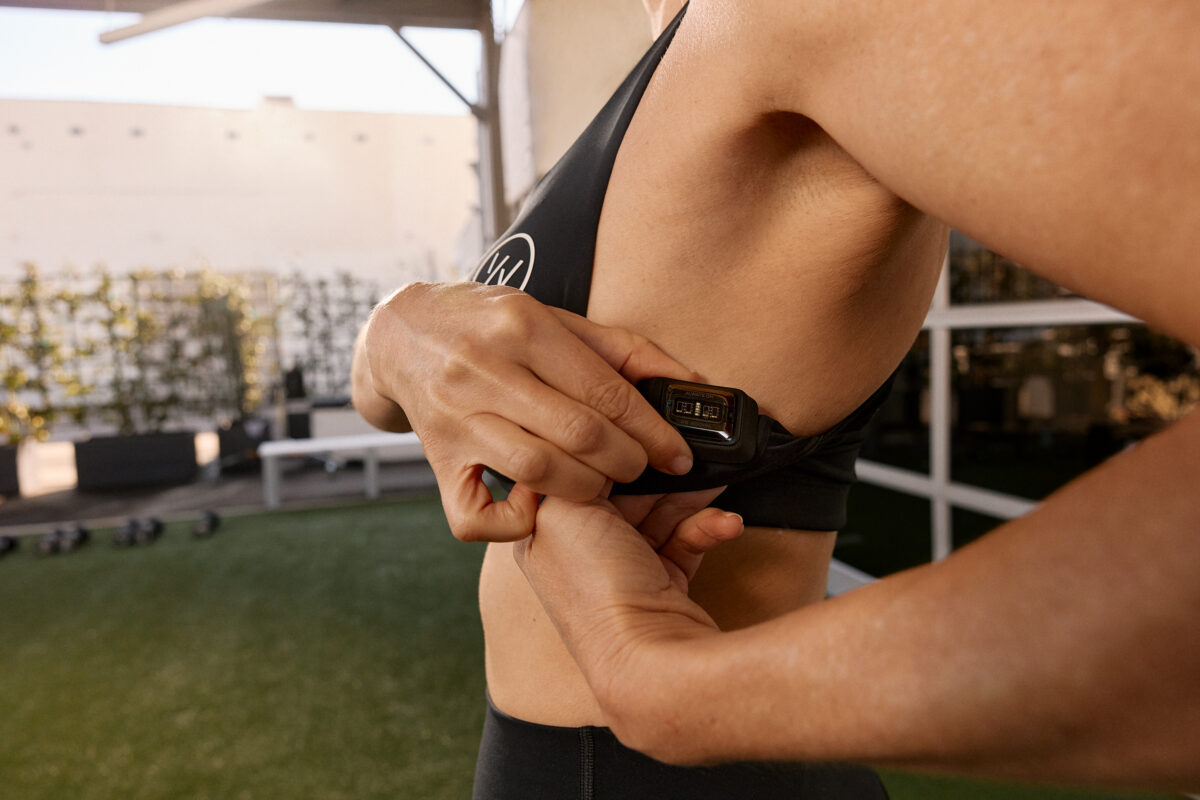
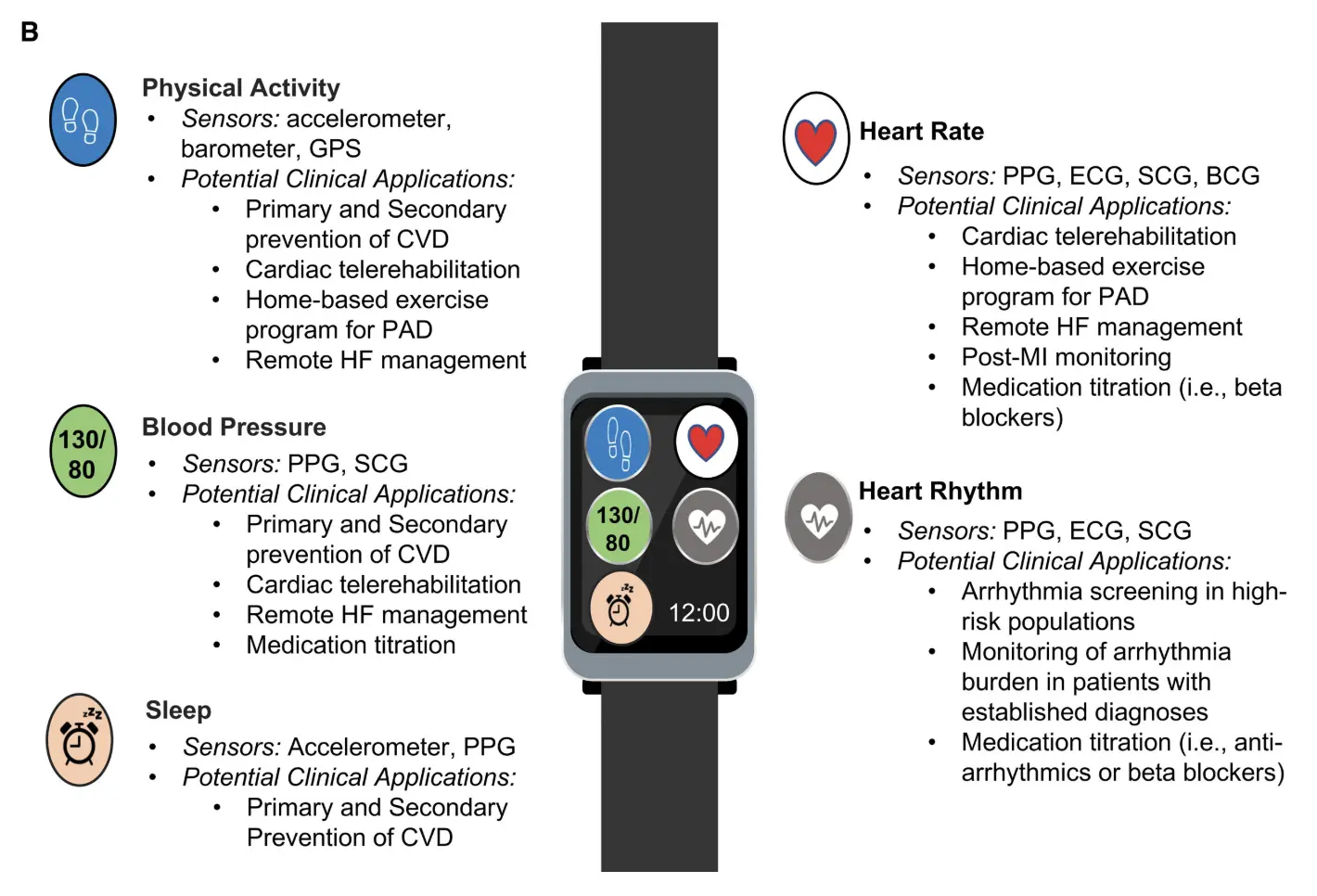
When you look at your smartwatch, it is likely using a technology called Photoplethysmography to track your heart. By shining a green light into your skin, the sensor detects blood volume changes with every pulse. While a medical ECG measures electrical signals directly from the heart, your wearable is calculating heart rate variability by looking at the timing between these pulses.
The most critical thing to understand about this metric is that a healthy heart does not beat like a metronome. There should be constant, microscopic variations in the timing of each beat. This variation is controlled by the autonomic nervous system. When your parasympathetic activation is high, your heart rate slows down and the time between beats becomes more varied. This is a sign of a recovered, flexible system. Conversely, a dominant sympathetic response—driven by stress or physical exertion—creates a more rhythmic, "locked-in" heart rate with less variability.
In the world of functional health, we specifically look for a metric called RMSSD (Root Mean Square of Successive Differences). This is the standard mathematical formula most wearables use to report your recovery. It specifically captures the activity of the vagus nerve, which is the primary driver of your parasympathetic rest-and-digest system.
| Feature | Wearable PPG | Medical ECG |
|---|---|---|
| Detection Method | Optical sensors (light) | Electrical electrodes |
| Primary Use | 24/7 lifestyle monitoring | Clinical diagnosis |
| HRV Accuracy | High during rest/sleep | Gold standard precision |
| Metric Focus | RMSSD & Trends | Complex wave analysis |
The Baseline Rule: Why You Can’t Compare Scores
One of the most frequent questions I receive is: why is my HRV baseline lower than others? It is a common source of anxiety for many wearable users, but the truth is that HRV is highly individual. Your personal baselines are determined by a complex mix of genetics, age, and long-term fitness levels.
As we age, our heart rate variability naturally trends downward. For example, average values for healthy adults aged 20 to 25 years range from 55 to 105 milliseconds, but by the time you reach 60 to 65 years, those averages typically sit between 25 and 45 milliseconds. Furthermore, while men average approximately 65 milliseconds and women average 62 milliseconds, these gender-based gaps usually disappear after age 50.
Because these factors influencing HRV personal baselines are so varied, comparing your score to a friend or an online chart is counterproductive. Your goal should be to monitor your own rolling average. Most wearables require about 14 to 30 days to establish your unique "normal" range. Once that range is set, you can begin interpreting heart rate variability trends with much greater accuracy.

Interpreting the Dips: Sudden Drops and Recovery
When you see a significant deviation from your personal average, your body is sending you a signal. Interpreting sudden drops in HRV data is one of the most powerful "early warning" systems we have for preventive health. A sharp decline of 20% or more from your baseline often occurs before you even feel physical symptoms of a cold or the flu.
These dips represent a lack of physiological resilience. When your system is preoccupied fighting an infection or processing toxins, it lacks the flexibility to maintain a high HRV. However, not every dip is a cause for alarm. It is essential to distinguish between daily noise—small fluctuations caused by a late meal or a stressful afternoon—and a true signal. A true signal is a downward trend that lasts for three days or more.
The Big Four Stressors
- Alcohol: Even a single drink can suppress your heart rate variability for 24 to 48 hours by stressing the liver and disrupting sleep architecture.
- Sleep Deprivation: Missing just 90 minutes of sleep can cause your sympathetic nervous system to remain on high alert the following day.
- Overtraining: If you are pushing high intensity every day without deload weeks, you risk overtraining syndrome, which manifests as a chronically low HRV.
- Psychological Stress: The brain cannot distinguish between a physical threat and a work deadline; both trigger the same sympathetic response that lowers your score.
Optimization: Improving Your Autonomic Nervous System Balance
The good news is that heart rate variability is not a static number. By focusing on specific lifestyle habits to improve heart rate variability, you can actually train your nervous system to become more resilient over time. This process is about improving autonomic nervous system balance so your body can transition quickly between "on" and "off" states.
The foundation of high HRV is consistency. Maintaining a regular circadian rhythm—going to bed and waking up at the same time—is the most effective way to stabilize your scores. When your body knows what to expect, it can optimize recovery during sleep. Hydration and a diet rich in anti-inflammatory polyphenols also support the cellular environment necessary for high vagal tone.

Beyond the basics, you can use active interventions to move the needle:
- Breathwork: Engaging in slow, controlled breathing—specifically at a rate of about 6 breaths per minute—triggers a phenomenon called respiratory sinus arrhythmia. This stimulates the vagus nerve and provides an immediate, albeit temporary, boost to HRV.
- Cold Exposure: Brief cold showers or ice baths can "shock" the system into a sympathetic spike followed by a deep parasympathetic rebound, effectively "exercising" your nervous system flexibility.
- Aerobic Conditioning: While high-intensity intervals are great, Zone 2 aerobic exercise (where you can still hold a conversation) is the primary driver of long-term increases in heart rate variability by strengthening the heart muscle and improving oxygen efficiency.
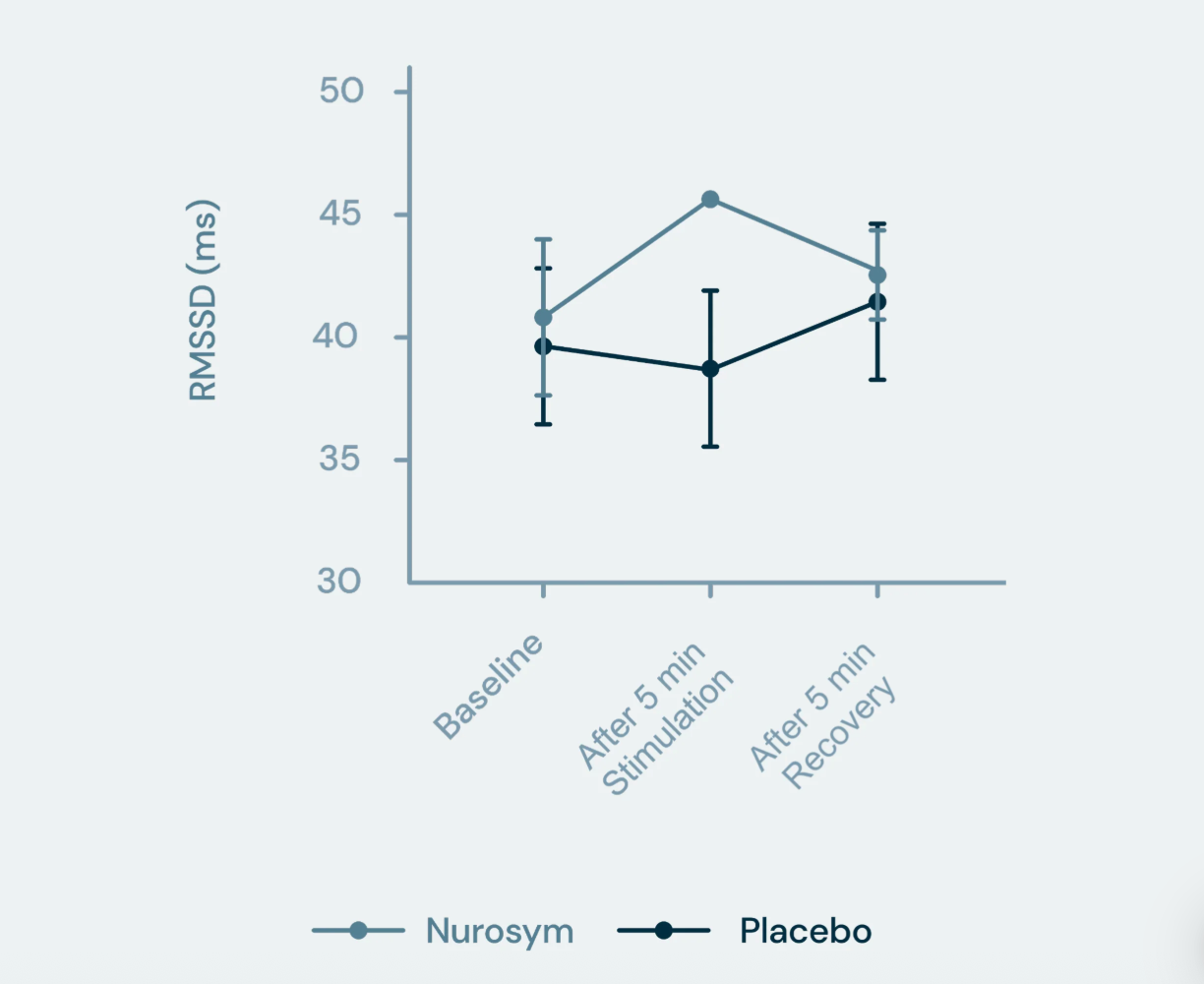
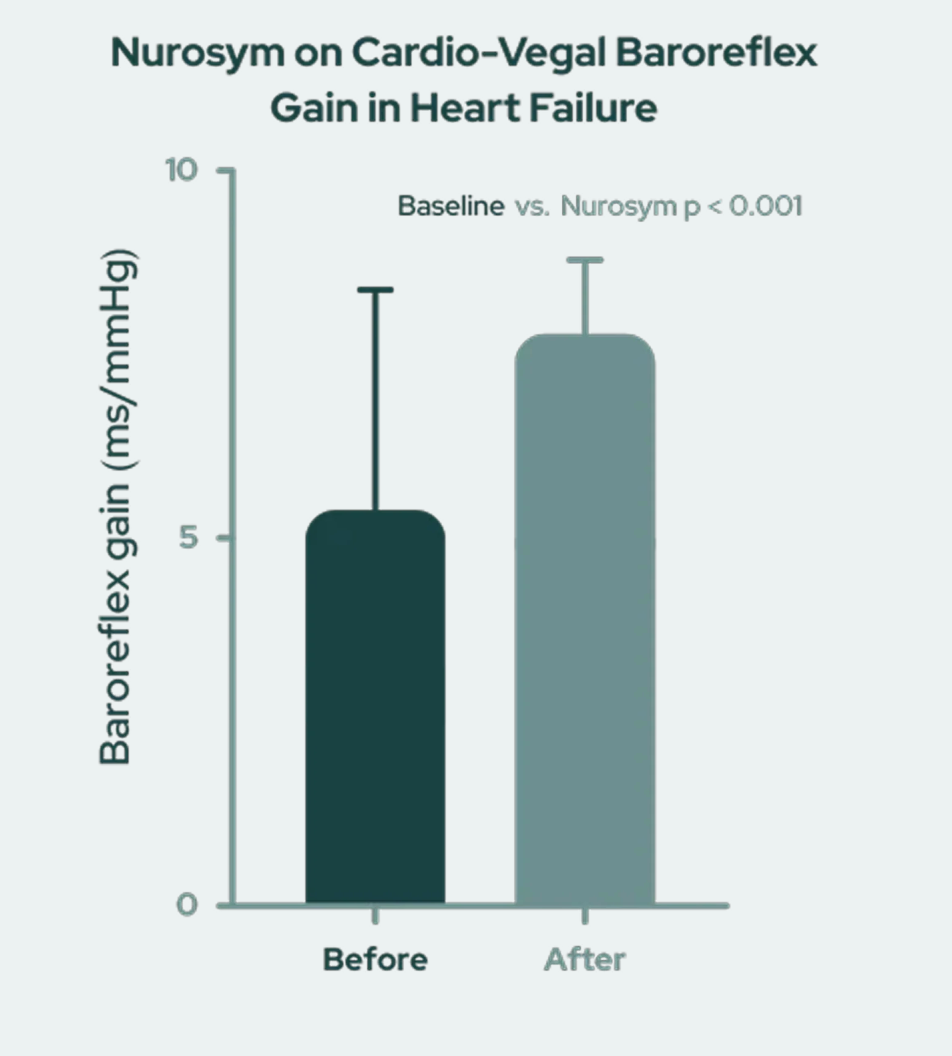
For those looking into advanced longevity protocols, neuromodulation techniques such as transcutaneous auricular vagus nerve stimulation (taVNS) are gaining traction. These devices use small electrical pulses to target the vagus nerve branch in the ear, essentially "manual-starting" the parasympathetic system. This can be particularly useful for individuals dealing with chronic stress who find it difficult to improve their readiness scores through lifestyle alone.
FAQ
What is a normal heart rate variability for my age?
Heart rate variability is highly dependent on your stage of life. Generally, younger people have higher scores, with adults in their 20s averaging 55 to 105 milliseconds. By age 60, those averages typically drop to 25 to 45 milliseconds. However, these are broad averages; your individual baseline is what matters most for your health tracking.
Is a higher or lower HRV score better?
In almost all cases, a higher heart rate variability score is better. It indicates that your autonomic nervous system is balanced and that your body is capable of responding to stressors effectively. A very low score usually suggests that your sympathetic nervous system is dominating, leaving you in a state of constant "fight or flight" which hinders recovery.
What does a low heart rate variability reading indicate?
A low reading suggests that your body is under significant stress. This could be due to physical factors like an intense workout, an upcoming illness, or poor sleep. It can also be caused by emotional or mental stress. If you see a sudden drop in HRV data, it is a sign that you should prioritize rest and recovery rather than pushing yourself further.
How can I improve my HRV data over time?
Long-term improvement comes from consistent lifestyle habits. Focus on maintaining a regular sleep schedule, staying hydrated, and avoiding alcohol. Incorporating daily breathwork and regular Zone 2 aerobic exercise will also help strengthen your vagal tone and improve your heart rate variability trends over several months.
Does caffeine or alcohol affect HRV readings?
Yes, both can have a significant impact. Alcohol is a major parasympathetic suppressor and is one of the most reliable ways to cause a crash in your heart rate variability. Caffeine is a stimulant that activates the sympathetic response; while its effects are usually shorter-lived than alcohol, consuming it late in the day can disrupt sleep and lower your overnight HRV readings.