Quick Facts
- Survival Threshold: Walking at least 4,000 steps reduces all-cause mortality.
- Heart Minimum: As few as 2,337 steps a day is enough to start reducing the risk of cardiovascular death.
- Incremental Gains: Every extra 1,000 steps daily is associated with a 15% reduction in the risk of dying from any cause.
- Efficiency Peak: The most significant health gains often occur between 7,000 and 10,000 steps, where CVD risk drops by roughly 25%.
- Sedentary Offset: Regular movement helps maintain arterial health even for those who spend over 10 hours a day sitting.
- Weekend Warrior Protection: Reaching a 4,000-step target just once or twice a week can still provide meaningful cardiovascular benefits.
Walking for heart health begins to show significant results at just 4,000 steps, providing a foundational defense against cardiovascular disease even for those with a sedentary lifestyle. Increasing your daily step count to at least this level provides a significant foundation for cardiovascular protection, reducing the risk of heart disease and all-cause mortality while serving as an accessible entry point for long-term longevity.
The 4,000-Step Milestone: Why it Matters
For decades, the figure of 10,000 steps has been held up as the gold standard for fitness. However, that number was originally a marketing tool from the 1960s rather than a biological necessity. Modern science has peeled back the layers to find the minimum daily steps to lower heart disease risk, and the results are encouragingly attainable. We now know that the body begins to reap major rewards long before you hit five digits on your fitness tracker.
A comprehensive meta-analysis of 17 studies involving more than 226,000 people, published in the European Journal of Preventive Cardiology, has redefined our understanding of movement. The research found that walking at least 3,967 steps a day begins to reduce the risk of dying from any cause. Even more striking is that just 2,337 steps a day is enough to start reducing the risk of death specifically from cardiovascular disease.
The importance of the daily step count for heart health lies in its scalability. For every additional 1,000 steps taken daily, the risk of dying from any cause decreases by 15%. Even a small increase of 500 steps per day is associated with a 7% reduction in death from cardiovascular causes. By establishing daily walking habits to increase longevity and heart strength, you are essentially investing in a compounding health account.
This shift from a high-barrier goal to a minimum effective dose makes preventive medicine more accessible. It tells us that we do not need to be marathon runners to protect our arterial health. Instead, focusing on consistent, low impact cardiovascular exercise provides a reliable path to reducing metabolic syndrome and enhancing the body’s natural resilience.

Counteracting the Chair: Walking for the Desk Worker
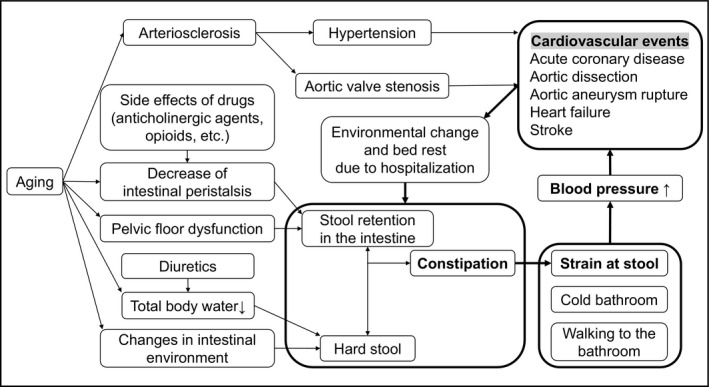
The modern work environment is a primary driver of the sedentary lifestyle that plagues global health. Many professionals spend upwards of 10 to 12 hours a day sitting, which can lead to stiffening of the arteries and reduced circulation improvement. This lack of movement is a major contributor to elevated stroke risk and poor heart rate variability.
However, walking for heart health after sitting all day acts as a powerful corrective. When we walk, our muscles contract and help pump blood back to the heart, preventing the pooling of blood in the lower extremities. This simple act of walking for heart health helps maintain the elasticity of the blood vessels, which is critical for long-term cardiovascular health.
The Desk Worker's Strategy
If you spend your day at a computer, your heart health relies on breaking up long periods of inactivity. Clinical evidence suggests that even if you sit for most of the day, incorporating a 10-minute walk every few hours can significantly improve your cardiovascular profile. These short, consistent intervals help manage blood pressure and keep metabolic markers in check, effectively "canceling out" some of the negative effects of prolonged sitting.
By focusing on walking for heart health after sitting all day, we can mitigate the risks of weight gain and high cholesterol. Walking stimulates the production of enzymes that help move bad cholesterol out of the blood. Even without a high-intensity workout, the cumulative benefits of 4000 steps a day provide enough stimulus to keep the cardiovascular system functioning efficiently.
Optimization: The Inflection Points (7,000 to 10,000 Steps)
While 4,000 steps is the threshold for survival, there is a "sweet spot" where we see the most significant gains in aerobic capacity and heart protection. This is often referred to as the inflection point. For many, this range sits between 7,000 and 10,000 steps. Beyond this point, the benefits continue to accrue, but the rate of improvement begins to level off, suggesting a point of diminishing returns for those purely focused on longevity.
When comparing the heart health benefits of walking vs jogging, walking is often more sustainable for the average person while still offering comparable protection against stroke and heart attack. Jogging increases the heart rate faster, but walking for longer durations allows for consistent improvement in arterial health without the high impact on joints.
Age-Specific Step Targets
Physical activity guidelines should be tailored to where you are in life. Younger adults generally require a higher volume of movement to see the same relative cardiovascular improvements as older adults.
- Under age 60: Aim for 7,000 to 13,000 steps per day. This higher volume helps build a robust aerobic capacity and protects against the early onset of metabolic syndrome.
- Over age 60: Aim for 6,000 to 10,000 steps per day. At this age, the relative benefits of 4000 steps a day are even more pronounced, as maintaining mobility and circulation improvement is key to preventing major cardiac events.
| Step Threshold | Health Category | Primary Cardiovascular Outcome |
|---|---|---|
| 2,337 Steps | Baseline Protection | Minimum level to reduce cardiovascular death risk |
| 3,967 Steps | Survival Milestone | Significant reduction in all-cause mortality risk |
| 7,000 Steps | Optimization Zone | 25% lower risk of CVD; significant arterial health gains |
| 10,000 Steps | Maximum Benefit | Peak improvement in aerobic capacity and longevity |
How to Start: Building a 4,000-Step Routine
Starting a new habit can feel daunting, but the beauty of the 4,000-step secret is its flexibility. You don't need a gym membership or specialized gear; you simply need a plan to integrate movement into your existing schedule. Knowing how to start a 4000 steps a day walking routine involves identifying "hidden" opportunities for movement.
Research involving over 13,000 older women found that achieving a target of at least 4,000 steps on just one or two days per week was associated with a 27% lower risk of cardiovascular disease compared to those who did not reach that threshold at all. This "Weekend Warrior" model is perfect for those with demanding work weeks.
To maximize the benefits of 4000 steps a day, consider the following strategies:
- Continuous Bouts: While all steps count, walking in uninterrupted bouts of 10 to 15 minutes may provide greater cardiovascular benefits than short, scattered bursts. This sustained effort helps raise the heart rate to a level that encourages circulation improvement.
- The Commuter's Addition: If you use public transit, get off one stop early. If you drive, park at the back of the lot. These small adjustments can easily add 1,000 steps to your day without requiring extra "gym time."
- Walking Meetings: If you have a phone call or a one-on-one meeting that doesn't require a screen, take it while walking. This is an excellent way to practice walking for heart health after sitting all day.
- Post-Meal Strolls: A 15-minute walk after dinner helps regulate blood sugar levels and aids digestion, contributing to better long-term heart strength.
By focusing on these low impact cardiovascular exercise sessions, you build a foundation of consistency. It is the daily repetition, rather than the occasional high-intensity workout, that truly moves the needle on heart health.
FAQ
How much walking do I need to do for heart health?
Significant heart health benefits begin at approximately 2,337 steps per day for reducing cardiovascular death risk, while 3,967 steps per day is the threshold for reducing all-cause mortality. For optimal protection, many experts recommend aiming for a range of 7,000 to 10,000 steps, but even smaller amounts are beneficial compared to a sedentary lifestyle.
Can walking lower my blood pressure?
Yes, regular walking helps lower blood pressure by reducing vessel stiffness and allowing blood to flow more easily. Engaging in continuous bouts of walking for 10 to 15 minutes is particularly effective at improving circulation and strengthening the heart muscle over time.
Does walking reduce the risk of heart disease?
Walking is one of the most effective ways to reduce the risk of heart disease. It helps manage weight, lower bad cholesterol (LDL), and improve insulin sensitivity. Studies show that even walking just one or two days a week at the 4,000-step level can reduce cardiovascular disease risk by as much as 27% in certain populations.
How many steps a day are needed to improve heart health?
While the risk of death begins to decrease at about 2,337 to 4,000 steps, heart health continues to improve with more movement. Every additional 1,000 steps you take daily provides a 15% further reduction in all-cause mortality risk, with the most substantial gains seen up to the 10,000-step mark.
What are the cardiovascular benefits of walking daily?
Daily walking improves arterial health, increases heart rate variability, and enhances aerobic capacity. It also serves as a critical defense against the health risks of a sedentary lifestyle, such as stroke risk and metabolic syndrome, by promoting better circulation and maintaining a healthy heart rhythm.