Quick Facts
- Coverage Status: Wegovy is now covered under Medicare Part D specifically for cardiovascular risk reduction.
- Core Requirement: Beneficiaries must have established heart disease and a BMI of 27 or higher.
- Financial Protection: The Inflation Reduction Act introduces a $2,000 annual out-of-pocket cap for 2025 and 2026.
- Key Medication: The active ingredient is semaglutide, approved for reducing major adverse cardiovascular events.
- Eligibility Scope: An estimated 3.6 million beneficiaries currently qualify under the new heart health guidelines.
- Administrative Hurdle: Success depends on a rigorous prior authorization process and clear documentation of medical necessity.
Wegovy Medicare coverage has significantly expanded following new FDA approvals for cardiovascular health. While Medicare is legally barred from covering weight-loss drugs alone, Part D plans now provide coverage for patients with heart disease. This guide breaks down the 2026 eligibility requirements, monthly costs, and the steps you need to take with your doctor to secure approval.
The Cardiovascular Loophole: Why Medicare Now Covers Wegovy
For over two decades, a legal barrier stood between Medicare beneficiaries and weight-management medications. The Medicare Modernization Act of 2003 explicitly prohibited Medicare Part D plans from covering drugs used for weight loss. For years, this meant that even as the medical community began to view obesity as a chronic disease, the primary federal health program for seniors could not pay for the leading treatments.
The landscape shifted dramatically in March 2024. Following the results of the landmark SELECT clinical trial, the FDA expanded the approved use of Wegovy. The trial demonstrated that this specific formulation of semaglutide could do more than manage weight; it fundamentally changed heart health outcomes. Following this expansion, the Centers for Medicare & Medicaid Services issued guidance allowing Medicare Part D plans to cover the drug specifically for its cardiovascular benefits.
This is not a repeal of the weight-loss ban. Instead, it is a clinical pivot. Medicare still does not cover drugs for "cosmetic" weight loss or obesity treatment in isolation. However, if a patient has a documented history of heart disease, Wegovy is no longer classified solely as a weight-loss drug. It is now categorized as a treatment for reducing the risk of a life-threatening Myocardial infarction or Stroke.

Eligibility Checklist: Do You Qualify?
Securing Wegovy Medicare coverage is not as simple as having a high BMI. Because the coverage is tied to cardiovascular health, the eligibility criteria are quite specific. According to an analysis by the Kaiser Family Foundation, 3.6 million Medicare beneficiaries with obesity and established cardiovascular disease may be eligible for Wegovy coverage under the new policy.
To determine if you fall into this group, you must meet the following criteria:
- Documented Cardiovascular Disease: You must have a medical history that includes conditions such as a previous heart attack, a prior Stroke, or peripheral arterial disease (PAD).
- Body Mass Index (BMI): You must have a BMI of 30 or higher (obesity), or a BMI of 27 or higher (overweight) accompanied by at least one weight-related comorbidity.
- Medicare Part D Enrollment: You must be enrolled in a stand-alone Prescription Drug Plan (PDP) or a Medicare Advantage plan (MA-PD) that has added Wegovy to its formulary.
- Medical Necessity: A healthcare provider must attest that the medication is being prescribed specifically to reduce the risk of major adverse cardiovascular events, not just for chronic weight management.
The clinical evidence backing this coverage is substantial. The SELECT clinical trial of more than 17,000 adults demonstrated that Wegovy reduced the risk of major adverse cardiovascular events, such as heart attack and stroke, by 20% compared to a placebo. For many seniors, this 20% reduction represents a significant improvement in long-term survival and quality of life.

The Cost Timeline: Out-of-Pocket Expenses (2024-2027)
Understanding the financial side of Wegovy Medicare coverage requires looking at the broader changes implemented by the Inflation Reduction Act. Traditionally, Wegovy is classified as a specialty tier drug, which carries the highest cost-sharing requirements.
Currently, the list price for a one-month supply of Wegovy is approximately $1,349. Without the new protections, a senior might face a coinsurance of 25% to 33%, leading to out-of-pocket costs of over $400 per month. However, the timeline for costs is shifting in favor of the consumer.
Comparison of Out-of-Pocket Costs
| Feature | 2024 Policy | 2025/2026 Policy | 2027 and Beyond |
|---|---|---|---|
| Annual Out-of-Pocket Cap | No hard cap ($8,000+ effectively) | $2,000 maximum cap | $2,000 cap + Negotiated Prices |
| Wegovy Tier | Specialty Tier (25-33% coinsurance) | Specialty Tier (Capped) | Negotiated CMS Price ($274 target) |
| Coverage Gap (Donut Hole) | Exists | Eliminated | Eliminated |
| Negotiated Price | N/A | N/A | $274 per month (estimated) |
For many, the impact of 2025 Medicare Part D cap on Wegovy annual costs is the most significant change. Once a beneficiary spends $2,000 on their prescriptions in a calendar year, the plan must cover 100% of the remaining costs. Given the high price of specialty medications like semaglutide, most patients will hit this cap within the first few months of the year, effectively making the medication free for the remainder of the year.
Furthermore, state-level pilot programs in 2026 are exploring $50 copays for certain high-cost drugs, and by 2027, the Centers for Medicare & Medicaid Services has successfully negotiated a lower price for semaglutide products, which should further stabilize the system.
Navigating the Prior Authorization Process
Even if you meet the clinical criteria, your Wegovy Medicare coverage is not automatic. Almost every Medicare Part D plan requires a prior authorization process for specialty tier drugs. This is an administrative step where your insurance company reviews your medical records to ensure the drug is truly a medical necessity.
Here is the step-by-step process you should follow with your healthcare provider:
- Verify the Formulary: Use the Medicare Plan Finder or contact your Pharmacy Benefit Managers to see if Wegovy is listed. If it is not, you may need to discuss therapeutic alternatives or request a formulary exception.
- Clinical Documentation: Your doctor must provide records showing your BMI and a clear history of cardiovascular events. They will likely use specific ICD-10 clinical codes to denote heart disease.
- Submit the Request: Your provider's office submits the prior authorization form to the insurance carrier. This form explains why Wegovy is required to reduce heart attack or stroke risk in your specific case.
- Monitor the Timeline: Most plans make a decision within 72 hours for standard requests or 24 hours for expedited requests.
- Prepare for Denial: If the claim is denied, do not panic. Denials often happen because of missing documentation. You have the right to appeal the decision or request a formal review.
Ensuring your doctor emphasizes stroke risk reduction and the prevention of Myocardial infarction in the documentation is crucial. If the paperwork focuses too heavily on "weight loss," the insurance carrier may deny the claim based on the old 2003 statutory ban.
Alternatives and Formulary Exceptions
What happens if your specific Medicare Part D plan does not cover Wegovy? You have a few paths forward. First, you can work with your doctor to request a Medicare formulary exception for Wegovy. This is a formal request arguing that the drugs currently on the plan's list are not as effective for your specific condition or would cause adverse side effects.
Second, consider the "sister drugs." Semaglutide is the active ingredient in both Wegovy and Ozempic. While Ozempic is FDA-approved for Type 2 diabetes, it has been covered by Medicare for years for that specific use. If you have both heart disease and diabetes, Ozempic might already be on your plan's formulary.
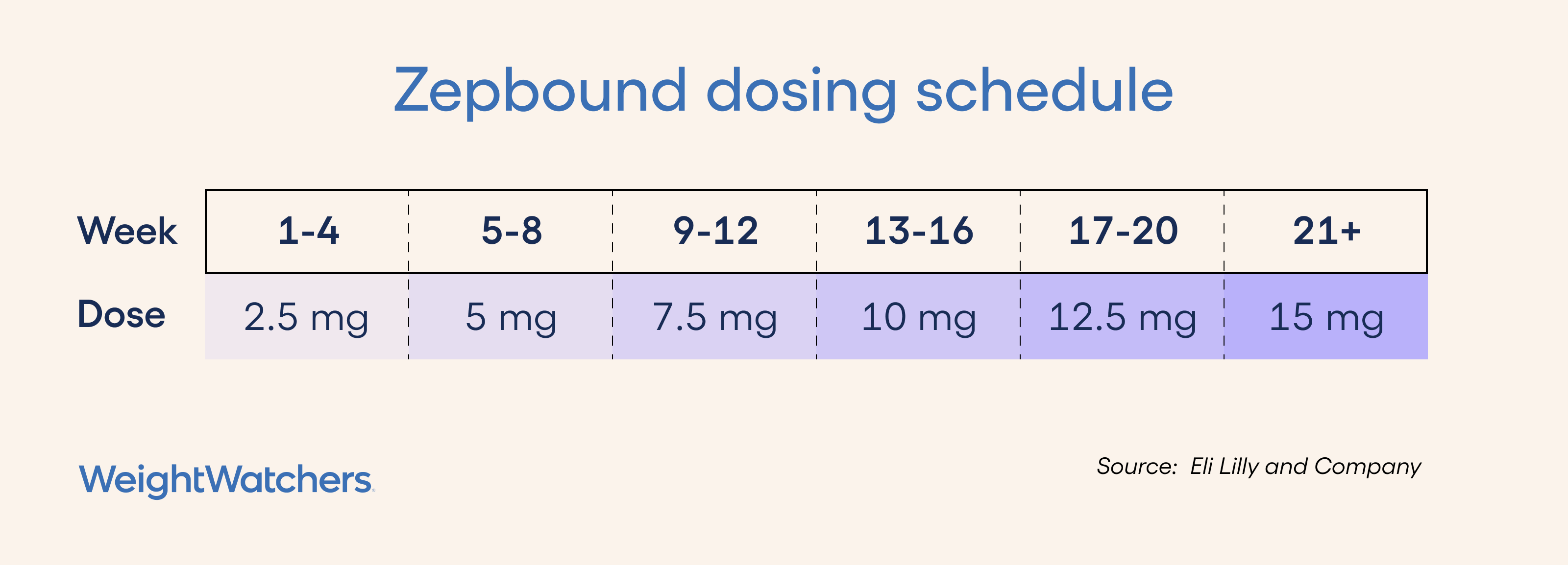
Other alternatives like Zepbound (tirzepatide) are currently in the same position Wegovy was a year ago. As more clinical trials prove the cardiovascular or sleep apnea benefits of these drugs, Medicare coverage for them is expected to follow a similar expansion path. Always check with your provider to see which therapeutic alternatives provide the best balance of clinical benefit and insurance coverage.
FAQ
Will Medicare pay for Wegovy to reduce heart disease risk?
Yes, following the FDA's expansion of the drug's label and subsequent guidance from CMS in early 2024, Medicare Part D plans are permitted to cover Wegovy when it is prescribed specifically to reduce the risk of major adverse cardiovascular events in patients with established heart disease and a high BMI.
How much does Wegovy cost with Medicare Part D?
The cost varies by plan, but as a specialty tier drug, it often requires 25% to 33% coinsurance. However, the Inflation Reduction Act has introduced a significant safety net: starting in 2025, total out-of-pocket costs for all covered prescriptions under Medicare Part D are capped at $2,000 per year.
Does Medicare cover Wegovy for weight loss?
No, Medicare is still legally prohibited by the Medicare Modernization Act of 2003 from covering medications used solely for weight loss or obesity treatment. Coverage is only available when the medication is used for a "medically accepted indication" that is not weight loss, such as reducing the risk of heart attack or stroke.
What are the Medicare eligibility requirements for Wegovy?
To be eligible, a beneficiary must be enrolled in a Medicare Part D plan that includes Wegovy on its formulary. Clinically, the patient must have established cardiovascular disease (such as a previous heart attack or stroke) and a BMI of 30 or higher, or 27 or higher with other weight-related health issues.
How can I get my Medicare plan to pay for Wegovy?
You must work closely with your healthcare provider to complete the prior authorization process. Your doctor will need to document your history of heart disease and your BMI to prove medical necessity for cardiovascular risk reduction. If your plan denies the request, you can appeal or request a formulary exception.
Conclusion & Next Steps
The expansion of Wegovy Medicare coverage marks a pivotal moment in senior healthcare, bridging the gap between weight management and heart disease prevention. While the legal restrictions on weight-loss drugs remain, the recognition of semaglutide as a life-saving cardiovascular intervention opens doors for millions.
As you look toward the 2026 plan year, take these proactive steps:
- Calculate your BMI: Ensure you meet the threshold of 27 or 30.
- Review your medical history: Gather documentation of any past heart attacks, strokes, or arterial issues.
- Audit your Part D plan: During the next Open Enrollment period, compare formularies to find a plan that offers the most favorable terms for specialty medications.
- Consult your specialist: Schedule a dedicated visit to discuss how Wegovy fits into your long-term heart health strategy.
Navigating the intersection of new medical breakthroughs and federal insurance policy can be complex, but with the $2,000 out-of-pocket cap on the horizon, the financial barriers to these life-changing treatments are finally beginning to fall.