Quick Facts
- Top OTC Choice: Dexcom Stelo (15-day wear, no prescription required)
- Best for Coaching: Abbott Lingo (14-day wear, focus on habit building)
- Most Accuracy: Dexcom G7 (8.2% MARD score)
- Longest Duration: Eversense 365 (1-year implantable sensor)
- Market Growth: Non-diabetics now represent over 40% of the OTC CGM market
- Core Conclusion: Continuous glucose monitors have evolved into essential metabolic health tracking tools for high-performance individuals, offering real-time biofeedback that transforms how we manage energy and long-term health.
In 2026, continuous glucose monitors have become the 'must-have' wearable because they offer a real-time window into your metabolic health. Unlike traditional trackers, these sensors measure interstitial fluid to reveal how diet, stress, and sleep impact your blood sugar, allowing for personalized preventive healthcare without a prescription.
The Metabolic Health Revolution: Why Everyone Wants a CGM in 2026
For the better part of a decade, we’ve been obsessed with tracking our output—steps taken, calories burned, and minutes of REM sleep achieved. But as a longevity editor, I’ve always argued that we were missing the most critical piece of the puzzle: our internal chemistry. In 2026, that gap has finally been bridged. The surge in continuous glucose monitors is not just a trend; it is the cornerstone of a shift toward true metabolic health tracking.
The shift began in earnest in 2024, when the U.S. Food and Drug Administration cleared the first over-the-counter continuous glucose monitoring systems, including Dexcom’s Stelo and Abbott’s Lingo. This regulatory milestone allowed consumers to purchase these sensors without a doctor’s note, democratizing access to the same technology once reserved strictly for medical necessity. By 2025, the global continuous glucose monitoring device market reached an estimated valuation of 12.4 billion USD, signaling that the biohacking community and general wellness enthusiasts had fully embraced these devices.
Why the sudden obsession? Because metabolic flexibility is the holy grail of high performance. It is the ability of your body to switch efficiently between burning carbs and burning fat. By monitoring glycemic variability—the ups and downs of your blood sugar throughout the day—you can identify exactly which habits are wrecking your focus or stalling your weight loss. In fact, non-diabetic users seeking lifestyle optimization accounted for approximately 41.46% of the U.S. over-the-counter continuous glucose monitor market revenue back in 2024, a number that has only climbed as the wellness tech ecosystem matured.
The Best CGMs for Non-Diabetics: 2026 Selection Guide
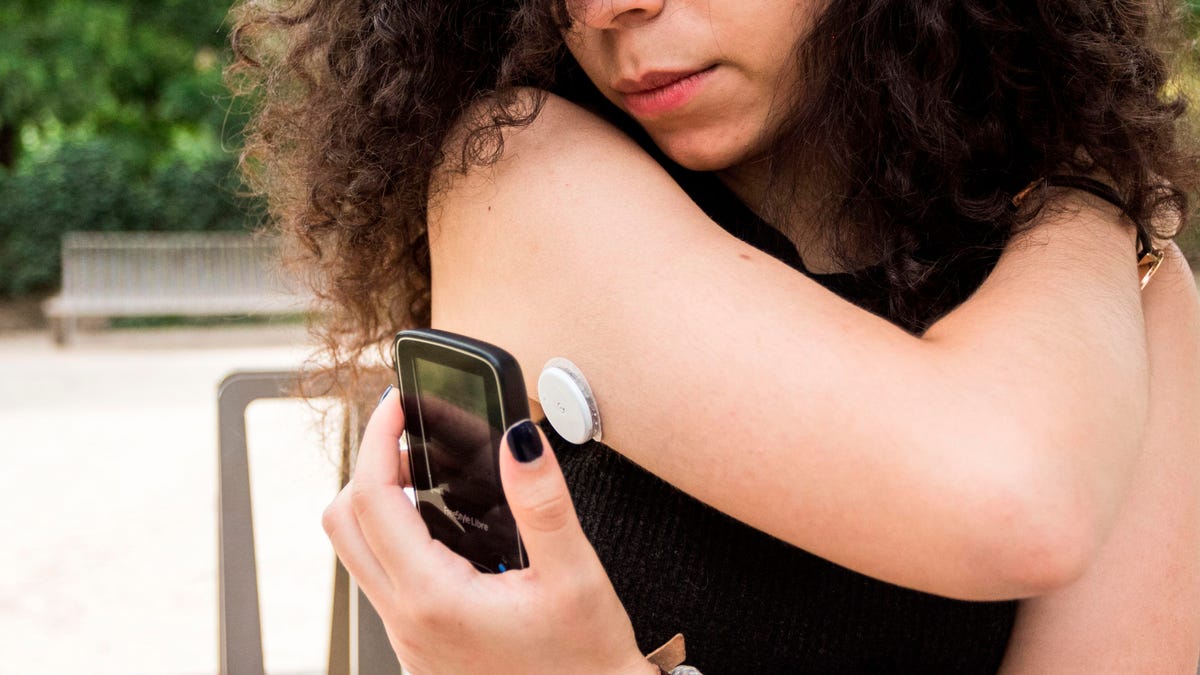
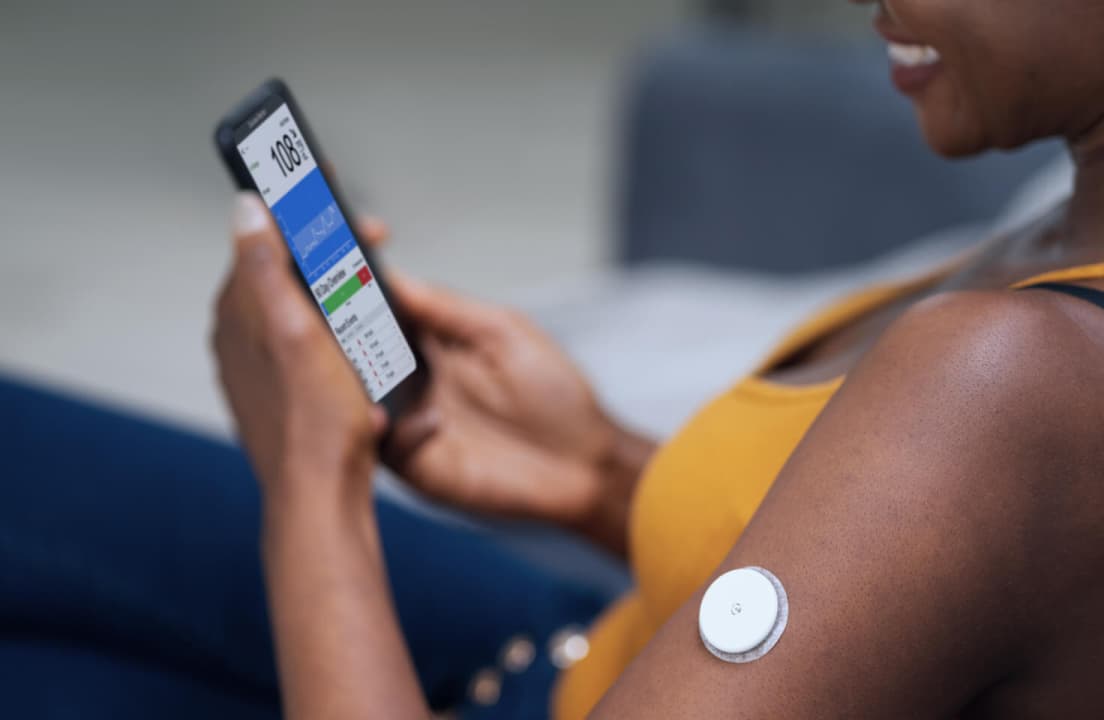
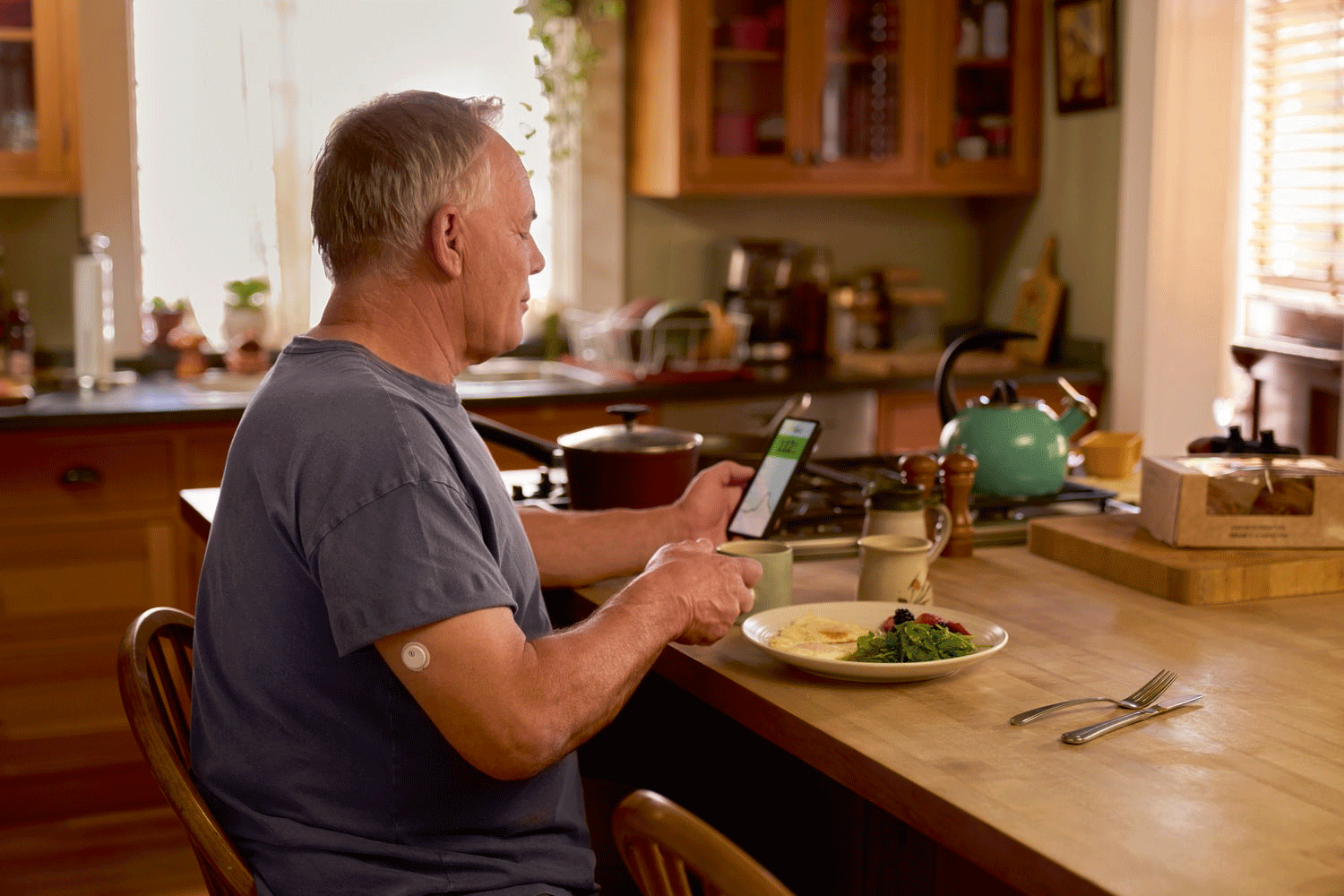
When you enter the market for a CGM device selection guide in 2026, you’re no longer looking at clunky medical equipment. You are looking at sleek, low-profile biosensors designed to integrate with your smartphone. When looking for the best continuous glucose monitors for non diabetics 2026, the decision often comes down to your personal goals: are you a data-hungry analyst or someone who needs a digital coach?
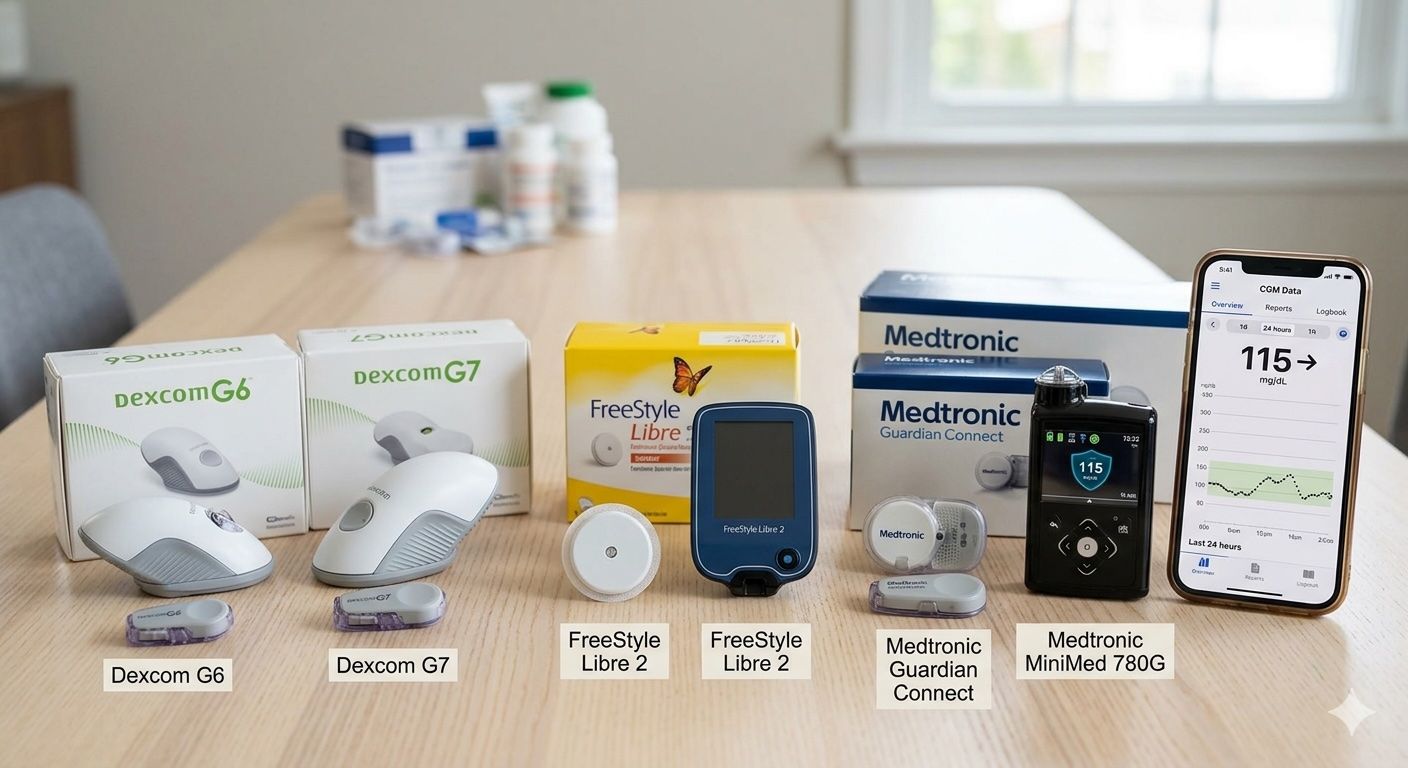
The Dexcom Stelo has carved out a massive niche by offering a 15-day wear time. It is particularly noted for allowing users to establish a clear baseline and identify meaningful trends without the friction of a prescription. For those who prioritize technical authority, the Dexcom G7 remains a gold standard with a MARD accuracy score of approximately 8.2%. In the world of glucose sensing, Mean Absolute Relative Difference (MARD) is the metric that matters; the lower the percentage, the closer the sensor is to a lab-grade blood test.
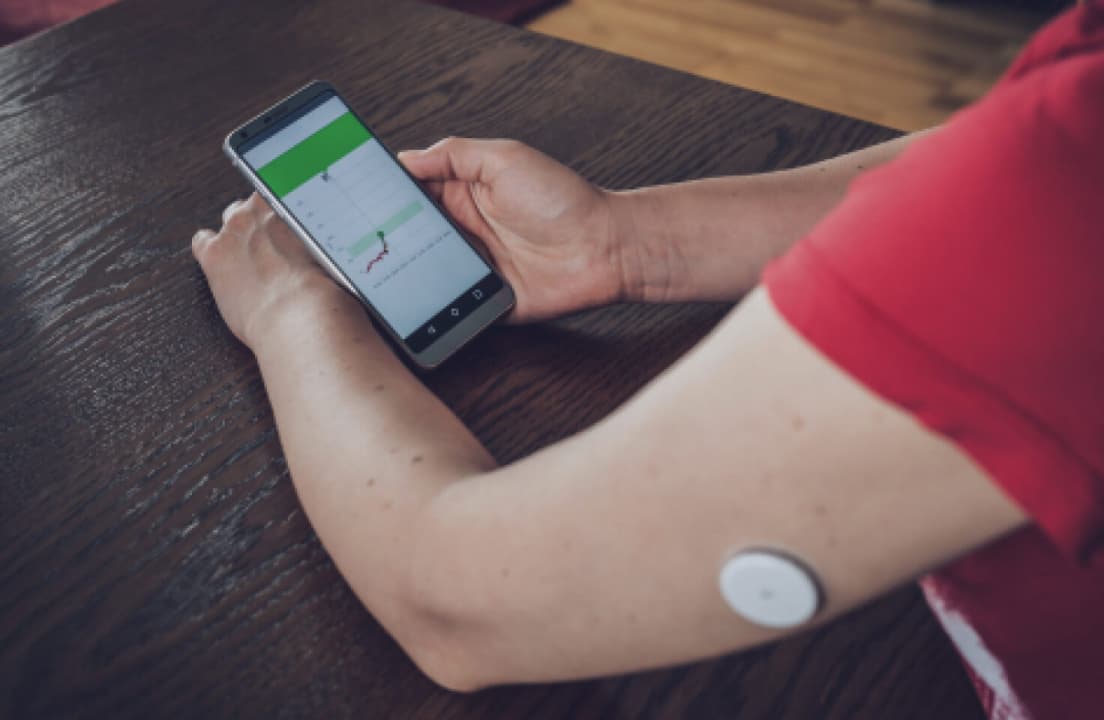
On the other side of the aisle, Abbott Lingo focuses on the user experience and habit building. While it shares much of the hardware lineage with the FreeStyle Libre series, the software is tailored for the "worried well" rather than patients. If you are comparing Dexcom Stelo vs Abbott Lingo comparison, Stelo is often favored for its longer wear time, while Lingo wins on its intuitive coaching interface that gamifies metabolic health.
For those who want to "set it and forget it," the Eversense 365 offers a year-long implantable option. While it requires a brief clinical procedure, it removes the need for bi-weekly sensor changes, making it the ultimate tool for long-term preventive healthcare.
2026 OTC CGM Comparison Table
| Feature | Dexcom Stelo | Abbott Lingo | FreeStyle Libre 3 Plus |
|---|---|---|---|
| Wear Time | 15 Days | 14 Days | 15 Days |
| Prescription | Not Required | Not Required | Required (in most regions) |
| Best For | Establishing a baseline | Habit and lifestyle coaching | High-precision medical use |
| Accuracy (MARD) | High | High | Very High |
| Cost | ~$99 per month | Competitive | Varies by insurance |
Biohacking Your Body: Using Glucose Data for Fitness and Weight Loss
The real magic happens when you start interpreting CGM data for weight management and performance. Using a continuous glucose monitor for athletes performance guide reveals that even "healthy" foods can cause massive postprandial spikes—sudden surges in blood sugar after eating. For one person, oatmeal might be a stable fuel; for another, it might cause a spike followed by a "crash" that leads to brain fog and cravings.
By leveraging real-time biofeedback, you can develop personalized nutrition strategies. For instance, you might discover that a 15-minute walk after a high-carb meal significantly blunts your glucose response. This is a primary example of using glucose-lowering strategies to improve insulin sensitivity. Over time, reducing the frequency and intensity of these spikes helps your body maintain metabolic flexibility, making it easier to burn stored body fat.
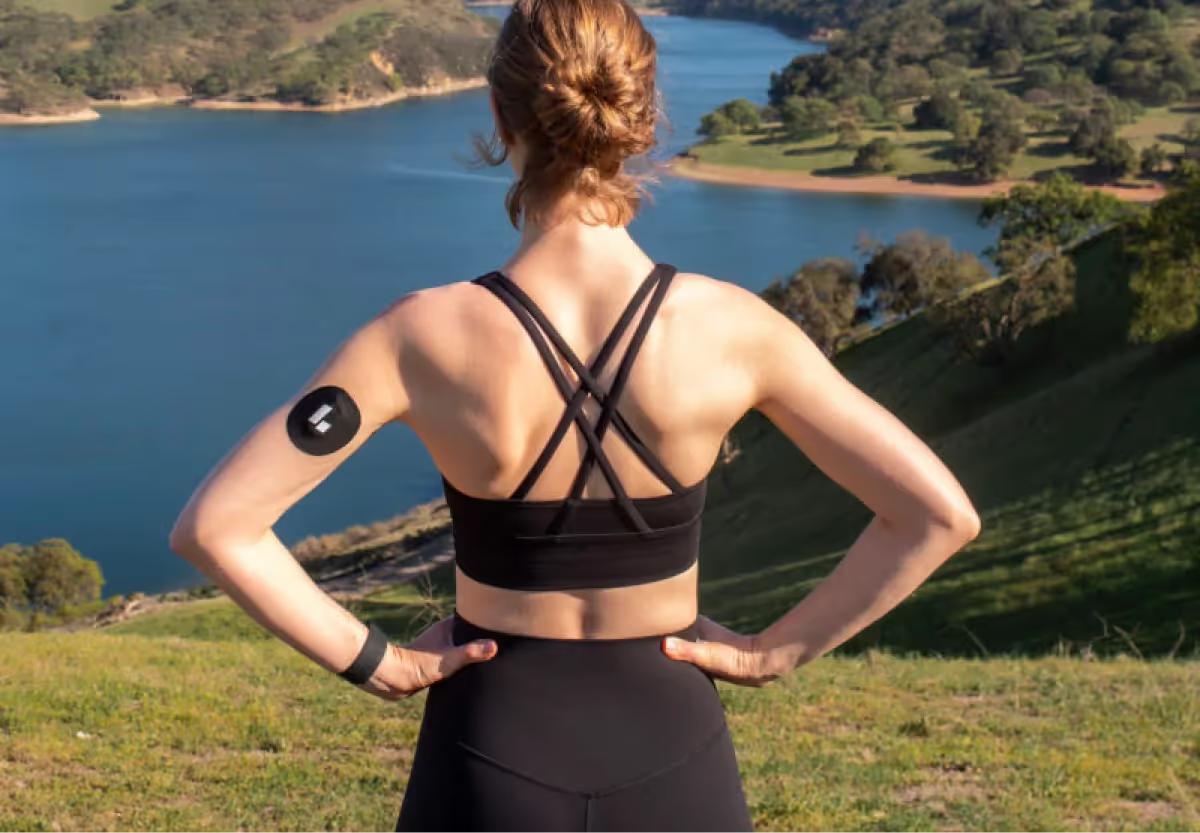
If you are wondering how to use CGM for metabolic health tracking for fitness, look at your "time in range." In 2026, athletes use these monitors to time their pre-workout nutrition perfectly. By ensuring glucose levels are stable and elevated just enough for the session, you avoid the premature fatigue associated with hypoglycemia.

Addressing the Common Hurdles: Cost, Comfort, and Accuracy
Despite the benefits, there are still hurdles to consider when navigating an over the counter glucose monitor cost comparison. For non-diabetics, insurance rarely covers the cost, meaning users are often looking at a monthly subscription fee ranging from $89 to $150. However, many find that a "one month on, two months off" approach is sufficient to reset habits and check in on their metabolic health.
Regarding comfort, modern sensors are incredibly discreet. Most are waterproof, allowing for swimming and showering without issue. The sensor doesn't measure blood directly; it samples interstitial fluid—the fluid surrounding your cells—which provides a reliable proxy for blood glucose with a slight time lag (usually 5 to 15 minutes).
Myth: A CGM is basically a permanent needle in my arm. Fact: The "needle" is only used for a fraction of a second during insertion. The part that stays in your body is a flexible, hair-thin filament that you won't even feel during daily activities.
How to Start: Your Baseline Week
- Apply the Sensor: Choose a day when your schedule is "normal."
- Change Nothing: Eat, sleep, and exercise as you usually do for 7 days.
- Log Your Meals: Use the app to note what you ate and when.
- Identify the Spikes: Look for readings that go above 140 mg/dL after meals.
- Experiment: In week two, try "glucose-blunting" hacks like eating fiber before carbs.
FAQ
How does a continuous glucose monitor work?
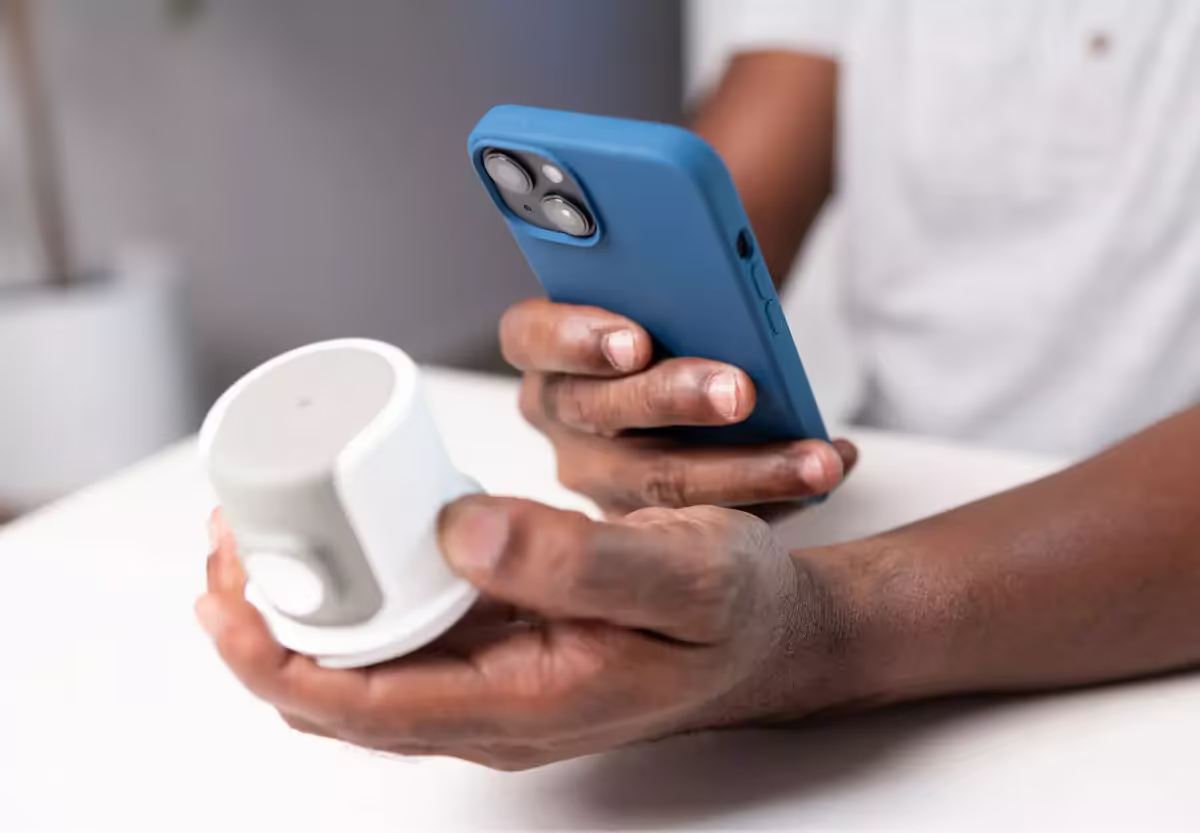
These devices use a tiny sensor filament inserted under the skin to measure glucose levels in the interstitial fluid. A transmitter then sends this data wirelessly to a smartphone or dedicated receiver, providing a constant stream of information rather than a single point-in-time measurement like a finger-prick test.
Can you use a CGM if you do not have diabetes?
Yes, in 2026, many continuous glucose monitors are specifically designed for non-diabetics. These over-the-counter options are used for metabolic health tracking, athletic performance optimization, and personalized nutrition insights to help prevent the onset of chronic conditions.
Are continuous glucose monitors waterproof for swimming and showering?
Most modern sensors, including the Dexcom Stelo and Abbott Lingo, are designed with high water-resistance ratings. This allows users to continue their normal exercise routines, including swimming and daily showering, though it is often recommended to avoid deep-sea diving or prolonged hot tub sessions.
What are the main benefits of using a CGM over traditional testing?
Traditional finger-prick tests only provide a snapshot of your blood sugar at one moment. A continuous glucose monitor provides a movie instead of a photo, showing the direction and speed of glucose changes. This allows users to see the direct impact of specific foods, stress levels, and sleep quality in real-time.
Does insurance usually cover the cost of a continuous glucose monitor?
For individuals without a diagnosis of diabetes, insurance coverage is still quite rare in 2026. Most wellness users pay out-of-pocket for over-the-counter sensors. However, as the evidence for these devices in preventive healthcare grows, some forward-thinking corporate wellness programs have begun offering subsidies for their employees.